



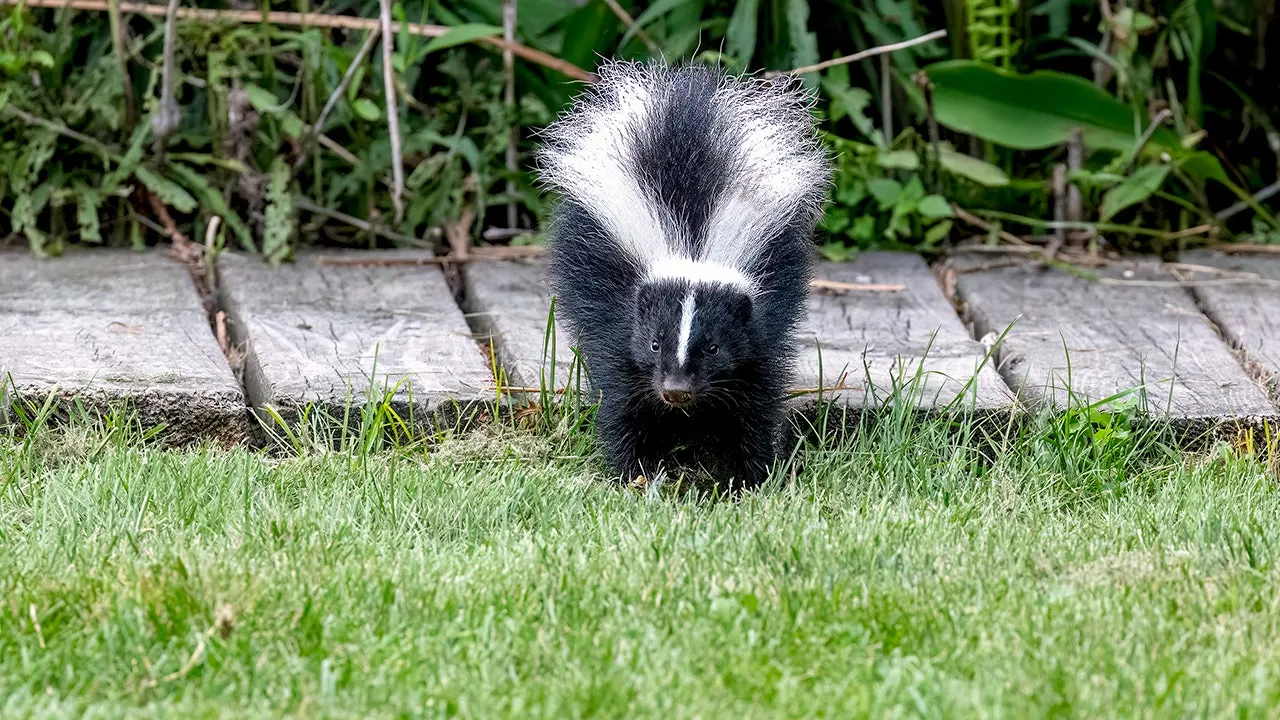
There is a quiet, distinct panic that sets in for any homeowner when the unmistakable, pungent aroma of a skunk wafts through an open window in the middle of the night. It is a biological warning siren that triggers an immediate, desperate search for solutions, particularly in suburban neighborhoods where humans and wildlife constantly jostle for space. In our modern digital age, we rarely consult traditional textbooks for answers; instead, we turn to the boundless, often chaotic world of social media, neighborhood forums, and DIY lifestyle blogs. It is here, amid the endless sea of everyday life hacks, that a particularly colorful and aromatic rumor has taken deep root: the magical power of Irish Spring bar soap. Countless well-meaning online guides and community threads swear that the distinct, crisp scent of this classic bathroom staple is the ultimate, non-toxic kryptonite for skunks. The recommended methodology is deceptively simple and appealingly cheap: frustrated homeowners are instructed to buy multi-packs of the green bar soap, grate it into fine shavings, or chop it into generous chunks, and then stuff these fragrant pieces into mesh bags or old pantyhose. Hung from porch railings or scattered around flower beds, these soapy sachets are supposed to create an invisible, aromatic force field that repels the sensitive-nosed critters, saving your pet dogs from get-sprayed disasters and keeping your backyard smelling like a fresh meadow.
However, before you rush out to the supermarket to clear the personal-care aisle, professional wildlife experts are urging a healthy dose of reality and skepticism. The truth behind this viral internet shortcut is far less fragrant than the folklore suggests. According to Ned Bruha, a highly seasoned wildlife specialist and the president of Florida-based firm The Wildlife Whisperer, these aromatic deterrents are nothing more than a modern iteration of classic snake oil. Having spent over twenty-seven years in the trenches of humane animal exclusion, Bruha points out a simple, undeniable truth: if cheap, everyday household items like Irish Spring soap, peppermint oil, essential oils, or toxic mothballs actually worked to keep pests away, professional animal control operators would have happily integrated them into their businesses decades ago. Instead, experts must rely on labor-intensive, physical exclusion methods because wild animals are incredibly resilient, adaptable, and far less concerned with intense cosmetic scents than humans are. To a creature driven by the raw, primal instincts of hunger, survival, and the hunt for shelter, a strong soapy smell is merely a minor curiosity or a passing chemical nuisance, not an impassable barrier. Homeowners who report success with soap are usually experiencing a classic placebo effect, attributing a skunk’s natural departure to the soap when, in reality, the animal simply moved on to a different foraging spot on its own.
To truly understand why a bar of soap fails to intimidate a skunk, one must appreciate the sheer tenacity and evolutionary design of these fascinating North American mammals. Skunks are not casual, easily discouraged trespassers who will turn back at the first sign of an unfamiliar smell; they are determined, heavy-duty excavators equipped with powerful claws and stout legs designed specifically for digging. As the seasons shift and temperatures fluctuate, skunks actively seek out warm, secure, and sheltered spots to establish their birthing dens and sleep during the day. They naturally look for existing structural voids, focusing their relentless digging efforts on the cozy cavities beneath wooden decks, concrete sidewalks, backyard sheds, and air conditioning pads. These human-made structures are absolute goldmines for wildlife, offering perfect insulation from the cold wind and robust protection from larger predators like coyotes. When a pregnant or shelter-seeking skunk sets its sights on a potential home, no amount of grated deodorant soap or hanging mesh bags will stand in its way. Bruha warns that skunks are incredibly persistent, and if a homeowner leaves even a tiny one-inch gap under a structure, a skunk will stubbornly and voraciously dig right past any fragrant obstacles, bypassing superficial DIY alterations to establish a cozy home directly beneath your living room.
Furthermore, focusing on quick-fix myths like soap often distracts well-meaning homeowners from the practical, permanent prevention measures that actually yield long-term results. The golden rule of effective wildlife management is physical exclusion and thorough habitat modification, which requires a bit of sweat equity rather than a trip to the soap aisle. This involves securing trash cans with locking lids, cleaning up fallen fruit from orchard trees, removing outdoor pet food bowls before dusk, and sealing off structural vulnerabilities with heavy-gauge galvanized steel mesh buried deep into the ground in an L-shaped barrier. Many people erroneously believe that if they just trap and relocate the offending skunk, their backyard worries will be solved forever, but Bruha cautions that this creates a highly volatile and temporary dynamic. He colorfully compares the endless loop of trapping and relocating “auto-replenishing” wild animals to using an ashtray on a motorcycle—a fundamentally useless endeavor because urban wild spaces are interconnected ecosystems, meaning another wandering skunk will quickly move in to claim the newly vacant territory. Even worse, trapping during the spring and early summer brings a grim set of ethical dilemmas; this is the time of year when young skunk kits are born. These tiny babies do not easily wander into traditional wire traps, and if a mother skunk is trapped and carted away, the orphaned kits are left behind to face a slow, tragic fate under the house, which can lead to a heartbreaking situation where the remaining kits resort to cannibalism just to survive.
Despite these sobering warnings from seasoned professionals, it is easy to understand why we, as a culture, are so deeply drawn to the myth of the soapy safeguard and the comforting promise of a clean, fragrant remedy. Irish Spring soap holds a special, nostalgic place in the American consumer consciousness, first splashing onto the market over fifty years ago in the 1970s. Manufactured by the Colgate-Palmolive Company, the brand quickly became an iconic symbol of rugged, invigorating cleanliness, eventually expanding its lineup from classic green bar soaps into refreshing liquid body washes. For generations of consumers, that incredibly fresh, unmistakable scent has been synonymous with purification, hygiene, and the instant banishment of dirt and foul odors. When faced with the wild, untamed, and highly offensive stench of a skunk, it feels entirely intuitive to fight fire with fire—or rather, to fight musk with marketing. Our desire to use Irish Spring as a pest repellent reflects a deeply human urge to find simple, inexpensive, and non-toxic solutions to complex, messy problems. We desperately want to believe that we can protect our manicured lawns and cozy homes with a familiar item from our bathroom cabinet, bypassing the hard, dusty work of digging trenches, installing heavy wire mesh, or paying for professional structural repairs.
Ultimately, achieving a peaceful, stink-free coexistence with the wildlife in our neighborhoods requires us to abandon the comforting shortcuts of online folklore and embrace a more grounded, realistic approach to homeownership. Skunks are not malicious pests trying to ruin our properties; they are actually highly beneficial members of our local ecosystems, quietly doing their part by consuming troublesome insects, destructive grubs, wasps, and small rodents. However, they belong in the wilder, wooded fringes of our communities, not taking up residence beneath our back porches. By moving past the popular myths of Irish Spring soap, essential oils, and mothballs, homeowners can redirect their time, energy, and resources into structural upgrades that genuinely stand the test of time. Keeping our domestic boundaries intact requires routine vigilance, securing food attractants, and a healthy respect for the resilience of the creatures sharing our landscapes. Rather than trying to perfume the great outdoors or waging an endless, tragic war of trapping and relocation, the most humane and effective path forward is to build smart, physical boundaries. In doing so, we protect our homes, show compassion to the wild animals just trying to survive in a rapidly developing world, and ensure that our encounters with nature remain peaceful, harmonious, and blessedly free of unexpected, foul-smelling surprises.