



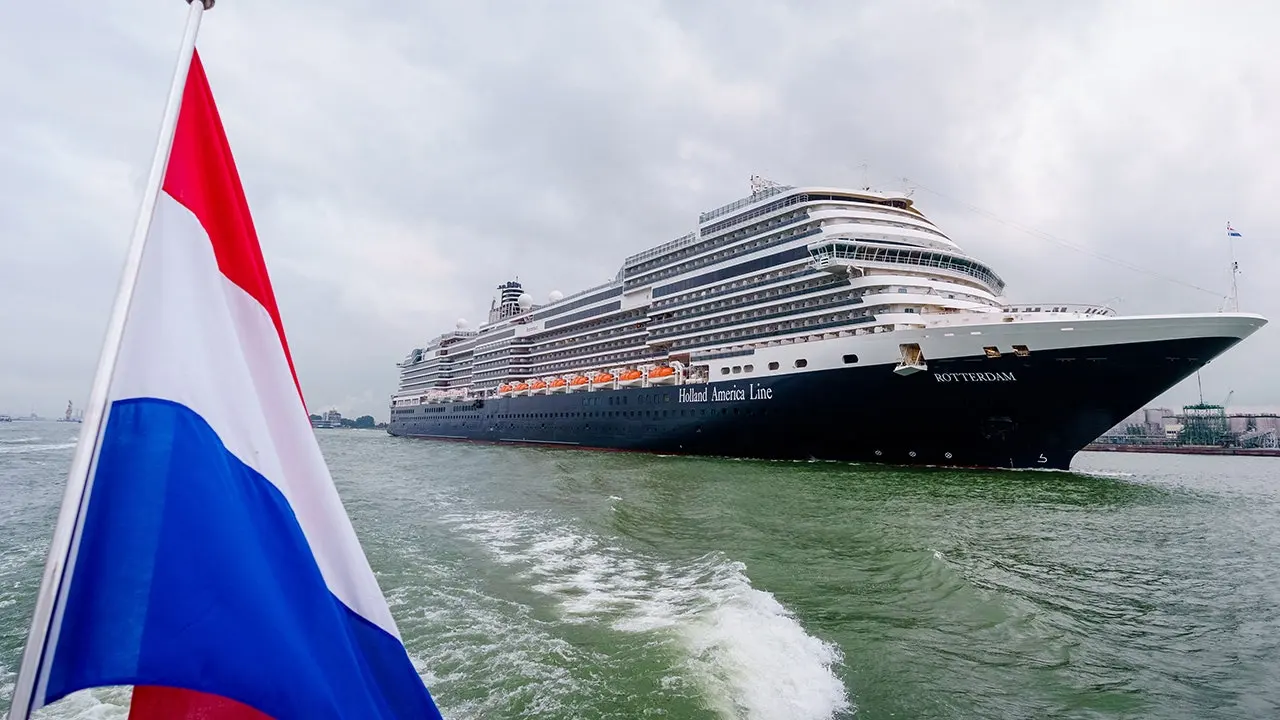
Cruising has long represented the ultimate, worry-free escape—a floating paradise where travelers can leave the stresses of everyday suburban life behind at the gangway and surrender completely to the gentle rhythm of the ocean waves. However, a growing wave of frustration is currently sweeping through the passenger cabins of major cruise lines as travelers confront the steady, quiet rise of automatic service charges. These mandatory daily gratuities, designed to ensure that the hardworking international crew members who cook, clean, and navigate are fairly compensated, have climbed to historic heights in recent months. For many budget-conscious families, these incremental cost increases feel less like a voluntary way to express gratitude and more like a hidden tax, resulting in widespread tipping fatigue that dampens the joy of holiday planning and budgeting. This economic tension is arriving at the exact same moment that cruise lines are putting the brakes on some of their most cherished, grassroots passenger traditions. For years, cruising fostered a unique sense of community through lighthearted games like “cruise ducks,” where passengers hid tiny rubber ducks in clever spots around the ship for others to find, or decorated their stateroom doors with elaborate, highly personalized magnet arrangements. Yet, as social media has amplified these innocent customs, some passengers have pushed the fun to disruptive extremes—damaging ship property, blocking vital emergency corridors, and turning friendly games into competitive chaos. Faced with safety hazards, aesthetic complaints, and property damage, cruise brands have been forced to implement strict boundaries and bans, leaving loyal cruisers to lament the loss of an era where travel was defined by spontaneous, unregulated whimsy. This shifting dynamic raises a deeper, more pressing question about modern tourism: as we monetize and regulate every single aspect of the vacation experience, do we risk squeezing out the very joy, simplicity, and human connection that drew us to travel in the first place?
While travelers on luxury cruise liners debate the shifting economics of their ocean voyages, our global waters are sending far noisier, more visceral signals about the delicate and often strained relationship between humanity and the marine ecosystem. Along the sun-drenched, highly coveted coastlines of South Florida, disappointed beachgoers are confronting a massive, record-breaking bloom of sargassum seaweed that has washed ashore in titanic, choking blankets. What was once a minor, seasonal phenomenon of floating brown algae has mutated into a sprawling ecological and economic crisis, coating pristine white sands with thick, rotting vegetation that stretches as far as the eye can see. As this colossal mass of organic matter decomposes under the relentless tropical sun, it releases a potent, sulfurous odor reminiscent of rotten eggs, instantly ruining family beach outings, posing respiratory challenges, and threatening local tourism economies that rely heavily on picture-perfect shorelines. Yet, this foul-smelling coastal invasion is merely one chapter in our oceans’ larger, more dramatic narrative of struggle and survival. Far from the troubled Florida beaches, a breathtaking rescue operation recently captured the hearts of onlookers worldwide when a magnificent humpback whale became hopelessly entangled in heavy, synthetic shark-control safety nets. For nearly four agonizing hours, a dedicated team of marine conservationists, first responders, and local authorities battled rolling waves, chilly temperatures, and the sheer, unpredictable panic of the multi-ton giant, carefully slicing away the constricting mesh that threatened to slowly drown the majestic creature. When the whale finally broke free with a mighty sweep of its tail and disappeared into the deep blue ocean, it represented a profound triumph of human empathy, grit, and environmental responsibility, proving that our wild oceans are not merely scenic backdrops for our leisure, but living, breathing, and struggling sanctuaries that demand our protectiveness. This remarkable save serves as a beautiful testament to what is possible when humanity acts as a guardian, rather than a consumer, of nature.
The boundary between human civilization and the raw wilderness has always been thin, but several recent events highlight just how fragile, unpredictable, and potentially life-threatening that interface can be. Deep within the rugged backcountry of North America’s legendary wilderness trails, a hiker’s quiet afternoon trek transformed into a terrifying struggle for survival when a massive grizzly bear suddenly emerged from the dense brush, attacking him with savage speed and dragging him dozens of feet down a dirt path. The hiker’s miraculous survival, which culminated in a dramatic, high-stakes helicopter airlift through treacherous mountain wind currents, stands as a humbling testament to human endurance, the rapid, heroic coordination of emergency search-and-rescue teams, and the raw, untamed power of apex predators who tolerate no trespassers in their territory. Conversely, our encounters with the wild are not always confined to remote mountain peaks or vast national parks; sometimes, they slither directly into our highly manicured, suburban safe havens. In a suburban neighborhood, a local police officer’s bodycam recently captured a moment of unexpected bravery and professional composure as he safely and humanely removed a giant wild snake from a terrified resident’s yard, transforming what could have been a scene of absolute neighborhood panic into a quiet masterclass in calm wildlife management. These contrasting interactions—one a brutal, blood-pumping struggle for life in the deep woods, the other a peaceful, highly controlled resolution in a quiet family cul-de-sac—reveal a fundamental, often overlooked truth about our modern place on this planet: whether we are conquering steep mountain passes or simply walking down our paved residential streets, we are constant guests in a wild world that demands our constant vigilance, deep environmental respect, and humbleness. We often forget that the concrete we pour and the fences we build are merely temporary revisions on an ancient landscape that has its own rules. When we step outside our doors, we enter a shared habitat, reminding us that we must learn to coexist with species that operate purely on instinct and survival.
Back in the constructed realms of terrestrial entertainment, public amusement parks are currently grappling with their own evolving challenges as they strive to balance technological wonders, extreme thrill-seeking, and community harmony during peak seasons. For adrenaline junkies desperate to find new ways to cool off and push their personal boundaries under the scorching summer sun, towering new water attractions are raising the stakes of modern amusement park engineering, offering vertical drops and gravity-defying slides so steep and fast they mimic the sensory overload of extreme aviation. Yet, while these spectacular, multi-million-dollar marvels promise temporary, high-speed escapes from reality, historic amusement parks are facing a much more grounded, systemic hurdle that threatens the very core of their legendary, family-friendly appeal: the alarming rise of youth-related disruptions. Recently, several beloved, decades-old amusement parks have had to take unprecedented, aggressive actions—including implementing strict mandatory chaperone policies, weekend curfews, and highly visible law enforcement patrols—to curb rowdy, antisocial behavior and sudden, chaotic brawls orchestrated by groups of unsupervised teenage patrons. This shift represents a poignant, somewhat tragic cultural moment where historic community spaces, which once served as safe zones for youthful exploration, must transition into heavily monitored, highly regulated secure areas just to preserve a basic semblance of family safety and peace of mind. It highlights a growing societal anxiety surrounding the erosion of public manners, forcing park operators and families to confront the reality that protecting cherished traditions of fun requires active vigilance and a renewal of social responsibility. As children queue for the next big slide, the background noise is no longer just laughter and carnival music, but the bark of security radios and the tense murmurs of parents keeping a closer eye on their surroundings. This delicate balancing act between safety and leisure reminds us that even our most manufactured spaces of joy are vulnerable to the social fractures of the larger world.
Beneath the busy, sometimes chaotic din of modern vacation debates, wild animal encounters, and amusement park security concerns, there remains an enduring, deeply human yearning to connect with our historical roots—a silent pull that is beautifully and vividly realized in America’s oldest continuously inhabited city. Walking down its narrow, sun-dappled cobblestone streets, a visitor is instantly enveloped by the palpable, solemn weight of the past, a feeling perfectly captured by the evocative observation that one can walk up literally any street, gaze at any ancient coquina stone wall, and know with absolute certainty that this was the very geographic and cultural foundation upon which the complex narrative of early America was built. Currently, this historic enclave is shining a vital, long-overdue spotlight on a little-known, remarkably diverse chapter of colonial history that actively challenges our traditional, often oversimplified educational narratives of how this nation was formed. It serves as a gentle reminder that our collective national history is not a static, dry series of dates in a school textbook, but an active, living ecosystem of human voices written by a fascinating tapestry of Spanish settlers, free and enslaved African pioneers, and indigenous peoples who lived, fought, negotiated, and dreamed along these breezy Atlantic shorelines long before the nation’s independence. By carefully unearthing and celebrating these overshadowed historical chapters, the city invites modern travelers to slow down their frantic paces, look far beyond the commercialized souvenir shops of modern tourism, and deeply appreciate the profound, resilient human stories of raw survival, collaborative community building, and cultural fusion that laid down the physical and moral cobblestones of our contemporary society. This tactile connection to our ancestors offers a unique form of grounding in an increasingly digital world, proving that we can find our most profound insights not on screens, but by physically retracing the footsteps of those who came before us. To touch coquina stone is to feel the hands of the colonial stonemasons who carved it, bridging the gap between centuries and reminding us that our modern joys and struggles are part of a continuous, beautifully unbroken human story.
Ultimately, whether we find ourselves navigating the rising service fees of a luxury cruise liner, witnessing a heroic ocean rescue, retreating from an unexpected wildlife encounter, or walking through the quiet, historic corridors of our oldest cities, our diverse human journeys are defined by a continuous, insatiable seeking. We harbor a deep-seated desire to explore the magnificent world around us, constantly pushing the boundaries of our personal horizons in search of adventure, restoration, and genuine connection, even as the global landscape of travel becomes increasingly complex, commercialized, and crowded. The challenges we experience along this path—be they warning signs from our warming oceans in the form of seaweed, social friction in our beloved public parks, or the escalating economic realities of modern hospitality—are not isolated developments, but interconnected threads of a singular, larger narrative about how we choose to coexist with each other and the ancient planet we call home. To navigate this collective future successfully and meaningfully, we must cultivate a renewed, passionate commitment to empathy, active environmental stewardship, and basic civil respect, recognizing that every cruise ship deck is supported by the hard labor of others, every historic street is a sacred ledger of human history, and every wild animal is a vital component of a fragile ecological order. By choosing to travel with open minds, gentle footprints, and careful hearts, we can ensure that our pursuit of leisure remains a force for harmony rather than exploitation, protecting the integrity of our cultural sanctuaries and preserving the raw beauty of our natural habitats. In doing so, we keep the true spirit of wonder alive, ensuring that the world we leave behind remains just as wild, historic, and welcoming for all the future generations of dreamers who will surely walk this earth after us. In the end, our vacations are not just escapes from our lives, but opportunities to re-engage with the world in all its complicated beauty, teaching us that the ultimate destination is always a deeper understanding of ourselves and our shared humanity.