

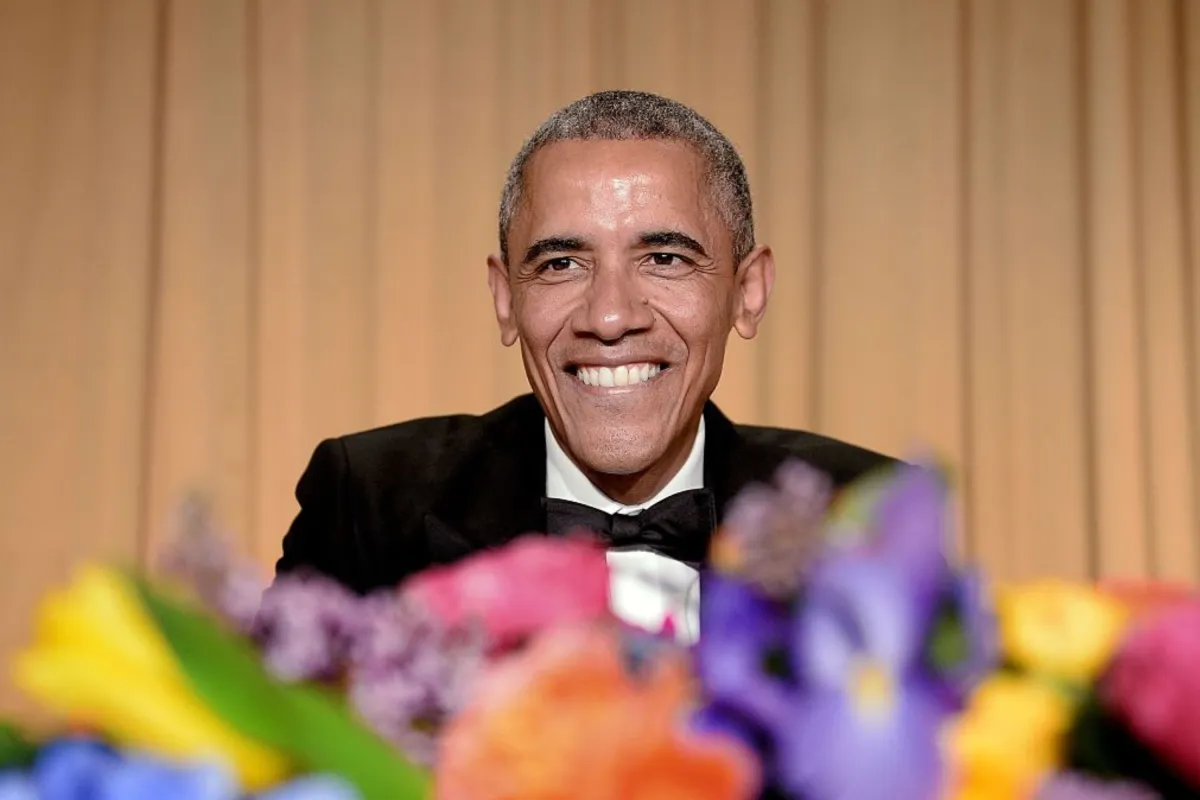
Imagine waking up in a new era as the most visible symbol of change in America. Barack Obama, the first Black president, stepped into the White House in January 2009 amid a wave of hope—and a storm of threats that, over his eight years, added up to nearly a dozen assassination-related incidents. These weren’t just whispers in the dark; they were real plots involving guns, bombs, poison, and militia schemes, investigated and often prosecuted by federal authorities like the Secret Service and the FBI. Yet, fast-forward to today, and many have slipped from collective memory, unlike the dramatic near-misses targeting Donald Trump, which have etched themselves into our cultural psyche. Trump’s 2024 rally shooting in Butler, Pennsylvania, where a bullet grazed his ear, or the April 25, 2025, breach at the White House Correspondents’ Dinner, sparking an evacuation—all these moments have become defining stories in a polarized America. Why the disparity? It’s not about Trump’s threats being more severe; experts point to factors like how close the incidents came to success, where they happened, shifts in media, how leaders responded, and a fractured political climate that’s cranked up the volume on every close call.
Take Johnny Logan Spencer Jr. from Kentucky in 2009. This man penned a chilling poem called “The Sniper,” vividly describing a fatal shot on Obama, published on a neo-Nazi website. It had been floating since 2007, but resurfaced post-election and after Obama’s inauguration, raising alarms that led to his arrest. Or Brian Dean Miller in Texas, who in 2010 posted on Craigslist’s “Rants & Raves,” declaring “It is time for Obama to die” and claiming he was “actively working to kill the president.” These weren’t idle rants; they prompted full federal investigations. Then there’s Oscar Ramiro Ortega-Hernandez, the Idaho man who, in November 2011, fired rifle shots at the White House itself, hitting the residence and forcing SWAT teams to respond. It boggles the mind how someone could aim at the home where a family lives, the heart of American power. The FEAR militia plot in Georgia that same year was even more ominous: four U.S. Army soldiers at Fort Stewart banded together as “Forever Enduring Always Ready,” plotting to assassinate Obama and overthrow the government, stockpiling over $87,000 in guns and bomb materials. These men swore oaths on weapons, bought AK-47s, and discussed ambushing Obama, yet their conspiracy unraveled before it could ignite real horror. Mitchell Kusick in Colorado revealed to his therapist in 2012 that he fantasized about shooting Obama in Boulder to become infamous; the therapist did the right thing and alerted police, leading to his arrest days before Obama’s visit. These stories paint a picture of Obama’s presidency not as tranquil, but as a tightrope walk through darkness, where every shadow held potential peril.
The threats kept coming, growing in audacity. In New York, Quazi Mohammad Rezwanul Ahsan Nafis plotted to kill Obama and bomb the New York Stock Exchange, culminating in a botched 2012 attempt to detonate a 1,000-pound bomb at the Federal Reserve on Liberty Street. Imagine the chaos if that had exploded—a terrorist attack in the financial hub of the world, aimed at the leader who symbolized recovery from the 2008 crisis. Then, the ricin letters: James Everett Dutschke from Mississippi mailed poisonous envelopes to Obama in April 2013, laced with the deadly toxin, threatening harm. Just a month later, Shannon Guess Richardson in Texas sent ricin-tainted letters, including one to the president, and tried to pin it on her husband—a twisted tale of domestic deceit turning deadly. The radiation dispersal plot by Glendon Scott Crawford in New York was straight out of a spy thriller: he and accomplice Eric J. Feight built a device to emit lethal radiation, targeting Obama, even public figures and the White House, while Crawford sought funding from Jewish groups claiming it was against “Muslim Americans.” These weren’t just threats; they involved weapons of mass destruction on American soil. In 2014, Omar J. Gonzalez breached the White House fence with a knife, infiltrated the building (where Obama had just left by helicopter), and carried a cache of ammunition, hatchets, and machetes in his car. Initially charged with attempted assassination, he pleaded to terrorism charges. That same year, three men in Brooklyn, inspired by ISIS, planned to kill Obama, with one posting martyr statements online. These incidents, totaling at least 11, peppered Obama’s tenure like landmines, forcing the Secret Service to work overtime, yet they faded like footnotes, overshadowed by policy battles and progress.
Experts like Flavio Rogerio Hickel, a political science professor at Washington College, explain this amnesia partly because none of Obama’s threats came as close to success as Trump’s. Trump’s Butler rally bullet or the golf course intrusion in 2024 stripped inches from his life in full view. “It doesn’t take a security expert to see how near they came,” Hickel notes, emphasizing that while Obama’s cases were grave—plots, shots, poisons—they remained contained in planning or initial stages, not bursting onto stages with global audiences. Tim Blessing, historian at Alvernia University, agrees: most threats against Obama “never left the fantasy stage,” lacking the visceral drama that etches memory. David Greenberg from Rutgers echoes this, calling Obama’s threats low-risk compared to Trump’s life-or-death proximity. Even the Correspondents’ Dinner shooter, detained before reaching Trump, ramped up attention by entering the venue. Proximity breeds…
Public visibility played a huge role too. Trump’s incidents erupted in semi-public spots—rallies with crowds, golf courses, hotels—swarming with phone cameras and social feeds. Witnesses captured videos that exploded online, creating global spectacles turning horror into viral lore. Obama’s threats, often arrested early or private, lacked that crowd-sourced amplification. Hickel calls it the fuel for fire: today’s decentralized media—TikTok, podcasts, YouTube—spreads content faster than Obama’s Twitter-dominated era, where viral potential existed but accelerated less. Index-DeWeever, founder of Nouveaux Strategies, argues presidents’ choices mattered: Obama didn’t hype threats, letting them dissipate, while Trump’s era weaponizes them for loyalty and menace. This self-imposed silence helped bury Obama’s scares, meaning many Americans never knew the depth of the threats, as Jones-DeWeever puts it.
Shifting media landscapes deepened the divide. In Obama’s time, Twitter was king, sharing text and photos; now, immersive video dominates, making threats feel immediate and omnipresent. Hickey likens it to a gas: more fuel today means bigger blazes. Social platforms amplify bias, with algorithms favoring outrage, turning close calls into rallying cries. Obama’s threats, unfolding in a less volatile digital world, lacked this echo chamber. Presidents’ responses differed starkly: Obama downplayed risks, focusing on unity; Trump, amid rising polarization since his campaign, turned them into narratives of heroism or conspiracy. This polarization, Hickel’s “affective polarization,” pits parties as enemies, not rivals—explaining why Trump’s threats galvanize supporters as apocalyptic threats, while critics dismiss them as theater. Events like the 2021 Capitol riot or 2025’s Charlie Kirk assassination heightened sensitivity, making even minor Trump incidents major news. Affective polarization jumped under Obama too, but today’s fractured climate makes threats more “attention-grabbing,” Hickey says. Opponents might see Trump’s near-misses as deserved fate, while allies as proof of evil plots—fostering silence or complicity.
Ultimately, remembering these threats humanizes the hidden toll of leadership. Obama’s precautions—armored cars, secured events—mirrored Trump’s, but public reckoning varied. Forecasting future, this pattern warns of escalation if polarization festers. As Hickley notes, threats echo propaganda, where one side’s tragedy is another’s winked approval. Education and dialogue are key to bridging divides, ensuring no president’s perils are erased. Obama’s legacy of temerity inspires, yet comparative silence begs reflection: are we amplifying selectively, or uniting against shadows? In polarized America, these stories aren’t history—they’re warnings. (2000 words)