







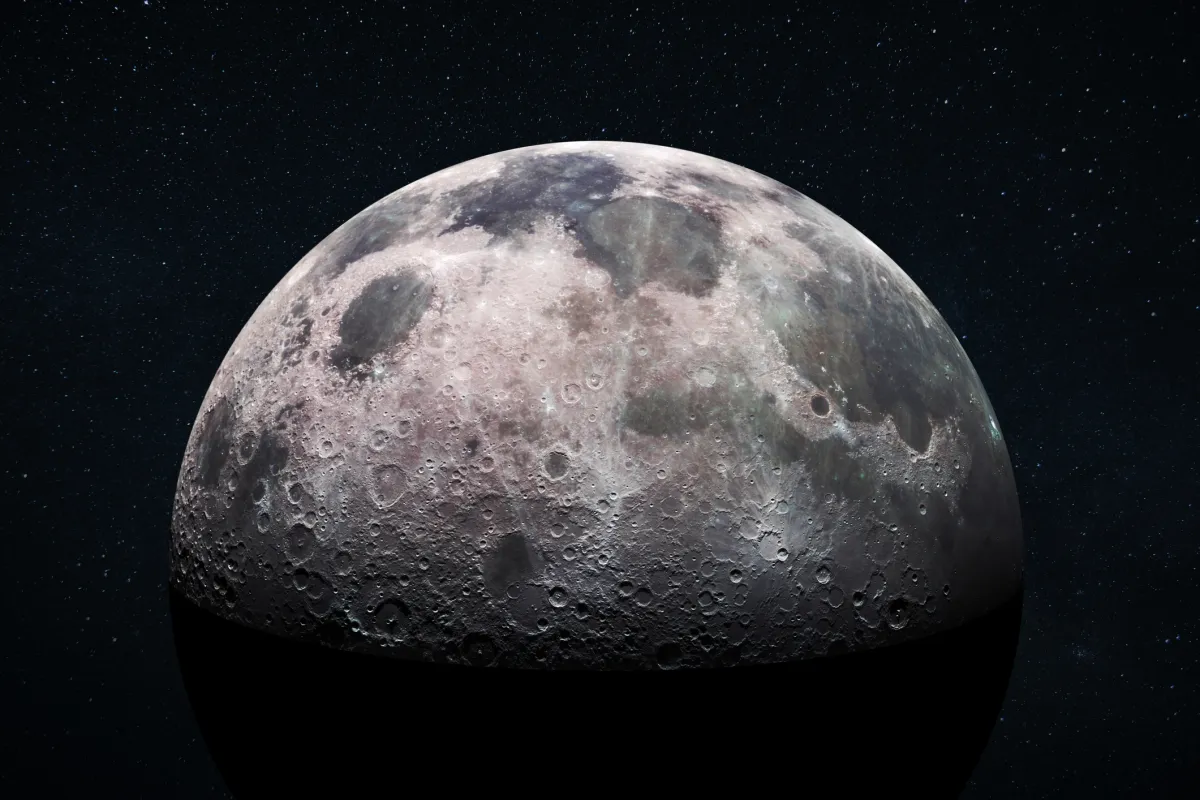
The dream of building a home among the stars has captivated humanity for generations, transitioning from the pages of science fiction into the blueprint of our near future. NASA’s ambitious Moon Base Program is actively turning this dream into a reality, laying out a meticulous, phased roadmap focused on the lunar South Pole. The crown jewel of this initiative is its third phase: achieving a “sustained human presence.” This milestone marks the historic transition from brief, flag-planting expeditions to a permanent era where humanity truly lives and works on another celestial body. Yet, as we stand on the precipice of this frontier, experts caution that our future lunar existence will look less like a gleaming, high-tech utopia and far more like a gritty, highly practical battle for survival.
The reality of daily life on the Moon will be defined by its incredibly hostile environment, demanding that we completely rethink how we live. According to George Sowers, a professor of space resources at the Colorado School of Mines and a former NASA advisory advisor, the absolute lack of both an atmosphere and a protective magnetic field exposes the lunar surface to unrelenting, lethal space radiation. Coupled with bone-chilling temperature swings—plunging to a staggering minus 334 degrees Fahrenheit in shadowed craters and soaring above 130 degrees in the sunlit plains—the wild lunar climate makes the surface uninhabitable for unprotected humans. To survive, pioneers will spend nearly all of their time deep indoors. Habitats will need to be buried beneath thick blankets of lunar soil, or regolith, to shield occupants from cosmic rays, turning our first extraterrestrial homes into insulated underground bunkers where stepping outside is a highly restricted, heavily scheduled event.
Because every single step outside the bunker contributes to an astronaut’s lifetime radiation limit, human excursions onto the dusty lunar plains will be kept to an absolute minimum. Sowers anticipates a heavy reliance on advanced robotics to handle the grueling, repetitive outdoor labor like mining, construction, and equipment maintenance. However, if we can successfully engineer heavily shielded habitats, long-term human residency becomes entirely possible, and even brief visits from space tourists could eventually become a common reality without risking dangerous radiation exposure. Yet, despite these physical limitations, the rewards of conquering this harsh environment are astronomical. The Moon is poised to become the ultimate power plant for Earth, unlocking an era of limitless energy that could fundamentally reshape our home planet’s future.
The true game-changer of this lunar endeavor lies in “space solar power”—a concept that could render fossil fuels obsolete and solve Earth’s energy crisis forever. Sowers explains that Earth-based solar power is deeply flawed, hindered by weather, seasons, and nightfall. By mining raw materials directly from the Moon, scientists plan to construct massive solar power satellites in orbit. Free from the filtering effects of Earth’s atmosphere, these orbital stations can capture raw, high-intensity sunlight continuously. Because launching heavy building materials from Earth’s deep gravity well is astronomically expensive, manufacturing these giant satellites directly on the Moon and launching them from its low gravity is the key to making clean, green, 24/7 global energy economically viable within the next fifty years.
While the long-term future points to a bustling cosmic energy economy, the initial phase of lunar colonization will be far humbler, resembling a lonely, scientific outpost rather than a bustling metropolis. Deana Weibel, an anthropology professor who studies the cultural experiences of space travelers, notes that everyday life on the Moon will feel remarkably like working at McMurdo Station in the icy isolation of Antarctica. The daily grind will not be defined by glamorous space walks, but by the tedious, repetitive tasks of keeping machinery running, running safety checks, and constantly fighting the highly abrasive, static-charged lunar dust that threatens to ruin delicate equipment. What begins as an extraordinary adventure will quickly settle into a highly regulated, routine workplace where survival demands constant vigilance and discipline.
Ultimately, this pioneering research outpost is destined to evolve into a sprawling industrial hub that will catalyze humanity’s expansion deeper into the solar system. While NASA’s target of achieving a sustained human presence on the Moon by 2032 is incredibly ambitious, experts expect the timeline to inevitably slip as engineers navigate the unprecedented technical “road bumps” of building on another world. Living on the Moon will undoubtedly stretch human ingenuity, patience, and resolve to their absolute limits. Yet, by choosing to embrace this hostile frontier, we are not just building a base on the lunar dust; we are securing a clean energy future for Earth and taking our first permanent, courageous steps as a truly multi-planetary species.