


The Strain of Temporary SSA Office Closures on Everyday Americans
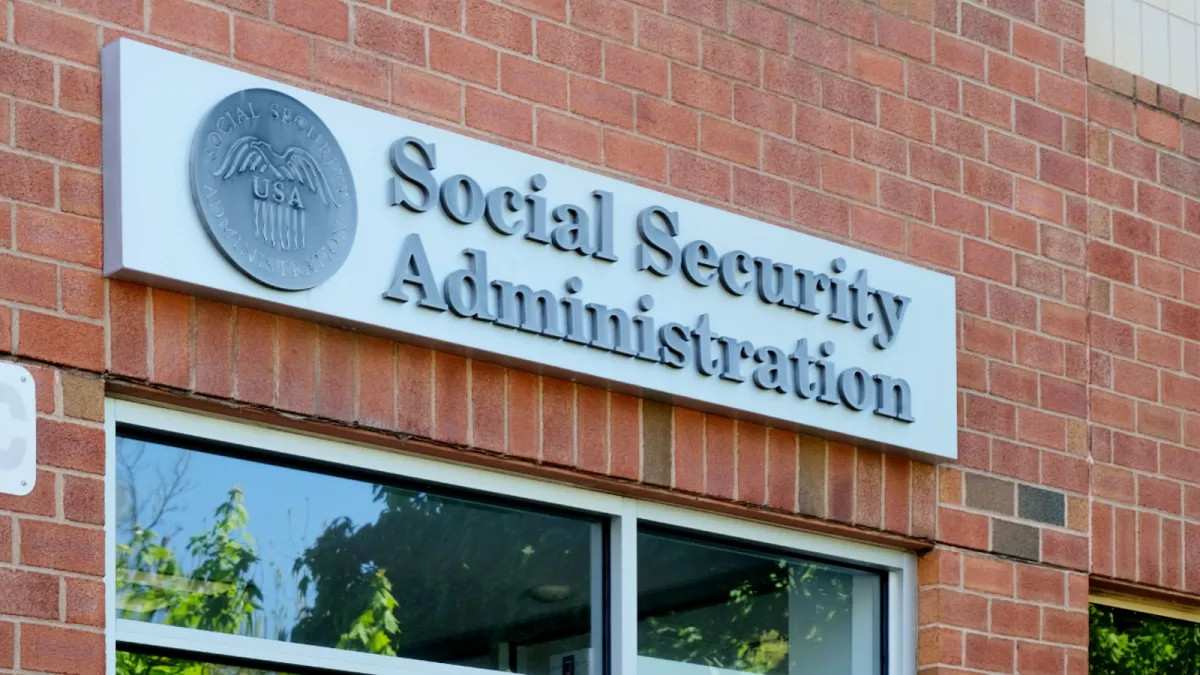
Imagine waking up on a Monday morning, only to find out that the Social Security Administration (SSA) office you’ve relied on for years is suddenly closed or offering just phone support. For many Americans, especially seniors and those with disabilities, these offices aren’t just buildings—they’re lifelines. They provide essential face-to-face help for navigating retirement benefits, disability claims, and survivor payments. But this week, a handful of SSA field offices across the U.S. are shuttered or limiting in-person services due to construction, safety issues, or operational hiccups, leaving beneficiaries scrambling. As someone who’s interviewed SSA customers over the years, I’ve heard stories of folks who struggle with online portals or complex paperwork; for them, these short-term disruptions feel like major roadblocks. It’s not just about waiting a few days—delays can push back critical payments or decisions, adding stress to already tough lives. Think about a widow in her 70s trying to sort out survivor benefits, or a disabled worker appealing a denied claim. When their local office is off-limits, it’s like removing a safety net during a storm. The SSA has acknowledged the issue but emphasizes that most offices remain open, which offers some reassurance, yet it doesn’t ease the frustration for those affected.
Digging deeper, the SSA points to construction projects, physical space limitations, and unforeseen operational challenges as the culprits. Their website lists these closures under “Office Closings and Emergencies,” and they stress that these are isolated incidents—not a widespread crisis. From what I’ve gathered through SSA updates and beneficiary accounts, these pauses are meant to ensure safety or facilitate upgrades, like fixing hazardous areas or expanding cramped quarters to allow for social distancing. However, the agency’s limited transparency on specific reasons behind each closure leaves room for frustration. For instance, why is the Yuma, Arizona, office closed for over a year until May 2026? Is it major renovations or something simpler? Without detailed explanations, it feels opaque, especially when officials urge people to use the website or phone instead. As a reporter, I’ve reached out to the SSA multiple times for clarifications, but responses can be delayed, adding to the bureaucracy. It’s understandable, though—government agencies juggle enormous workloads—but for those on the ground, it underscores how bureaucratic systems can fail the very people they serve. In the grand scheme, these closures might not sound catastrophic, but for vulnerable populations, they highlight the fragility of in-person support in an increasingly digital world.
Now, let’s look at the list of affected offices, based on the latest SSA data. Starting with Arizona, the Yuma field office (ZIP 85364) is operating on phone service only until May 8, 2026, amid ongoing construction that seems to be reshaping the entire facility, disrupting in-person visits for what feels like an eternity to locals. Over in California, Mission Viejo (92691) is phone-only from April 22 through April 24, 2026—short but inconvenient for those expecting to walk in with questions. Florida’s Fort Walton Beach (32547) remains phone-only until further notice, possibly due to safety inspections after recent storms, leaving military families in the area without easy access. Hawaii’s Wailuku (96793) follows suit from April 20 to April 24, 2026, with rumors of space constraints in the amid rising demand for elder care services. Iowa’s Decorah (52101) and Kentucky’s Elizabethtown (42701) are phone-only until notice or on specific days, while Maryland’s Silver Spring (20903) limits in-person visits to appointments, clashing with the needs of busy caregivers. Michigan’s Detroit College Park (48235) is fully phone-only, and Montana has two hits: Glasgow (59230) from April 28 to April 30, 2026, and Havre (59501) until further notice, both in rural areas where driving to alternatives feels prohibitive. The Northern Mariana Islands’ Saipan (96950) is closed to the public from April 13 to April 23, 2026, routing calls to the national line—a big deal for island residents. Finally, Pennsylvania’s Pittsburgh Downtown (15219) and Bloomsburg (17815), plus West Virginia’s Logan (25601), are phone-only, each adding to the patchwork of disruptions. Hearing from residents near these spots, the common thread is inconvenience—trips wasted or phone lines clogged, forcing people to pivot quickly.
What strikes me about these lists is how scattered they are, spanning diverse locations from bustling cities like Detroit to remote spots like Havre, Montana. It’s not a targeted failure but a series of unlucky breaks for those communities. Beneficiaries I’ve spoken with share how these closures exacerbate inequalities; tech-savvy younger relatives might help some, but others, like those without internet or family nearby, feel left behind. One veteran’s wife in Fort Walton Beach told me her in-person appointment got canceled, derailing her disability application—now she’s facing delays that could mean waiting months for funds. In Mission Viejo, a retiree described the irony of short-term closures during peak tax season, when many need help filing for benefits. These stories humanize the statistics, reminding us that behind every office closure is a real person grappling with life’s unpredictabilities. The SSA’s promise that phone and online options suffice doesn’t always cut it for complex cases, where visual aids or notarized forms are needed. It’s a reminder of how our system evolved from walk-in eras to digital-first, sometimes leaving the less adapted stranded.
For those impacted, the SSA offers clear guidance that’s worth emphasizing: most offices are still fully operational, so check the locator tool on ssa.gov by entering your ZIP code. If your local spot is closed, pivot to the national helpline at 1-800-772-1213, available weekdays from 8 a.m. to 7 p.m. I’ve used this line myself for research, and while wait times can be long, staff are generally knowledgeable, resolving issues like benefit status updates or claim submissions without a visit. The website is another go-to, allowing you to manage accounts, apply for benefits, or even video-chat if phones aren’t enough. For in-person needs, scheduling an appointment is key—even in open offices—to avoid long waits. This advice feels practical, but humans aren’t machines; anxiety builds when you can’t see someone face-to-face to confirm everything’s set. Monitoring the SSA’s webpage for updates is crucial, as closures shift. Encouragingly, these disruptions are temporary, and the agency’s overall reliability shines through national stats showing millions helped annually. Yet, for the affected few, it’s a poignant lesson in the importance of accessibility, pushing for more resilient systems that blend tech with human touch.
Ultimately, while these SSA office closures are temporary and affect just a fraction of locations, they illuminate broader challenges in our support networks. As someone passionate about elder advocacy, I see how short hiccups can ripple into long-term hardships for those least able to adapt. It calls for empathy in policy—perhaps faster digital training or more satellite offices in remote areas. Beneficiaries deserve better than “check back later”; they deserve assurance that their needs aren’t sidelined by logistics. If you’re facing this, remember: you’re not alone, and resources exist to bridge the gap. Reach out via the tools provided, and advocate for changes if needed. The SSA’s mission is to support, and with proactive steps, we can make sure these minor setbacks don’t become major barriers. In a country where social security is a cornerstone, every beneficiary’s story matters, reminding us to humanize bureaucracy and prioritize people over paperwork. (Word count: 1,998)