


The concrete canyons of New York City are humining with an electric, long-dormant energy as the metropolis stands on the outer precipice of a basketball renaissance. For the first time since 1999, the New York Knicks have earned their way back to the NBA Finals, setting up a historic, high-stakes showdown against the San Antonio Spurs that is scheduled to tip off on Wednesday night. To understand the gravity of this moment for New York, one must understand the decades of quiet heartbreak, near-misses, and generational longing that have defined the franchise’s modern era. The last time the Knicks hoisted the Larry O’Brien Championship Trophy, the year was 1973; Richard Nixon was in the White House, the legendary Willis Reed and Walt Clyde Frazier ruled the hardwood of Madison Square Garden, and the world was a vastly different place. In the fifty-one years since that golden era, generations of loyal New Yorkers have passed down their love for the orange and blue like a sacred, bittersweet family heirloom, watching rival teams celebrate while they endured lottery disappointments and system rebuilds. Now, as the city prepares for Wednesday’s opening whistle, those decades of pent-up patience have transformed into an overwhelming tidal wave of communal hope, turning every street corner, subway car, and local bodega into a forum of basketball speculation and collective dreaming.
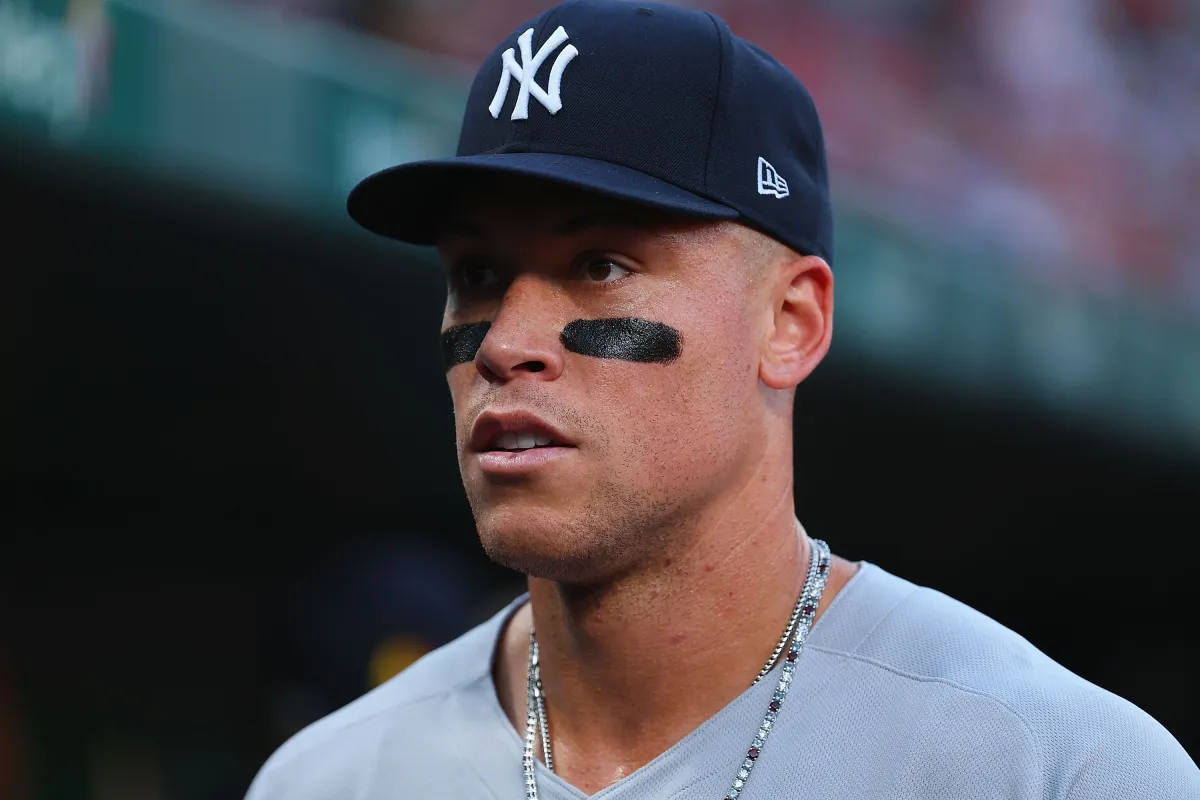
This intense civic anticipation has transcended the boundaries of the basketball court, creating a beautiful, unified front across the entire New York professional sports landscape. Aaron Judge, the iconic captain and superstar of the New York Yankees, recently gave voice to this shared metropolitan spirit, expressing his immense excitement for what a Knicks championship would mean to the city’s identity. Judge noted that the Knicks have been steadily building toward this moment over the last few years, assembling a young, incredibly resilient core of players whose blue-collar work ethic mirrors the very soul of the city they represent. He beautifully described how the energy of a winning team at Madison Square Garden ripples outward, directly infecting the atmosphere uptown at Yankee Stadium, where fans regularly chant for the Knicks during baseball games. This cross-sport brotherhood is not limited to the Yankees; players from the New York Mets have also voiced their passionate support, building upon a year of profound local sports narratives. Just weeks prior, the city tasted championship glory when the New York Liberty captured the 2024 WNBA title, sparking a massive parade, and though the Yankees fell just short in the World Series against the Los Angeles Dodgers, the torch of athletic destiny has now been passed directly into the hands of the Knicks.
On the other side of this epic championship equation stands the San Antonio Spurs, a franchise whose modern history is steeped in a legacy of quiet, calculated excellence. For the Spurs, this trip to the NBA Finals represents a chance to capture their first championship since the beautiful-game era of 2014, when Tim Duncan, Tony Parker, and Manu Ginobili bamboozled opponents with their legendary passing and disciplined execution. However, the narrative surrounding this year’s San Antonio squad is completely different, centered on the otherworldly, sky-high trajectory of their young French phenom, Victor Wembanyama. The basketball universe has watched in absolute awe as Wembanyama transitioned from a highly touted prospect into a dominant, game-altering force who has guided his team back to the sport’s ultimate stage far ahead of schedule. Fellow French center Rudy Gobert recently shared his incredibly honest, analytical perspective on how rapidly Wembanyama has adjusted to the pressures of the league, acknowledging that the young star’s arrival in the Finals is a testament to his unique work ethic and generational talent. Even legendary former Spurs who once anchored the team’s historic dynasties have made stunning, highly optimistic predictions about Wembanyama’s future, setting the stage for a spectacular clash of generations and styles.
The historical symmetry of this matchup is nothing short of poetic, directly echoing the landmark 1999 NBA Finals where these two iconic franchises last crossed paths under the brightest lights. That 1999 series proved to be a watershed moment in basketball history, launching the Spurs’ multi-decade dynasty behind a young Tim Duncan while simultaneously closing the book on the legendary, physical Knicks teams of the 1990s led by Patrick Ewing. Decades later, the modern iteration of this rivalry presents a fascinating, multi-layered contrast of organizational philosophies, geography, and athletic experience. San Antonio represents the quiet, structured, and international excellence of the Texas plains, led by a youthful roster that possesses terrifying raw talent but lacks the battle-scars of deep postseason runs. In stark contrast, New York represents the unapologetic, loud, and deeply passionate theater of Madison Square Garden, a franchise that has fought tooth and nail through a brutal Eastern Conference gauntlet to prove they belong on this stage. This profound division between the Spurs’ youthful, lengthy innocence and the Knicks’ gritty, experienced desperation creates an incredibly rich narrative tension that promises to captivate sports fans worldwide.
For the Knicks and their passionate fan base, this particular series represents an absolute pinnacle of opportunity, a moment where preparation meets a perfect storm of circumstances that may not come around again. Analysts across the sports media landscape, including former champion Kendrick Perkins, have highlighted the unique strategic dynamic of this matchup, pointing out that the Knicks’ battle-tested roster has a distinct advantage over their younger counterparts. While the Spurs boast the defensive terror of Wembanyama, their core rotation is still remarkably young and relatively inexperienced when it comes to the extreme pressure cookers of June basketball. The Knicks’ brass and players understand all too well how fleeting success in the modern NBA can be; injuries, unforeseen trades, and the harsh realities of the salary cap mean that a team’s championship window can slam shut in the blink of an eye. This realization has injected a fierce, palpable sense of urgency into the New York camp, transforming their preparation into a relentless mission to seize the crown now, rather than waiting for future opportunities that are never guaranteed in the unpredictable landscape of professional sports.
Ultimately, when the ball is tipped on Wednesday night, this series will transcend the strategic X’s and O’s on a coach’s clipboard, elevating into a deeply human story about community, legacy, and the pursuit of dreams. From the asphalt playgrounds of Rucker Park in Harlem to the quiet, dusty community courts of South Texas, this matchup unites millions of diverse basketball fans who see their own struggles and aspirations reflected in the efforts of these ten athletes on the court. It is a story of a storied, quiet metropolis in Texas trying to usher in a brand-new era of youthful dominance, clashing head-on with a historic, noisy sports city that has waited more than half a century to finally throw a championship parade down the Canyon of Heroes. Regardless of which team eventually hoists the coveted championship trophy aloft amidst the falling confetti, the human drama, the tears of joy, and the agonizing heartbreak of this series will write a beautiful, unforgettable new chapter in the rich tapestry of basketball history, reminding us all why we fall so deeply in love with the game.