

The silent transition of power in Tehran has cast a long, anxious shadow over Iran as the nation undergoes a profound period of grief, anger, and geopolitical uncertainty. Following the death of Supreme Leader Ayatollah Ali Khamenei in a devastating U.S. airstrike on February 28, the country has embarked on an elaborate, multi-city mourning ritual designed to rally the public around the Islamic Republic’s revolutionary ideals. Yet, the most striking aspect of these massive funeral processions is not the sea of mourners or the fiery anti-Western rhetoric, but rather a glaring vacancy at the very top. Iran’s newly appointed Supreme Leader, Ayatollah Mojtaba Khamenei, has remained completely hidden from public view, leaving the country to be governed by a voice that is heard only through written decrees while his physical condition and whereabouts remain shrouded in intense speculation.
The scale of the public grief has been immense, stretching across five cities in both Iran and Iraq, strategically timed to coincide with both the solemn Islamic month of Muharram—a period deeply associated with martyrdom and betrayal—and the landmark 250th anniversary of American independence. In Tehran’s Grand Mosalla, tens of thousands of weeping citizens gathered as the coffins of the late leader and other family members were carried through the streets. While three of the late Ayatollah’s sons, Mostafa, Meysam, and Masoud, were seen openly weeping, their newly elevated brother Mojtaba was nowhere to be found. His absence was felt even more acutely during the funeral of his own wife, Zahra Haddad-Adel, who also perished in the February airstrikes, fueling deeper questions about the heavy physical and emotional toll the attack took on the regime’s incoming leadership.
Behind the official wall of silence, rumors about the new leader’s health have reached a fever pitch, painting a picture of an administration operating from the shadows of a critical care ward. While Tehran officially dismisses these claims as Western propaganda, insisting that Mojtaba is merely keeping a low profile due to extreme security concerns and the persistent threat of further assassination attempts, international intelligence suggests a much more physical struggle. U.S. Defense Secretary Pete Hegseth remarked in March that the new leader was likely “wounded and disfigured” in the strike that killed his father. Subsequent reports from international news agencies echoed these grim assessments, suggesting Mojtaba is quietly recovering from severe facial and leg injuries, with some accounts suggesting he may have suffered an amputation—a physical vulnerability the regime is desperate to conceal from both its citizens and its adversaries.
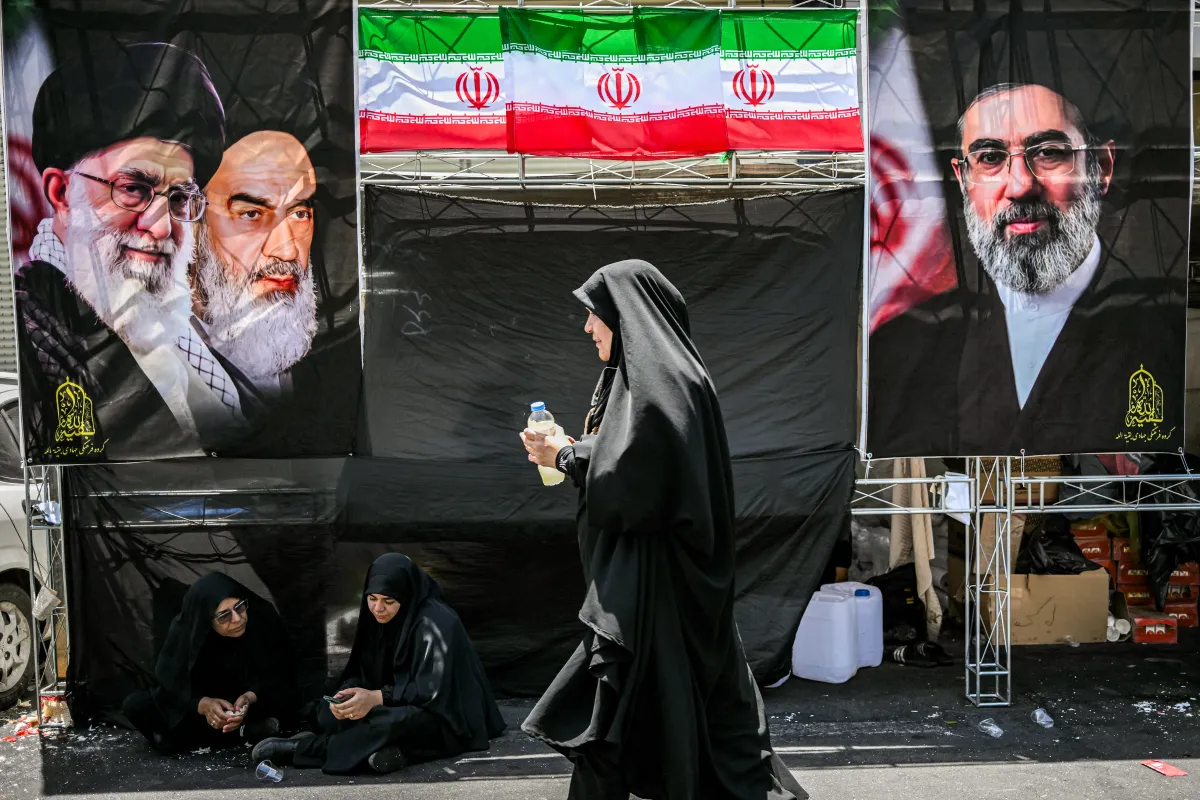
In the vacuum created by his physical absence, the regime has deployed Mojtaba’s image on posters draped across the capital, attempting to project a sense of continuity and strength, though independent observers suggest a much more chaotic reality is unfolding behind closed doors. Dissident artists and commentators have depicted the transition not as a seamless passing of the torch, but as a desperate struggle among the regime’s elite to secure power and wealth in a post-Ali Khamenei era. To counter these narratives of internal fracture, government representatives like Ali Akbar Pourjamshidian, head of the national funeral committee, have tried to normalize the situation by publicly stating that the Supreme Leader’s schedule and public appearances remain entirely outside the purview of local organizers, hinting at a highly controlled security protocol surrounding the new ruler.
Despite his physical isolation, Mojtaba Khamenei has endeavored to signal that his grip on the nation’s governance remains firm through strategic executive actions delivered via written state communiqués. Most notably, he recently authorized a crucial memorandum of understanding (MOU) between Iran and the United States aimed at de-escalating the conflict. According to state-issued statements, the new Supreme Leader approved the diplomatic breakthrough only after receiving personal assurances from President Masoud Pezeshkian and top military commanders that Iran’s national interests and the security of its regional proxy network, known as the “Resistance Front,” would be absolutely protected under the new terms, demonstrating a willingness to negotiate even while maintaining a hardline posture.
The true test of the new regime’s stability and Mojtaba’s physical capability will culminate on July 9, when the late Ayatollah is finally laid to rest in his birthplace of Mashhad. Before reaching its final destination, the funeral procession is scheduled to pass through the sacred Iraqi cities of Najaf and Karbala, a symbolic journey meant to solidify Iran’s spiritual and political influence over the regional Shiite community. Whether Mojtaba Khamenei will break his silence and make a dramatic, unifying public appearance during these final steps, or continue to govern from an undisclosed recovery site, remains the defining question for an anxious nation standing at a historically volatile crossroads.