



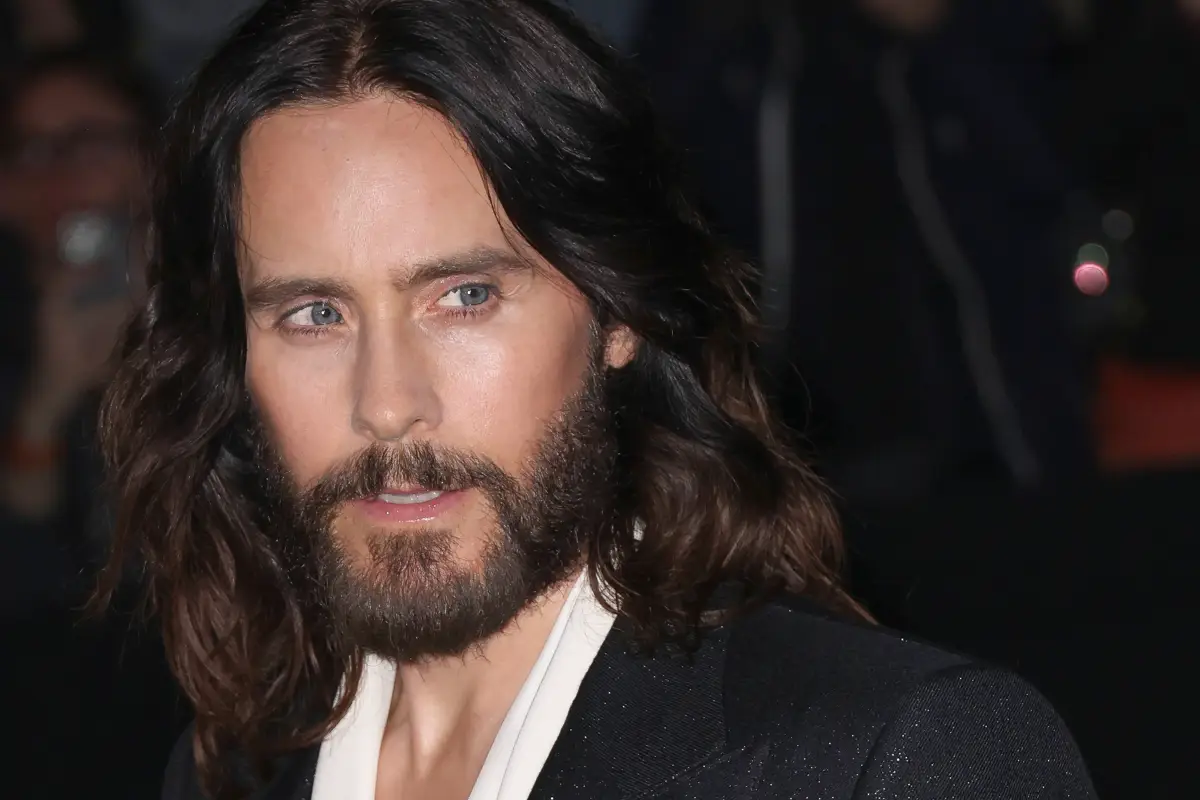
The systemic nature of power dynamics within the entertainment industry has long served as both a shield for influential figures and a barrier to justice for those who lack a public platform. The release of the BBC documentary, Jared Leto: Hollywood’s Dark Secret, represents a significant disruption to this status quo, bringing to light a series of deeply troubling and grave allegations against the prominent actor and musician. For decades, the glittering allure of major film premieres, critical accolades, and international concert tours has dominated the public narrative surrounding Jared Leto, overshadowing persistent, quiet rumors regarding his interactions with young women. This documentary, however, shifts the focus away from his artistic achievements and onto the lived experiences of individuals who allege that their encounters with him were marked by emotional manipulation, exploitation, and sexual misconduct. By centering the narratives of those who felt powerless in the face of immense celebrity, the broadcast challenges the public to look beyond the carefully curated personas of Hollywood elites. It demands a serious evaluation of how celebrity worship can cultivate environments in which vulnerable, young individuals are exposed to harm under the guise of exclusive artistic access, raising fundamental questions about the ethical responsibilities of the industry and the public alike in maintaining structures of accountability.
At the core of this painful reckoning are the direct, deeply personal testimonies of four women who describe encounters that occurred when they were adolescents, highlighting an overwhelming disparity in maturity, agency, and power. One woman shares the traumatic recollection of being sexually assaulted in a motel room by Leto when she was only seventeen years old—an age where navigating the intense pressure of an older, highly influential adult’s desires can feel utterly impossible. A second woman recounts her experience at the same age in California, explaining that when she explicitly raised questions about the state’s legal age of consent, which is eighteen, Leto simply dismissed her concerns, signaling a disregard for both legal boundaries and her personal safety. The third account details a terrifying situation in which a nineteen-year-old woman found herself isolated and alone with the actor in a hotel room, where she alleges he threatened her with sexual assault, leaving her with lasting psychological scars and a sense of profound vulnerability. Finally, a fourth woman describes a calculated pattern of grooming that began when she was just sixteen, alleging that Leto utilized his global fame and charismatic status to initiate sexually explicit phone calls and suggest physical encounters. These collective narratives illustrate a pattern of behavior wherein teenage girls, often starstruck and seeking validation, were allegedly drawn into spaces where their boundaries were repeatedly crossed by an adult in his thirties and forties.
The documentary draws its strength not from hearsay, but from a meticulous and rigorous investigative process that brought together ten women, nine of whom chose to speak publicly about their experiences for the very first time. Spanning more than a decade of interactions between 2002 and 2016—a period during which Leto was an established star in his thirties and forties—these testimonies reflect a sustained pattern of behavior rather than isolated or historically distant incidents. To validate these painful memories, the BBC conducted extensive corroborative research, speaking with the friends, family members, and confidants whom these women had trusted with their disclosures shortly after the alleged events occurred. This process of contemporaneous verification is vital, as it counters the common, dismissive narrative that such allegations are sudden fabrications designed for public attention. Instead, it reveals the quiet, agonizing reality of young women who have carried these heavy secrets for decades, sharing them only within intimate support networks while watching their alleged abuser continue to receive global praise. By elevating these corroborating voices, the investigation underscores the enduring trauma of sexual misconduct, illustrating how the memory of exploitation remains vivid and damaging long after the physical encounters have ended.
The allegations documented in the film do not exist in a vacuum; rather, they represent the culmination of warnings and complaints that have circulated within internet circles and industry whisper networks for more than twenty years. During its investigation, the BBC identified more than 120 separate online allegations dating back to the early 2000s, where women detailed behaviors they had witnessed, experienced, or heard about concerning Leto’s conduct with underage and young fans. The public had brief glimpses of these concerns in 2005, when an article in the New York Post detailed allegations that Leto was approaching teenagers at a New York hotel and exchanging text messages with them. However, these early warning signs were quickly swept aside by the rapid cycles of the entertainment industry, failing to generate sustained public scrutiny until 2025, when Air Mail published a comprehensive investigation featuring the testimonies of nine women accusing Leto of sexual impropriety. Despite Leto’s representatives issuing standard denials to these claims, the persistent recurrence of these stories over a twenty-year span suggests a deeply entrenched systemic failure. It highlights how easily the voices of young, non-famous women can be marginalized when competing against the immense public relations machinery and legal protections available to an elite cultural figure.
Uniquely, the documentary also peers behind the velvet curtain of the music industry by incorporating the perspectives of those who worked within Leto’s professional orbit, specifically former crew members of his rock band, Thirty Seconds to Mars. The testimonies of these staff members provide crucial, objective context to the environment that enabled such interactions, revealing that the targeting of young women was not entirely invisible to those working surrounding the band. Two former crew members described a culture of profound ethical unease, noting that some crew members were deeply uncomfortable with the age of the girls and young women who were systematically introduced into the band’s sphere. One crew member recalled how young women were regularly invited backstage during emotional, high-energy tours, while another described frequent visits by teenage girls to private properties where the band was actively working. Their admissions reflect a troubling reality where working-class tour staff felt powerless to intervene, paralyzed by the recognition that the age gaps between the frontman and his young guests were entirely inappropriate. This organizational complicity illustrates how the structural hierarchies of a rock tour can pressure employees into silence, turning a blind eye to questionable behavior to preserve their own employment and maintain the profitable illusion of rock-and-roll rebellion.
Today, Jared Leto stands as one of the most recognizable figures in global pop culture, celebrated for his range as an actor—culminating in an Academy Award for Best Supporting Actor in 2014 for Dallas Buyers Club—and his roles in blockbuster films like Suicide Squad and Blade Runner 2049. Simultaneously, he continues to front the internationally successful rock band Thirty Seconds to Mars alongside his brother, maintaining a massive, dedicated global fanbase. This duality between immense artistic success and grave personal allegations highlights the profound ethical conflict at the heart of modern media consumption. When given multiple opportunities by the BBC to respond directly to the extensive and detailed accusations presented in the documentary, Leto chose to remain silent, a refusal that contrasts sharply with the vocal bravery of the women who spoke out. His silence leaves a lingering void, raising critical questions about whether the entertainment industry will continue to prioritize profit and prestige over the safety and dignity of the young. Ultimately, the documentary serves as a somber reminder that the glittering surface of Hollywood often conceals deeply human costs, and that true progress toward a safe, equitable culture requires a willingness to confront even the most powerful icons when their actions betray the trust of the vulnerable.