

Eighteen years ago, Winnie M. Li’s world was irrevocably shattered when she was sexually assaulted while hiking alone. At twenty-nine years old, Winnie was a young woman characterized by her insatiable love for the natural world, an avid traveler who viewed the wilderness not as a place of danger, but as a profound sanctuary of peace, beauty, and renewal. In the catastrophic wake of the assault, however, that sanctuary was abruptly transformed into a landscape of terror, and her psychological reality became dominated by a severe, punishing form of post-traumatic stress disorder. The very elements of the outdoors that had once brought her solace—the rustle of leaves, the vast expanse of open sky, the quiet isolation of a forest path—became intense neurological triggers that could instantly plunge her into suffocating panic attacks. This sensory prison meant that even the simple, once-effortless act of entering a public park by herself felt like an insurmountable mountain, a terrifying endeavor that threatened to resurrect the raw, clawing memories of the violence she had endured. For a survivor, the loss of one’s safe spaces is a secondary grief, a profound theft of identity that leaves one feeling disembodied and alienated from the very activities that once defined their soul. Winnie found herself grappling with the agonizing realization that the physical world had shrunk, her horizons restricted by the invisible boundaries of trauma. Yet, amid this dense fog of fear, a quiet, stubborn spark of defiance remained within her, a refusal to let the perpetrator have the final word on her relationship with the Earth. The recovery process would not be sudden, nor would it be clean; instead, it began with a conscious, painfully slow decision to confront the terror of the outdoors, setting the stage for a deeply personal, life-affirming ritual that would span nearly two decades of healing, growth, and reclamation.
The journey back to the wilderness was paved with incremental, agonizingly small victories, born of a desperate need to reclaim the parts of herself that had been stolen. In the first year following the assault, the prospect of venturing outdoors alone was simply too terrifying to contemplate, prompting Winnie to lean on a circle of trusted friends who accompanied her on her very first anniversary walk—a brief, shielded excursion that relied on the protective warmth of human companionship. By the second year, she resolved to take a monumental step forward by walking entirely alone, yet she carefully mitigated the risk by restricting herself to the safe, predictable confines of a modest city park. These early attempts at reconnecting with nature were not characterized by effortless peace; rather, they were intense psychological battles wherein Winnie had to consciously perform a delicate, exhausting cognitive balancing act. She found herself forced to hold two starkly opposing emotional states in her mind at the exact same time: the sharp, hyper-vigilant anxiety bound to her trauma, and a deeply felt, intentional appreciation for the natural beauty that still bloomed around her. This practice of dialectical healing—acknowledging her genuine fear while refusing to let it completely eclipse the warmth of the sun or the gentle rustling of the trees—became the cornerstone of her recovery. It was an act of quiet, radical resistance against the paralyzing grip of PTSD, a way of proving to her own nervous system that safety and beauty could coexist with the memories of past horrors. With each deliberate step she took along those early, manicured paths, she was slowly rewriting her internal narrative, transforming the wilderness from a site of victimization back into a space of agency and self-ownership.
Over the course of nearly two decades, the annual ritual of walking on the anniversary of her assault—specifically marked on the second Saturday of every April—underwent a profound, beautiful metamorphosis. In the initial years, this fixed calendar date was covered in a heavy, suffocating darkness, serving as a somber monument to grief, pain, and the acute memory of a life interrupted by violence. It was a day of mourning for the carefree youth she had lost, a time when the emotional wounds were still raw and the shadow of the assault loomed large over her daily existence. However, as the seasons blended into years and the hard work of trauma processing began to bear fruit, the emotional weight of the date began to shift in a more hopeful direction. She eventually rebuilt her life, finding love, establishing a fulfilling career, and stepping into the profound, transformative role of motherhood with the birth of her son, who is now six years old. Today, almost twenty years later, the second Saturday of April is no longer a day defined by the grim reality of the assault, but rather a vibrant, celebratory marker of her survival, resilience, and the impressive life she has managed to construct in the aftermath. The memories of the attack have faded into the background of her consciousness, replaced by an overwhelming sense of gratitude for her own strength and a simple, pure enjoyment of solitude and nature. The day has been successfully reclaimed from her attacker; it now belongs entirely to Winnie, serving as a yearly mirror that reflects just how far she has traveled from the valley of despair to a peak of genuine peace.
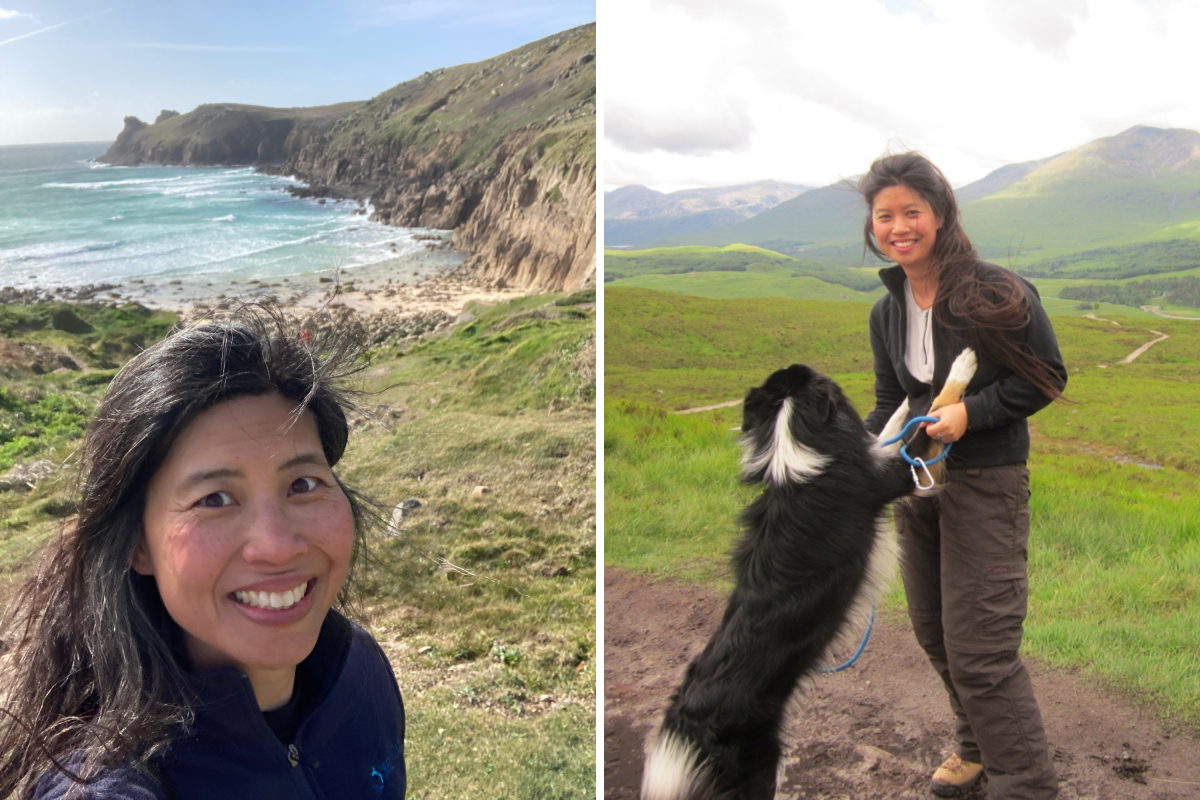
To mark the eighteenth anniversary of her survival, Winnie chose to dramatically elevate her ritual by embarking on a challenging, multi-day trek along a portion of the Southwest Coast Path in Cornwall, journeying from Penzance to Land’s End. This was a significant departure from her usual shorter, more localized anniversary walks, born of a desire to seek a grander, more immersive natural experience after a particularly demanding and stressful year of professional work in Birmingham. The bustling, fast-paced urban environment of the West Midlands, where she currently resides, offers little in the way of quiet introspection, making the wild, wind-swept cliffs and endless maritime horizons of Cornwall the perfect antidote to her daily exhaustion. Walking along the edge of the English channel, with the salty air filling her lungs and the dramatic coastal vistas stretching out before her, Winnie found the deep, restorative escape she had been craving. The sheer physical exertion of navigating the rugged, undulating coastal terrain provided a grounding, somatic outlet for her stress, allowing her to connect deeply with her body in a space of overwhelming natural beauty. The sea, with its endless rhythm of waves crashing against ancient stone, mirrored her own journey of endurance—a constant, powerful force eroding the sharp edges of past pain. This ambitious journey was not merely a physical challenge, but a spiritual pilgrimage, a testament to her restored capacity to occupy large, wild spaces entirely on her own terms, free from the paralyzing fear that had once dictated her geographic boundaries.
Yet, despite the immense beauty and liberating solitude of the Cornish coast, the journey also brought into sharp focus the ways in which her relationship with physical risk and personal safety has permanently evolved since the assault. Negotiating narrow footpaths that hugged the damp, sheer drops of the sea-facing cliffs occasionally triggered a cold, instinctual sense of caution, reminding her of the fragility of human life. The youthful sense of total invincibility that characterizes many twenty-somethings was violently stripped away from her eighteen years ago, replaced by a permanent, sober awareness that catastrophic events can occur in an instant. This heightened sense of caution has been further reinforced by the profound responsibility of motherhood; having a young child depending on her survival naturally changes the psychological calculus of how close one is willing to walk to the physical and metaphorical edge. Looking back on her past, she views her early attempts at recovery—such as a solo backpacking trip through Southeast Asia less than two years after her assault—with a complex mixture of immense pride and retrospective disbelief at her own audacity. She recognizes now that her path to recovery was wildly non-linear, marked by bold, almost reckless leaps of faith alongside periods of quiet retreat. Winnie accepts that she will never again be an entirely carefree, oblivious traveler who moves through the world without fear; instead, she has developed a much richer, more resilient form of courage. It is a courage that does not deny the existence of danger, but rather acknowledges it fully, choosing to embrace adventure and seek beauty anyway, carrying safety consciousness not as a heavy shackle, but as a wise, protective companion.
Today, Winnie M. Li stands as a powerful beacon of hope for survivors of trauma worldwide, transforming her personal pain into profound creative expression through her career as an accomplished writer. Her deeply empathetic perspective on human vulnerability, resilience, and the complexities of survival is beautifully woven into her literary work, including her highly anticipated novel, What We Left Unsaid, which is currently available in hardcover, with the paperback edition set to be published on August 25, 2026, and open for preorders. If she could reach back through the corridors of time to speak directly to her terrified, post-assault twenty-nine-year-old self, her message would be one of fierce, unwavering reassurance: it gets better, and the day will surely come when you can once again do the things you love without fear. Her journey has ultimately gifted her with a rare, crystalline clarity regarding the precious brevity of human existence, cultivating within her a fierce intolerance for unsatisfying situations, toxic compromises, or wasted time. This lack of patience for things that do not serve her soul is not a negative trait, but rather a vital, pulsing reminder that she is alive, that she fought hard for her survival, and that she has a duty to herself to passionately pursue the things that carry deep, authentic meaning. By sharing her eighteen-year journey of reclaiming the trails, Winnie humanizes the long, winding road of trauma recovery, illustrating that healing is not about returning to the person you were before, but about courageously crafting a brand-new, fiercely independent self from the shattered pieces of the past. Her annual solo walks are no longer just about remembering a horrific crime; they are a profound, enduring celebration of a woman who stepped into the wild, faced down her ghosts, and walked all the way back to her own life.