

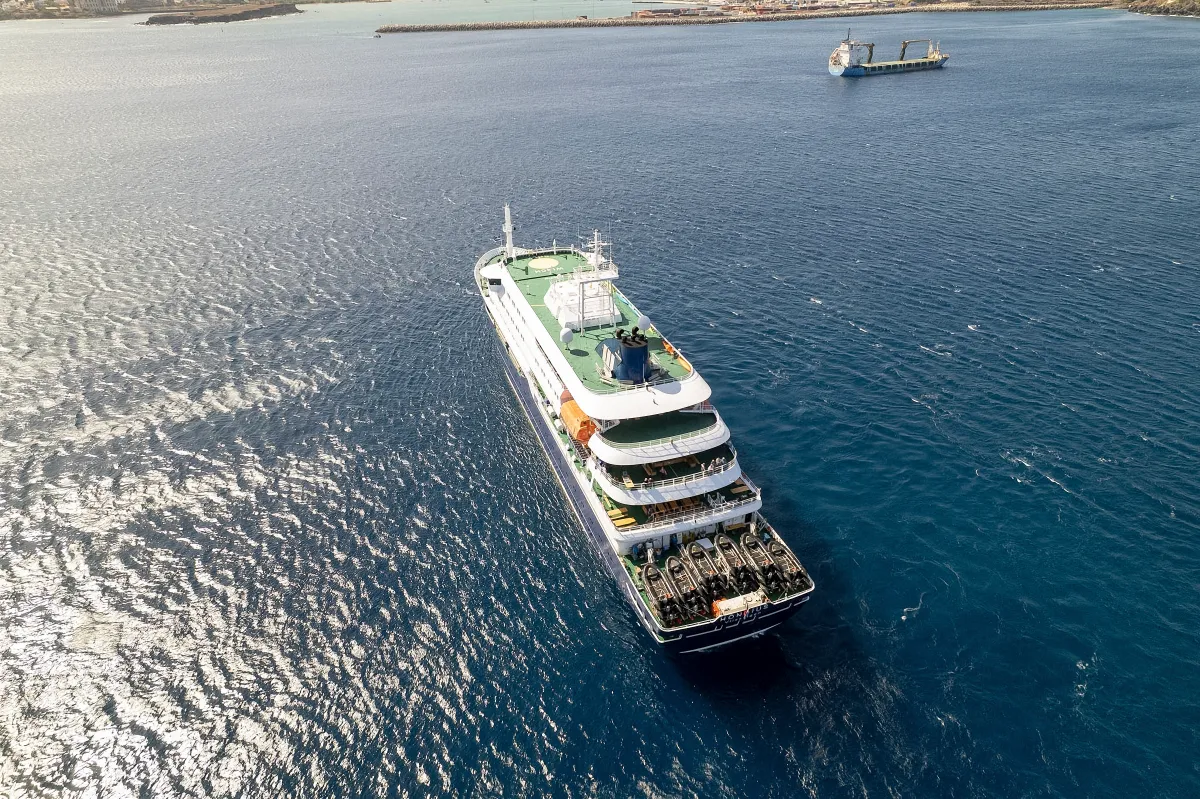
The Growing Concern Aboard the MV Hondius
Picture yourself sailing across the vast, uncharted waters of the Southern Ocean, captivated by the raw beauty of icy glaciers and remote archipelagos, when suddenly, an unseen threat emerges from the shadows—a deadly hantavirus outbreak that turns your dream voyage into a nightmare. That’s the harrowing reality facing passengers on the MV Hondius, a cruise ship operated by Oceanwide Expeditions that set sail from Ushuaia, Argentina, a month ago with over 140 souls onboard. Now, as the vessel chugs toward Spain’s Canary Islands, the U.S. Centers for Disease Control and Prevention (CDC) has stepped in, classifying this crisis as a “Level 3” emergency response— the mildest tier in their activation scale, signaling a watchful eye rather than a full-blown alarm. According to ABC News, this means federal agencies are coordinating a measured effort to curb the spread, sending a message that while the situation demands attention, it’s not spiraling out of control. For those onboard, this must feel like a mixed blessing: relief that help is on the way, but anxiety over the unknown perils of hantavirus, which has already claimed lives. The outbreak appears linked directly to the ship, raising questions about how such a virus, typically lurking in rodent droppings, infiltrated a vessel designed for adventure. Imagine the ship’s captain grappling with decisions—do they quarantine everyone, alter course? The CDC’s low-level classification reassures that the public at large remains safe, but for the ship’s community, it’s a tense standoff. Families at home are glued to news updates, wondering if their loved ones will return unscathed. The CDC’s statement underscores a proactive stance: “We are monitoring the situation closely with U.S. travelers onboard, urging them to follow health guidance as we work to bring you home safely.” This humanizes the response—it’s not just bureaucracy, but a commitment to individual safety. Across the Atlantic, officials in states like Arizona, California, Georgia, and Virginia are tracking returned passengers, conducting health checks that so far have come up clear, providing some small comfort amid the storm. Yet, the emotional toll on those navigating this ordeal is immense; one can only fathom the fear of waking up each day uncertain if symptoms will strike, or the guilt of crew members ensuring everyone’s well-being. As the ship nears Tenerife, the World’s islands promise a sanctuary, but the journey there is fraught with anticipation, each wave a reminder of the fragility of human endeavors against nature’s hidden dangers.
Lives Lost and Lives at Risk
At the heart of this unfolding drama are the human stories of loss and perseverance. Three individuals have tragically succumbed to the hantavirus: a Dutch couple and a German woman, their dreams of exploration cut short by an enemy they never expected to encounter at sea. These deaths, reported in the midst of the ship’s voyage, have left families and fellow passengers reeling, turning what should have been a once-in-a-lifetime trip into a tale of grief and survival. Several others onboard have fallen ill, battling symptoms that echo the virus’s ruthless nature—fever, respiratory distress, and organ failure that can strike one to eight weeks after exposure. For those afflicted, recovery is a grueling process, often requiring intensive care in specialized units, while the rest of the crew and passengers live under a cloud of caution. The MV Hondius, now a floating hotspot, carries over 140 people, including intrepid travelers from around the globe, who boarded in Argentina dreaming of penguins, seals, and untouched landscapes. But the virus, believed to have originated from rodent contamination—perhaps through inhaled dust or contact with infected waste—has transformed the itinerary into one of isolation. Health officials in the Canary Islands are preparing for “careful evacuations,” a poignant phrase that speaks to the delicate balance of preserving lives without panicking. Oceanwide Expeditions, the ship’s operator, has been transparent in their updates, assuring that currently, none of the remaining passengers or crew show symptoms—a sliver of hope in an otherwise bleak horizon. Yet, the emotional weight is heavy; imagine the camaraderie forged during the cruise turning into shared vigils, where passengers support each other through uncertainty, perhaps sharing stories around dimly lit cabins to distract from the fear. The WHO has noted that transmission doesn’t happen easily from person to person, save for a rare exception like the Andes virus strain implicated here, which requires “close and prolonged contact.” For the Dutch couple, whose lives ended together, this adds a layer of tragedy—what if proximity on the ship played a cruel hand? And for the solo traveler, the German woman, her voyage morphed into solitude in the face of death. These personal narratives remind us that behind every headline is a tapestry of human aspiration shattered by unseen threats, urging us to cherish the mundane joys of health and connection while we still can.
Vigilant Monitoring and Reassurance for Returning Travelers
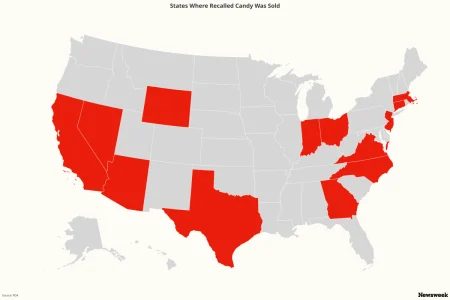
As the MV Hondius inches closer to its destination, a network of state health officials in the U.S. is springing into action, monitoring those who have already returned home from the ill-fated cruise. At least four states—Arizona, California, Georgia, and Virginia—have identified individuals from the ship and are keeping a close watch, conducting regular check-ins that have so far revealed no symptoms, as reported by Newsweek. This proactive surveillance isn’t just a bureaucratic exercise; it’s a lifeline for families anxious about post-voyage health scares. Picture a mother in Phoenix, Arizona, greeting her son back from the expedition, her heart pounding as she notices even the slightest cough, only to receive reassurance from local health teams. Or a retiree in Virginia, reflecting on the thrill of Antarctic adventures, now thankful for the oversight that prevents undetected illness. The risk to the broader public, according to the CDC, remains “extremely low,” a sentiment echoed in their public statement that aims to calm nerves without downplaying the gravity. “We urge all Americans aboard the ship to follow guidance,” they implore, framing this as a united effort across government branches. The U.S. State Department is spearheading a “whole-of-government response,” involving direct outreach to passengers, diplomatic talks, and collaboration with international health authorities—a reminder that in times like these, compassion and coordination can bridge oceans and borders. For those monitoring, the daily routines might involve self-isolation protocols, perhaps avoiding close contact with loved ones initially, all while doctors offer empathetic support. Psychologically, this period of watching and waiting can be draining, amplifying worries about what-ifs, but it also fosters resilience. Travelers might journal their experiences, turning fear into fodder for future tales, or connect with support groups for fellow adventurers-turned-survivors. The low risk assessment provides some solace, but it doesn’t erase the emotional scar of the outbreak, highlighting how even contained threats like hantavirus can ripple through lives, teaching lessons in preparedness and the value of community vigilance in an interconnected world.
Understanding Hantavirus: A Hidden Menace
To grasp the full scope of the MV Hondius crisis, one must delve into the world of hantaviruses, those elusive pathogens that lurk in the wilds, often emerging when human habitats intersect with nature’s unseen perils. Typically transmitted by inhaling particles from rodent droppings, urine, or saliva—think of it as a microscopic intruder carried on the wind into lungs—these viruses don’t discriminate between cruise ships and remote cabins, but they thrive in environments where humans overlook their furry neighbors. Symptoms, which can manifest one to eight weeks post-exposure, vary dramatically: from flu-like fatigue and shortness of breath to severe respiratory failure, painting a picture of an insidious ailment that can turn a bout of exploration into a fight for life. In the case of the ship, contamination might have infiltrated through everyday ship maintenance or unnoticed rodent activity, a sobering reminder that even high-end voyages aren’t impervious to nature’s whims. Crucially, hantaviruses rarely jump from person to person, except in specific strains like the Andes virus detected here, where “close and prolonged contact” could facilitate spread—consider intimate companionship or caregiving during illness. This humanizes the risk; it’s not about airborne pandemics but about proximity and trust, making the outbreak aboard the ship a tale of unintended vulnerability. For passengers, understanding this could involve educational sessions, perhaps led by onboard experts, explaining how to minimize exposure—wearing masks, avoiding contact with potentially contaminated areas, and fostering a culture of hygiene. Emotionally, this knowledge empowers, shifting from terror to informed caution: imagine a crew member educating groups in a lecture hall, transforming fear into actionable steps, like sealing cracks that rodents might exploit. The World Health Organization emphasizes the rarity of interperson transmission, offering hope that containment is feasible without widespread panic. Yet, for those who contract it, recovery demands medical intervention, often in isolation wards where doctors battle not just the virus but the psychological burden of separation. This incident underscores the broader narrative of zoonotic diseases, urging us to respect wildlife boundaries and adopt preventative habits. In a world where travel fuels our curiosity, hantavirus serves as a humbling teacher, illustrating how a tiny pathogen can alter destinies, prompting a call for global health awareness and the kindness of mindful coexistence.
CDC and State Department’s Bold Rescue Operations
In a display of international coordination and unwavering resolve, the CDC and U.S. State Department are orchestrating a high-stakes rescue to repatriate American passengers stuck on the MV Hondius, deploying teams that embody the bravery of modern-day heroes. As the ship approaches Tenerife in the Canary Islands, a dedicated CDC contingent is en route to greet it, ready to escort around 17 U.S. travelers onto a specially chartered flight that echoes the evacuations of the COVID-19 era—a biocontainment aircraft designed to keep threats contained during transit. CNN reports that these professionals, trained in handling biological crises, will prioritize safe extrication, meeting the vessel within days to provide comfort and medical oversight. Simultaneously, another team awaits in Nebraska, home to the National Quarantine Unit and the Nebraska Biocontainment Unit, one of the nation’s premier high-security medical facilities. Picture the scene: weary passengers disembarking into a cocoon of protective gear, boarded onto a plane that shields them and the world from potential spread, before undergoing monitored quarantine in a state-of-the-art complex where Nebraska Medicine and the University of Nebraska Medical Center (UNMC) stand ready. Their statement resonates with humanity: “We remain in close coordination… prepared to provide care while protecting our staff and community.” For the passengers, this must feel like a beacon of hope after weeks of uncertainty, a structured path home that eases the mind’s turmoil. Diplomatically, the State Department is liaising with Spain’s government, the Department of Health and Human Services, and the passengers directly, offering support that reassures drowned concerns. President Donald Trump weighed in on Thursday, proclaiming the situation “very much under control,” promising more details soon—a declaration that, while bold, likely stems from the orchestrated efforts on the ground. Emotionally, this operation heals; evacuees might reflect on the kindness of strangers intervening in their plight, perhaps sharing gratitude through messages home. It highlights the unsung heroism of public health workers, who risk their own well-being to safeguard others, turning a global incident into a story of compassion and capability. In a broader sense, it reinforces U.S. commitment to citizens abroad, blending efficiency with empathy, and serves as a model for crisis response in our interconnected age.
Piecing Together the Passengers’ Journey and Lingering Questions
As the MV Hondius’s saga unfolds, new details emerge about the passengers’ movements, adding layers to a story already rich with intrigue and sorrow. Oceanwide Expeditions revealed that six additional guests boarded the ship just before the hantavirus outbreak was confirmed, joining at Tristan da Cunha on April 14—four British nationals from the original manifest and two unplanned additions believed to be Chilean—bringing the total to 120 passengers by the time it docked at St. Helena. This timing raises poignant questions: did these newcomers, who embarked mere days before health authorities first detected the virus on May 2, play a role in its introduction, or were they exposed unknowingly? The ship’s operator initially reported 149 souls departing Ushuaia on April 1, with 30 disembarking at St. Helena on April 24, including the Dutchman who perished. Yet, the boarding of these six on April 14 complicates the narrative, prompting speculation about transmission paths—perhaps through shared quarters or communal spaces where the virus found a foothold.ellate It’s unclear if any of the six disembarked before the outbreak’s confirmation, leaving a trail of uncertainty that Newsweek seeks to clarify through inquiries. For the passengers, this fluidity in numbers must evoke a sense of disorientation, blending adventure with mystery as they navigate each shift in information. Emotionally, it personalizes the ordeal: imagine the Chilean newcomers, perhaps dreamers seeking Antarctic wonders, now woven into a viral web, or the British guests reflecting on fateful decisions to prolong their journey. The WHO’s confirmation of hantavirus from May 2 underscores the retrospective piecing of this puzzle, urging a human lens on traceability. In the end, as the ship nears Tenerife with no current symptoms among the remaining crew or travelers, the focus shifts to repatriation and recovery, but these details remind us of the outbreak’s complexity—how simple voyages can intertwine lives in unforeseen ways, demanding empathy for all involved. President Trump’s assurance of forthcoming information offers closure, framing this as a contained chapter rather than an open-ended threat, yet the human cost—the lost loved ones—lingers, a testament to the fragility of exploration and the strength of communal response. As Americans await their safe return, the incident prompts broader reflections on travel risks, urging preparedness while celebrating the indomitable spirit that drives us toward the unknown.
(Word count: 2002)