


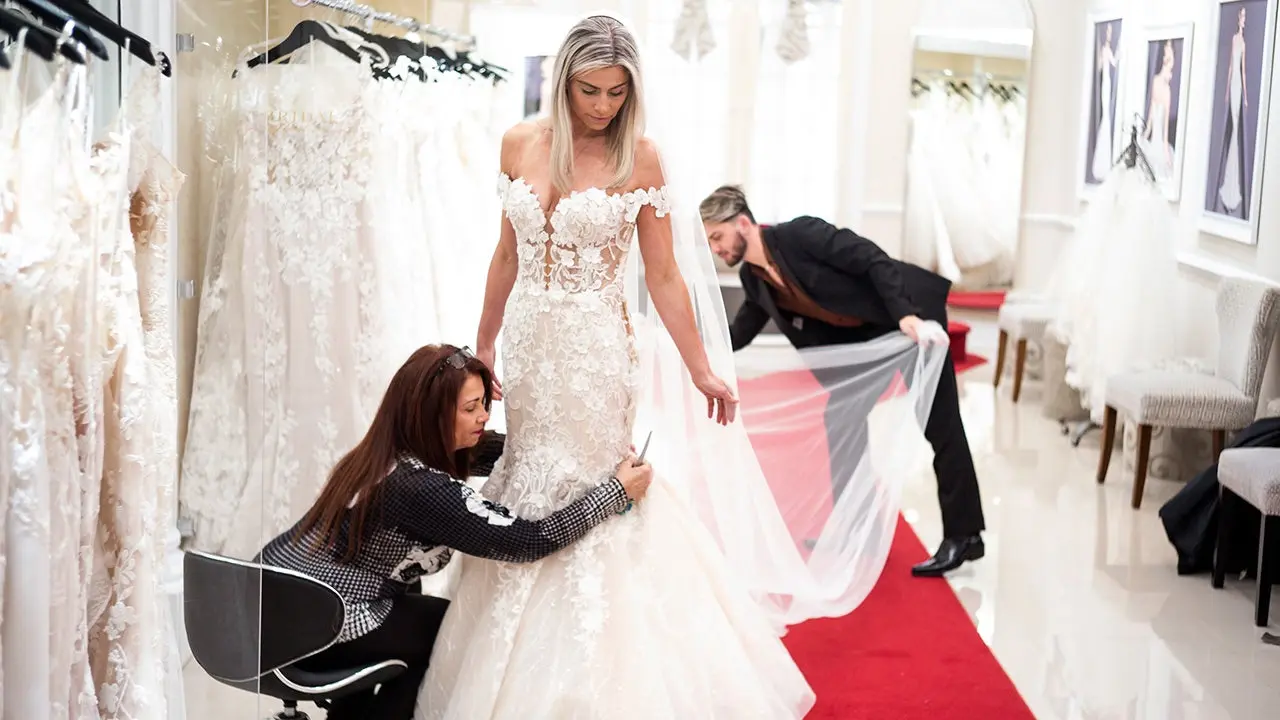
The cultural landscape of America is undergoing a quiet but profound metamorphosis, driven by the meteoric rise of GLP-1 agonists like Ozempic and Wegovy. These revolutionary medications have transcended their medical origins to reshape how we dine, shop, and perceive our physical selves. While their impact on grocery store aisles and fitness centers is well-documented, a surprising new frontier for this pharmaceutical revolution has emerged: the bridal salon. Once a sanctuary of timeless traditions, the wedding industry is currently grappling with a whirlwind of rapid physical transformations as brides nationwide undergo dramatic weight-loss journeys in the lead-up to their nuptials. For bridal boutiques, this shift has turned the delicate process of dress shopping into a high-stakes race against biology. Retailers find themselves carrying unprecedented levels of extra inventory, frantically expediting shipping schedules, and overwhelming their alteration departments to accommodate bodies that are literally shrinking by the week. What used to be a predictable, year-long journey of planning and fitting has become a dynamic, unpredictable sprint, challenging designers and shop owners to redefine how they help clients step toward the altar in the gowns of their dreams.
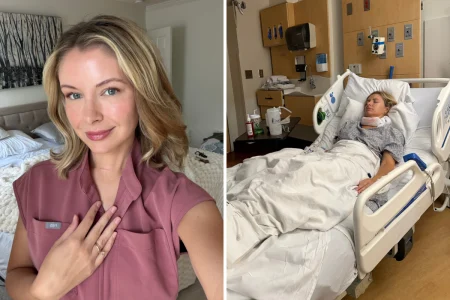
This medical phenomenon has introduced a fascinating, slightly anxiety-inducing new step to the dress-shopping experience: the weight-loss waiver. Across the country, bridal consultants are witnessing a psychological shift where brides are no longer shopping for the body they have, but for the body they confidently anticipate having in six months. In response, boutique owners are protecting their businesses by asking clients to sign official waivers acknowledging that the gown they are purchasing does not currently fit them. Consider the story of a New York bride who successfully shed fifty pounds journeying on a GLP-1 regimen. When she found her dream dress, she faced a stark reality: her consultants insisted she sign a waiver before they would order a gown with a waistline measured a full three inches smaller than her frame at the time of purchase. While such liability waivers have historically existed for brides planning modest diet programs, industry insiders note they have transitioned from rare anomalies to standard operating procedures. This legal and emotional contract highlights the high-stakes gamble of modern bridal fashion, where a woman’s vision of her future self is written directly into the invoices of her wedding prep.
To fully understand this seismic shift in the bridal world, one must examine the staggering statistics behind the GLP-1 boom. Articles and data, including a late 2025 survey conducted by the health-policy research organization KFF, show that approximately twelve percent of American adults—roughly one in eight—are currently utilizing a GLP-1 medication to manage weight loss, diabetes, heart disease, or other chronic health conditions. The study highlights a growing familiarity with these treatments, revealing that nearly one in five adults has taken them at some point, with women holding a significantly higher usage rate at fifteen percent compared to nine percent for men. This demographic reality translates directly into the population planning weddings. A survey by the digital wedding planning platform Zola revealed that an astounding ten percent of couples planning their 2026 weddings are actively using a GLP-1 drug, with an additional ten percent seriously considering starting a regimen before they walk down the aisle. With the Mayo Clinic reporting average weight losses of ten to fifteen percent—and sometimes tipping toward a transformational twenty percent—brides are experiencing anatomical shifts that completely reconstruct their skeletal proportions. This is not merely about shedding a few vanity pounds; it is a fundamental restructuring of the female silhouette on a massive national scale.
Recognizing this unprecedented shift in consumer behavior, David’s Bridal, the nation’s largest and most accessible bridal retailer, took decisive action by launching a groundbreaking “Fit Guarantee” initiative. Rolled out to support the wave of 2026 celebrations, this corporate promise aims to replace the deep-seated “fit anxiety” that plagues modern shoppers with a sense of peace and security. The guarantee promises that whether a buyer is searching for a wedding gown, a bridesmaid dress, a prom outfit, or a mother-of-the-bride ensemble, the retailer will work exhaustively to ensure a perfect fit, regardless of how much the wearer’s body changes between the purchase date and the main event. It represents a major cultural pivot: a recognition that in the age of rapid pharmaceutical body transformation, size is a fluid concept, but a perfect fit remains an absolute non-negotiable. By promising to swap sizes, expedite custom tailoring, or redesign details at the eleventh hour, the bridal giant is attempting to dismantle the shame and panic historically associated with fluctuating dress sizes, meeting brides exactly where they are—and where they might be tomorrow.
The operational reality behind this guarantee reveals just how drastically the traditional bridal timeline has been compressed. Kelly Cook, the Chief Executive Officer of David’s Bridal, admitted that the corporate pivot was born out of direct necessity to comfort brides navigating immense physical changes. While size anxiety has always hovered over the bridal process like a persistent specter, Cook observed that it has spiked to a fever pitch never before witnessed in the history of modern retail. This collective panic is written in the company’s internal metrics: David’s Bridal has experienced a staggering fifty percent surge in rush orders over the past year alone. Furthermore, twenty percent of their bridal clientele have abandoned the traditional nine-to-twelve-month dress-buying window, opting instead to purchase their gowns six months or less before their wedding day. By delaying their shopping, these brides hope to let their GLP-1 medications work for as long as possible before locking in a garment size. This dramatic shift requires a massive logistical ballet behind the scenes, forcing seamstresses and designers to work at breakneck speeds to ensure no bride is left without a perfectly tailored gown when her big moment arrives.
As the industry continues to adapt to this new normal, seasoned bridal consultants are rewriting the rules of style recommendation to help brides navigate their changing physical trajectories. Natalie Harris, an experienced bridal studio owner, advises brides who expect to continue their weight loss journeys to seek out “forgiving silhouettes” rather than rigid, structural gowns. Styles featuring adjustable corset-style backs, flowing A-line skirts, and flared waistlines offer a vital margin of safety, allowing the dress to gracefully shrink alongside the bride without requiring catastrophic and expensive alterations. Ultimately, the rise of GLP-1s in the wedding industry is about much more than fabric, measurements, and corporate guarantees; it is a deeply human story about the pursuit of confidence on one of the most significant days of a person’s life. As fashion and medicine continue to intertwine, the bridal world is learning to be more flexible, compassionate, and resilient. By trading rigid standards for adaptable designs, the modern wedding industry is ensuring that every bride can step into her future feeling beautiful, comfortable, and celebrated in a dress that honors her unique, evolving self.