

As the United States marches eagerly toward its historic 250th anniversary in the summer of 2026, the country finds itself standing at a fascinating crossroads of legacy, celebration, and contemporary culture. At the absolute heart of this upcoming milestone is the “Great American State Fair,” an ambitious sixteen-day exposition scheduled to run from June 25 to July 10, 2026, on the iconic, historic lawns of the National Mall in Washington, D.C. This massive undertaking is not merely another summer festival designed to pass the time; rather, it is envisioned as a sweeping, living tapestry of the entire nation, bringing together all fifty-six U.S. states and territories to showcase their unique localized heritage, agricultural achievements, technological innovations, and diverse regional cuisines. Organizers have planned a sprawling, deeply interactive experience where the National Mall is transformed into a classic American fairground, complete with traditional amusement rides, regional pavilions, historical exhibits, and interactive displays that represent the multifaceted identity of the modern American landscape. For more than two weeks, the physical heart of the country’s capital will serve as a bridge connecting citizens from rural heartlands and bustling coastal cities alike, offering a nostalgic yet forward-looking celebration of what it means to be American. This grand physical manifestation of national unity is tied directly to “Freedom 250,” a highly publicized, government-backed initiative aimed at coordinating large-scale public events to mark the commercial, cultural, and patriotic celebration of this crucial landmark year. By successfully blending the classic, down-home appeal of a local state fair with the grand scale of an international expo, the planners behind the Great American State Fair seek to reignite a sense of collective pride and shared destiny among the millions of visitors who are expected to make the journey to Washington during this historic summer.
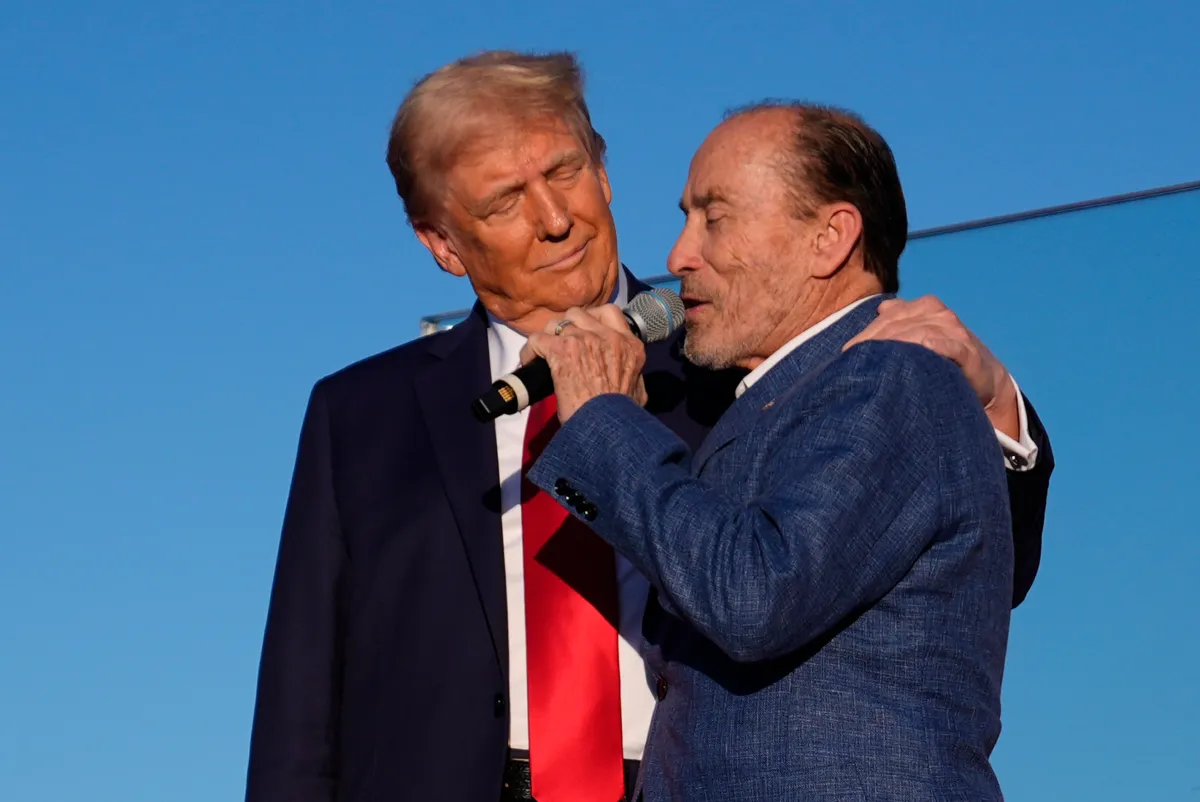
However, the path to launching this grand vision has not been without dramatic, highly publicized shifts, particularly regarding the highly anticipated Opening Ceremony scheduled for June 24, 2026. Initially conceived as a star-studded, pop-and-country-infused musical festival designed to draw massive, politically diverse crowds of music lovers, the event underwent a major structural transformation after a wave of artist cancellations left the entertainment lineup in administrative limbo. In response to these sudden cancellations, President Donald Trump stepped in to completely reshape the opening night, turning it into a high-octane, rally-style event headlined by his own address to the nation. This sudden pivot effectively replaces the conventional concert vibes of a typical festival with a deeply patriotic, traditionalist spectacle designed to stir the emotions of those in attendance. Taking to his social media platform, Truth Social, Trump enthusiastically announced that the legendary country music singer Lee Greenwood would introduce him, delivering a live performance of “God Bless the U.S.A.,” a song that has long served as the emotional anthem of Trump’s political rallies and public appearances. Adding a touch of classical, operatic majesty to the evening, acclaimed tenor Christopher Macchio is scheduled to perform a soaring, highly emotional repertoire including “Nessun Dorma,” “Hallelujah,” “Ave Maria,” “God Bless America,” and several other historic hymns. To complete this grand military-style salute, the formal ceremony will also feature the formidable musical talents of the United States Army Band, the United States Marine Band, and the Joint Armed Forces Chorus, ensuring that the visual and auditory landscape of the National Mall is filled with the timeless, booming sounds of American military and institutional pride, setting a distinctly formalized, official tone for the entire sixteen-day fair that follows.
The sudden, unexpected transformation of the concert lineup highlights the complicated relationship between modern art, entertainment, and politics in today’s deeply divided social landscape. The trouble began shortly after the initial entertainment roster was made public, as several prominent performers quickly withdrew their names, citing deep concerns that the underlying event had become far more overtly political than they were originally led to believe by the event’s booking agents. At least five major acts publicly stepped back from the roster, including beloved country singer Martina McBride and rock veteran Bret Michaels, both of whom found themselves caught in a public relations crossfire as fans and management debated the non-partisan nature of the festivities. Some represented artists claimed they were completely unaware of any formal political ties or administrative endorsements when they originally agreed to participate, illustrative of the incredibly delicate line public figures must walk in today’s hyper-partisan climate where every appearance is parsed for political alignment. Yet, the reaction among performers was not entirely uniform, revealing a complex web of personal priorities, commercial goals, and political viewpoints. Rapper and 90s icon Vanilla Ice openly stated his desire to remain on the bill, emphasizing a simple, heartfelt wish to perform for the American people regardless of political undertones, while country artist John Rich actively signaled his enthusiastic willingness to step up and join the Freedom 250 event following the mass departures of his peers. This tension between commercial performance, personal values, and public perception serves as a vivid reminder that celebrating a nation’s history is rarely a simple, unified task, as a milestone meant to foster universal unity inevitably becomes a mirror reflecting the country’s current social and political friction.
To understand the complexity of these celebrations, one must untangle the bureaucratic and ideological design between two similarly named organizations: Freedom 250 and America250. Though both entities are working diligently to mark the nation’s 250th anniversary in 2026, they operate under entirely distinct frameworks, funding sources, and organizational philosophies. America250 is the officially designated, nonpartisan nonprofit organization established by Congress through the U.S. Semiquincentennial Commission, tasked with overseeing the core, long-term national efforts to educate, inspire, and unite Americans as they reflect on their complex history. Freedom 250, on the other hand, is a specific, White House-backed initiative originally developed under the Trump administration as a dynamic, fast-moving public-private partnership. Designed to move quickly and tap into private funding, Freedom 250 was created to stage heavy-hitting, commercially appealing, and high-visibility spectacles like the state fair and the corresponding opening ceremonies. This dual-track approach to the semiquincentennial has created a fascinating contrast: while America250 tends to focus on broad-based historical education, institutional partnerships, and local community-driven programming, Freedom 250 emphasizes grand physical experiences, high-profile media events, and patriotic pageantry. This division not only reflects differing logistical strategies for managing a major national milestone, but also represents competing visions of how a country should look back on its past while looking forward to its future, showcasing how even the act of historical commemoration can become compartmentalized according to political and administrative structures.
Despite the organizational divides and shifting headliners in Washington, the broader calendar of events associated with the Freedom 250 initiative promises a vibrant, nationwide series of celebrations that stretch far beyond the confines of the National Mall. The festivities officially kick off on June 11, 2026, with the opening of the FIFA World Cup 2026 Fan Zone on the National Mall, offering an energetic, global viewing experience for soccer fans as the prestigious tournament gets underway across North America. As July approaches, the celebration expands geographically to honor different facets of American heritage, history, and rugged nature. On July 1, the spotlight shifts to North Dakota for the highly anticipated grand opening of the Theodore Roosevelt Presidential Library, a major cultural landmark dedicated to preserving the conservationist, leadership, and rugged individualist legacy of the nation’s 26th president. Just three days later, on July 3, the “Rushmore 250” celebration will light up the Black Hills of South Dakota with a deeply patriotic event centered on the monumental stone faces of presidential history. Independence Day itself, July 4, will feature a breathtaking dual showcase of national pride: on the water, the International Naval Review & Sail 250 will fill New York Harbor with a spectacular fleet of majestic maritime vessels, while back in D.C., the skies will ignite with the “Salute to America 250 Fireworks” during an unforgettable evening on the National Mall. For those unable to travel to these primary locations, the yearlong Freedom 250 Mobile Museum will traverse the country, bringing interactive historical programming and artifact exhibits directly to local neighborhoods, schools, and town squares from coast to coast.
Perhaps the most unexpected and dazzling highlight of the Freedom 250 calendar is an unprecedented athletic spectacle scheduled for Sunday, June 14, 2026: a full-scale Ultimate Fighting Championship (UFC) event hosted directly on the South Lawn of the White House. This historic gathering, which is projected to cost a staggering sixty million dollars to produce, marks the first time a major professional mixed martial arts event will take place on the highly secured grounds of the executive mansion. Laborers and logistics teams will undertake an extensive, arena-level construction project to erect a complete Octagon, comprehensive staging, television broadcasting rigs, and seating infrastructure designed to safely accommodate around five thousand on-site VIP attendees, while tens of thousands of additional spectators gather just outside the high-security perimeters. The main card fights are slated to take place under the evening stars, preceded by official weigh-ins the previous day, blending the raw, modern adrenaline of combat sports with the historic backdrop of global diplomacy. This bold fusion of pop culture, athletic competition, and political theater encapsulates the creative, unconventional ambition of the Freedom 250 initiative. As the United States prepares to mark its monumental two-and-a-half centuries of existence, these diverse events—ranging from traditional state fairs and historic library openings to high-octane political rallies and high-tech sports spectacles on the President’s lawn—illustrate a country that is constantly redefining how it honors its history, captures the world’s attention, and celebrates its enduring, complex national identity before a global audience.