


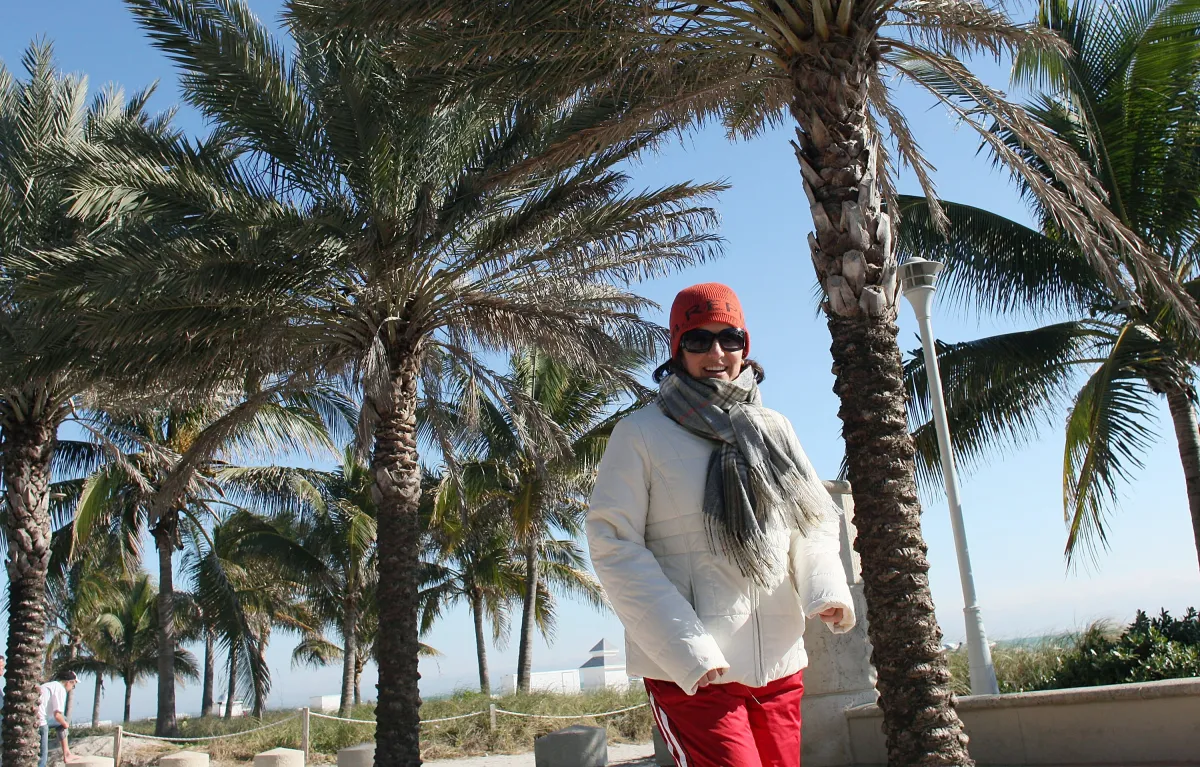
Florida has been bracing for some unseasonably chilly weather this week, with a significant freeze warning and cold weather advisory slated to hit large swaths of the state late Monday night. It’s a reminder of how quickly winter can sneak up on what many think of as an eternal summer paradise. The National Weather Service (NWS) has issued alerts across the northeast, northern, central, and southwest quadrants of the Sunshine State, all in effect until 9 a.m. ET Tuesday. For residents who packed away their winter coats months ago, this feels like a rude awakening. Imagine heading out for a late-night stroll in Daytona Beach or Jacksonville, only to find yourself shivering under unexpectedly frosty skies. The warning isn’t just about discomfort; it’s about safety, urging people to stay indoors and protect themselves from the biting cold that could linger until morning light.
Specific cities are on high alert for this freeze event. The freeze warning covers Jacksonville, where the chill might feel particularly sharp due to its coastal exposure; Lake City and Gainesville in the northern interior; Gainesville again standing out as a university hub where students might need to bundle up unexpectedly; Ocala with its horse farms; Daytona Beach, usually bustling with beachgoers; Orlando, the heart of theme park magic; Sanford in the shadow of the Mouse; Sebring and Okeechobee in the central regions; and Fort Myers, a gateway to the Gulf. Meanwhile, the cold weather advisory extends to Naples, Boca Raton, West Palm Beach, Tallahassee, Perry, Tampa, Sarasota, Melbourne, Vero Beach, and Stuart. These areas might see temperatures dipping just above the freeze threshold, but still low enough to make life uncomfortable. Picture families in Tampa wrapping up in extra blankets, or retirees in Naples canceling their evening walks—it’s a statewide shift from flip-flops to fleece.
Temperatures are expected to plummet dramatically, painting a stark contrast to Florida’s typical balmy outlook. In northern parts of the state, readings could sink as low as 26 degrees, feeling like a full-blown winter storm for those accustomed to milder vibes. Central Florida faces lows around 29 degrees, with wind chills potentially dragging that down to a chilling 22 degrees. Southwestern regions, including places like Naples and Fort Myers, might hit 31 degrees at their coldest, but the wind could make it feel even sharper. This isn’t just about numbers on a thermometer; it’s about how the cold infiltrates daily life. Extra layers under that Florida sun might seem odd, but as the mercury drops, stories of past freezes remind us: pipes freezing, morning commutes delayed by frosty roads, and gardens wilting under unexpected ice. For many Floridians, this is a wake-up call to check car fluids and secure outdoor plants, turning routine evenings into impromptu preparedness marathons.
The NWS has stressed the real dangers of this cold snap, especially as wind chills could drop to 25 degrees or lower. Hypothermia and frostbite are serious risks, particularly for those caught unprotected. Tender vegetation and outdoor pets are vulnerable too, with warnings to bring in plants, cover gardens, and ensure animals have safe, warm shelters. Young children, the elderly, and the homeless are singled out as high-risk groups, prompting calls for community action like checking on neighbors or offering blankets. Imagine a grandparent in Vero Beach huddling for warmth, or a family in Stuart keeping pets indoors—this humanizes the warning into a story of care and vigilance. By taking measures like wearing hats and gloves or staying hydrated, Floridians can ward off the chill and focus on the brighter side, knowing warmer days are ahead.
Visual aids like maps from the NWS show the exact locales facing this plunge, highlighting pockets where the freeze is most intense. These charts are essential for anyone tracking the weather, dividing the state into warned and advised zones. But beyond the visuals, meteorologists are sharing personal insights to help folks navigate. NWS Meteorologist Jennifer Tate spoke with Newsweek, noting that drops below freezing aren’t unheard of this early in winter, but for newcomers or those who migrated south for milder climes, it can come as a shock. “Stay inside if possible, and dress in layers,” she advises, emphasizing gradual adaptation. This advice turns abstract warnings into practical life hacks: think of it as layering clothing like building a cozy nest, ensuring every outing feels manageable. For long-time residents, it’s a chance to share tips with newer arrivals, fostering that sense of Florida community even during trying times.
Finally, local weather outlets are chiming in, amplifying the message across social platforms. For instance, NWS Tallahassee posted on X (formerly Twitter) about the “cold night in store,” with temperatures and wind chills falling into the low 20s. They issued a Freeze Warning for hard freezes in Alabama and Georgia counties, paired with a Cold Weather Advisory for Florida spots, urging everyone to “wear warm clothes tomorrow morning!” Using hashtags like #FLwx, #GAwx, and #ALwx, it’s a call to action that resonates digitally. This post encapsulates the event’s essence: a temporary dip in the tropical thermometer that requires preparation, but also hints at the eventual return of sunshine. As Floridians huddle through the night, stories will emerge—of innovative ways to stay warm, community meals shared in faith halls, or simply the quiet joy of a hot cup of coffee defrosting chilled fingers. It’s a fleeting chapter in the state’s ever-temperamental weather tale, one that binds people together in resilience. By the time morning dawns, with temps climbing back up, this freeze warning will likely be a memory, but a valuable one for reminding us all of nature’s unpredictability and the warmth found in human connection.