



The Rise of a Basketball Phenom
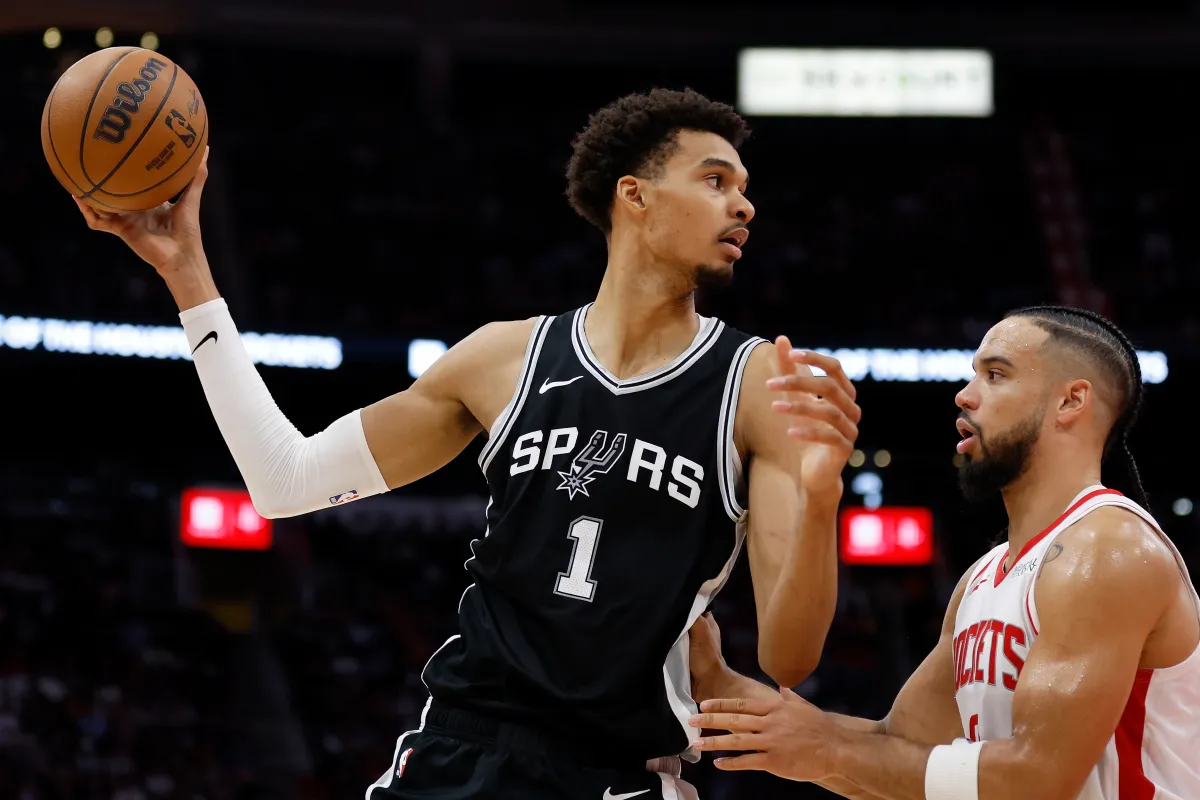
At just 22 years old, Victor Wembanyama stands as a towering figure in the NBA, quite literally, dominating the league with his 7-foot-4 frame and uncanny skills that blend grace with ferocious intensity. Imagine stepping onto the court for the first time as a global sensation, drafted No. 1 by the San Antonio Spurs after revolutionizing the international stage in France. Wembanyama’s journey is one of rapid ascent, where every performance feels like a highlight reel in the making—spin moves that leave defenders flailing, blocks that defy gravity, and rebounds plucked from the air like gifts from the hoop gods. Despite already securing unanimous Defensive Player of the Year honors and positioning himself as a top MVP contender in his third year, there’s a palpable sense that we’re only scratching the surface of what this young giant can achieve. It’s like watching a superhero in his early comic arcs: powerful now, but with untapped reserves of strength waiting to explode. Fans and analysts alike marvel at how, even with his accolades, Wembanyama’s numbers—both in stats and sheer impact—hint at an evolution that’s far from complete. He plays with a mix of humility and hunger, often downplaying his abilities in post-game interviews, saying things like, “I’m just trying to contribute,” while his actions speak of legends in the making. This season, he’s averaged over 20 points and 12 rebounds, but whispers in locker rooms suggest doubling those could be conservative predictions for what’s next. Picture his parents watching from afar, proud of their son’s blend of French finesse and American hustle; or consider the teammates who rave about his dedication in practice, turning team gatherings into private sessions where he dissects plays like a chess grandmaster. The human side emerges in his off-court interests—dives into video games, family roots in Haiti and France, and a quirky sense of humor that lightens the load of expectation. Yet, beneath the smiles, there’s a drive to redefine greatness, proving that youth and potential can rewrite history before the ink dries on his rookie contract.
Brooks’ Bold Forecast: A Dynasty in the Making
Enter Dillon Brooks, the fiery forward for the Phoenix Suns, who recently took to a livestream to unleash a prediction that stopped fans in their tracks: “Once Wemby gets his first MVP, you probably won’t see anyone else get it. You’re not going to see another person get it.” It’s the kind of bold proclamation that reverberates through basketball circles, humanizing a sport obsessed with debates about legacies and streaks. Brooks, no stranger to heated rivalries—remember his clashes with guys like Nikola Jokic or Ja Morant?—spoke with the conviction of someone who’s seen the grind firsthand. He elaborated, “His numbers are going to go up every year,” painting a picture of Victor not just as a player, but as an evolving force, much like how LeBron James escalated his game to dominate eras. Imagine Brooks, perhaps hours after a Suns practice, camera rolling, enthusiasm bubbling over as he envisions Wembanyama hoisting that MVP trophy amidst champagne showers, grinning through a sea of confetti. Brooks ties this vision to tangible growth: better understanding of the game’s nuances, enhanced conditioning to minimize injuries, and an eye for clutch moments that elude most at his age. It’s humanizing because Brooks admits he’s not just rooting—though he is, as a fellow young star—but awestruck by Wembanyama’s toolkit: the rim-protection that makes opponents think twice about driving, the stretch plays that open space for creativity. Yet, Brooks avoids sounding like a blind fanatic; he alludes to the hard work behind it, recalling stories of players who fizzled under pressure. For Wembanyama, this praise must feel like a double-edged sword—motivating affirmations from a peer versus the weight of eternal expectations. Fans latch onto it, sharing memes of “Wemby’s Dynasty” jerseys, while analysts ponder if it’s hyperbole or herald. Personally, as someone entrenched in the game, I see the truth in Brooks’ words: Wembanyama’s ceiling isn’t a plateau but a launchpad, and discouraging others from MVP contention speaks to an unprecedented blend of blocking, scoring, and basketball IQ that could reinvent the center position forever.
The Playoff Grind: Spurs’ High Stakes Battle
The San Antonio Spurs, led by their young prodigy, are locked in a gripping second-round playoff series against the Minnesota Timberwolves, trailing at home 3-2 heading into Game 6. It’s a narrative dripping with drama—the underdog story of a franchise rebuilding around a once-in-a-generation talent battling LeBron-style experience from players like Anthony Edwards and Rudy Gobert. Wembanyama’s dominance in Game 5 was nothing short of mesmerizing: 27 points and 17 rebounds, a performance that pivoted the series back to San Antonio despite being ejected in the chaotic Game 4. Reflect on the humanity of it—getting ejected for a bad foul call, sitting courtside in frustration, stewing over what-ifs while teammates battled on. Then, re-emerging like a phoenix, he took over, dunking with authority, stealing passes, and sharing assists, turning anxiety into adrenaline. Post-game, Victor spoke with refreshing candor: “I was fresh, feeling good,” he told ESPN, acknowledging the butterflies of playoff intensity as normal, almost exciting. It’s this relatability that endears him; at 22, he’s not a seasoned vet masking emotions but a kid channeling nerves into fuel. Imagine the Spurs’ locker room before tipoff—huddles fueled by high-fives, pep talks from coaches emphasizing trust in the process, and Wembanyama leading stretches, his long limbs towering in camaraderie. Off the court, thoughts drift to family back in France, sending texts of luck, or gamers tuning in worldwide, Wembanyama’s avatar mirroring his real-life jumps. The stakes escalate with Game 6 looming on Friday night at 9:30 p.m. ET in Minneapolis, where the Timberwolves’ home crowd could unleash deafening energy. Winning means advancing, securing redemption, and proving this squad’s resilience; losing could extinguish the season, stabbing at the heart of a young team’s dreams. Constitutes the emotional rollercoaster of playoffs—the sweat-soaked jerseys, ice baths for recovery, late-night film sessions analyzing minutiae. Wembanyama embodies the hope, making every possession feel charged with possibility.
Next Chapter: A Potential Showdown with Thunder
If the Spurs can surge to victory in Game 6, they’ll punch their ticket to the Western Conference Finals, facing the Oklahoma City Thunder in what promises to be a clash of eras—Wembanyama’s boundless youth against Shai Gilgeous-Alexander’s rising stardom and the Thunder’s fast-paced chaos. Picture the buzz: arenas electrified, fans debating hypotheticals on social media, analysts grading the matchup like a heavyweight fight. Wembanyama versus the Thunder would be a test of mobility and defense, where his length haunts Luka Doncic-speed guards, but their aggression forces quick decisions. It’s humanizing the game—Victor, away from headlines, might indulge in a quiet meal or game with skills after practice, drawing inspiration from his multicultural upbringing, blending French openness with American ambition. The Spurs organization, rebuilt under savvy management, rides this wave, owner Robert Sarver’s investments paying off in ticket sales and global merch. For fans, it’s a communal event: barbecues with jerseys, arguments over who converts more—Wembanyama’s elite defense or SGA’s scoring outbursts. Remember past playoffs; series like this birth rivalries, inspiring stat-trackers to imagine triple-doubles and block parties. Yet, beneath the excitement, there’s caution—playoff injuries looming, the mental toll on a 22-year-old. Wembanyama’s stock rises with each game, attracting endorsements that fund dreams for his family, transforming basketball into a vehicle for change. If they face the Thunder, it’s not just about wins but legacy-building, echoing pioneers like Dirk Nowitzki in reeving the Spurs’ glory. The human element shines through in player testimonials: Teammates sharing how Wembanyama’s energy lifts spirits, turning solos into symphonies. Overcoming the Timberwolves would symbolize growth, proving detractors wrong, and setting a stage for narratives that inspire kids picking up a ball, dreaming of similar heights.
Reflecting on the Journey: Unfulfilled Potential and Future Glory
Despite his rapid ascension, Wembanyama’s story is one of untapped potential, a canvas yet to be fully painted. At 22, with Defensive Player of the Year already in hand and MVP whispers growing louder, he resembles a diamond in the rough—polished but with facets hiding vast brilliance. Experts speculate on what full maturity might bring: a stat line rivaling Shaquille O’Neal’s dominance, dunks celebrating friendships, or defenses silencing superstars. It’s poignant to think of the sacrifices—years in France honing skills, adapting to Spurs culture, balancing fame with identity. Wembanyama often reflects on cultural roots, Haiti-born yet French-educated, infusing games with a global flair that unites diverse fans. Brooks’ prediction fuels this; envisioning an MVP drought for others suggests Wembanyama’s leap could shift paradigms, relegating past stars to footnotes. Humanely, it’s about the grind—the bruised knees, long flights, media scrutiny transforming athletic talent into public personas. Stories circulate of his kindness: visiting fans, leveraging platform for causes like education. The playoffs amplify this, each series a chapter in celebrity, where Wembanyama faces media like family reunions, sharing excitement rather than ego. If he fulfills this promise, it’ll redefine longevity—players retiring at 22 having won rings instead of burned out. Yet, patience is key; rookies often plateau before soaring. Personal anecdotes from contemporaries reveal admiration—how Wembanyama’s humor masks seriousness, turning practices into laughter. Ultimately, his arc symbolizes hope: that with time, a young man can evolve from prodigy to icon, inspiring generations to chase dreams unburdened by boundaries.
The Bigger Picture: Wembanyama’s Impact on Basketball and Beyond
Looking beyond the playoffs, Wembanyama’s influence extends like ripples on a pond, reshaping the NBA landscape. At an age when most are learning, he’s teaching—about versatility, defense’s value in an offense-heavy era, and blending modern analytics with old-school toughness. Brooks’ vision of monopolizing MVPs isn’t just praise; it’s a nod to paradigm shifts, where big men captivate as much as guards dazzle. Humanly, ponder the emotional cargo: stepping into arenas as a hero, handling losses with grace, celebrations with modesty. His journey connects cultures—French elegance meeting Spurs’ grit—fostering inclusivity in a global sport. Economically, he’s a goldmine, boosting ratings, jerseys sales mitigating league slumps. Socially, Wembanyama advocates for mental health, drawing from experiences, encouraging openness. In playoffs, this matures: facing Timberwolves’ intensity builds character, just as advancing would inspire narratives of perseverance. If matched against Thunder, audiences witness evolution live, stats feeding narratives. Yet, it’s familial—parents celebrating quietly, teammates forming bonds. Broader implications arise: Wembanyama normalizing untraditional builds, like tall, thin centrers thriving via finesse over bulk. Detractors worry burnout, but optimism prevails; his momentum suggests sustained excellence. Personally, as a spectator, awe persists—watching him leapfrog norms, humanizing basketball’s spectacles into stories of ascent. In essence, Victor Wembanyama isn’t just a player; he’s a phenomenon redefining possibilities, ensuring his first MVP might herald an era where others chase his shadow, forever transformed by his presence.