


The Unexpected Turn in a Shocking Incident
Imagine waking up to news that feels straight out of a thriller, where a seemingly ordinary guy from California tried to pull off an assassination attempt on the President at a glittering dinner event. That’s the world we’re living in right now, with Cole Tomas Allen, a 31-year-old from Torrance, California, at the center of it all. Just last Saturday, during the White House Correspondents’ Association Dinner at the Washington Hilton, Allen allegedly dashed through security with a shotgun, firing shots in what prosecutors call a brazen attempt to kill Donald Trump. But here’s a twist that adds a layer of humanity to this intense drama: according to a court filing submitted on Sunday, Allen is no longer on suicide watch at the Correctional Treatment Facility in the D.C. jail. His federal public defenders withdrew an earlier motion to remove him from that status, noting it’s now pointless. It’s a small victory in his legal battle, signaling perhaps a stabilization in his mental state amid the chaos. Allen’s case has captured the nation’s attention, not just because it involves a sitting president, but because it raises profound questions about intent, mental health, and the pressures of modern life. Born in 1993, Allen graduated from Caltech with a degree in mechanical engineering in 2017 and was pursuing a master’s in computer science at Cal State Dominguez Hills until 2025. He worked part-time as a tutor for a test prep company and dabbled in amateur video game development, suggesting a life filled with intellectual pursuits and quiet ambitions. On that fateful April 25, Allen sent a manifesto to his family, identifying as a “Friendly Federal Assassin” and venting frustrations against the Trump administration – a document that paints him as someone grappling with deep-seated disillusionment rather than a cold-blooded killer. Authorities say he sprinted past metal detectors and guards, weapon in hand, targeting the event below where Trump, Vice President JD Vance, and cabinet members had just been evacuated unharmed. Yet, Allen himself ended up injured, not from gunfire, but from the scuffle. It’s hard not to feel a pang of empathy thinking about this young man, who seemed worlds away from political violence until that moment, now facing a fate that could include life in prison. The incident disrupted a night meant for celebration and schmoozing among journalists and leaders, turning it into a scene of panic and heroism, with Secret Service agents leaping into action. As the case unfolds, we’re reminded that behind the headlines are real people – victims, would-be assassinators, and families piecing together what went wrong. No shots hit their primary target, thank goodness, but one buckshot pellet from Allen’s Mossberg pump-action shotgun lodged itself in a bullet-resistant vest worn by a Secret Service officer, a detail confirmed by U.S. Attorney Jeanine Pirro on CNN. That officer survived, a testament to the protective measures in place, but the close call underscores the fragility of safety in high-profile settings. For Allen, this suicide status update feels like a small step toward reclaiming some normalcy in custody, potentially easing the path for evaluations and defenses rooted in his mental health. It begs questions: What drives a person with his education and background to such an act? Was it a cry for help masked as rage? As the public digests this, the story humanizes the broader themes of isolation, grievance, and the dark alleys of radicalization, urging us to look closer at those on the edges of society.
The Broader Implications of Mental Health in High-Stakes Legal Battles
When news broke about Cole Tomas Allen’s attempt on President Trump’s life, it wasn’t just a headline; it was a stark reminder that mental health intersects with every corner of high-profile crime. The recent court filing from his federal public defenders – Tezira Abe and Eugene Ohm – provides a fleeting glimpse into his current state, withdrawing a motion to remove him from suicide watch because, as they put it, the issue is moot. This update comes in a case that’s already a whirlwind of legal maneuvers, where Allen’s defense has hinted at pushing for pre-trial release, and his mental well-being could play a pivotal role in shaping arguments about his competency and intent. Imagine being thrust into the spotlight as the accused in what might be the most scrutinized federal prosecution this year – facing charges that carry a life sentence under 18 U.S.C. § 1751(c) for attempting to assassinate the president. On top of that, he was hit with firearms counts for discharging a weapon during a violent crime. Allen’s already agreed to stay jailed while the case preps, no plea entered yet, but the suicide watch designation hints at the psychological toll of confinement. It might have stemmed from his manifesto, where he poured out grievances against the administration without naming Trump directly, raising questions about whether his actions were deliberate or a chaotic outburst. For someone with Allen’s profile – a bright mind from elite schools, delving into engineering and tech – it’s poignant to consider how personal frustrations could boil over into something this extreme. The defense team has pushed back, arguing the government’s case relies on speculative inferences about his intentions, portraying him as a troubled individual rather than a calculated threat. In court last Thursday, they consented to his detention but signaled future releases aren’t off the table, perhaps influenced by his improved mental status. This aspect of the case brings humanity to light, highlighting how custody conditions can exacerbate or alleviate mental struggles. Officers and therapists monitoring inmates like Allen perform a critical, underappreciated role, balancing safety with rehabilitation. As pretrial hearings loom, this update suggests Allen is coping, maybe engaging in therapy or self-reflection, which could humanize his defense narrative – framing him less as a monster and more as a product of unchecked emotional turmoil. It also prompts broader societal reflection: In an era of political polarization, how do we spot and address individuals spiraling toward violence? The filing, while brief, underscores the legal significance of mental health records, which might influence expert testimonies or plea deals. For families of accused like Allen, this must be a double-edged sword – relief that he’s stable, but anxiety over an uncertain future. Ultimately, it reminds us that behind every chargesheet is a person with a backstory, vulnerabilities, and perhaps untapped potential for change, urging empathy even in the face of unforgivable actions.
Decoding the Court Document’s Subtle Messages
Delving into the nitty-gritty of the court filing reveals layers that go beyond the surface drama, painting a picture of Allen’s evolving legal story with strokes of humanity. Submitted to U.S. Magistrate Judge Moxila A. Upadhyaya, the document from his defenders doesn’t dive into the whys and hows of his suicide watch – why it was imposed, how long it lasted, or what exactly changed to lift it. It’s a deliberate omission, focused instead on practicalities: requesting to cancel a May 4 hearing at noon. This avoidance speaks volumes, hinting at sensitivity around his mental health details, which are shielded from public eyes to protect him and maintain procedural integrity. In legal terms, such filings are chess moves in a high-stakes game, but humanizing them, one can imagine the exhaustion of the defense team, working tirelessly behind the scenes to advocate for their client amid intense media scrutiny. Allen, confined in a facility designed for inmates needing treatment, is portrayed not just as a defendant but as a human being navigating profound distress. The manifesto he sent pre-assault, filled with his self-appointed title of “Friendly Federal Assassin,” exposes grievances that might stem from a sense of alienation or injustice. Perhaps job frustrations as a tutor, academic pressures post-Caltech, or disillusionment with political landscapes fueled his downward spiral. By withdrawing the motion as moot, his lawyers signal progress in his condition, potentially opening doors to rehabilitation-focused arguments. This isn’t about excusing the act but understanding the context – why a man in his prime, with advanced degrees and creative outlets like game development, would resort to violence against a symbol of power. Surveillance footage shows him charging past checkpoints, heart pounding, embodying a momentary lapse from reality driven by rage. The document’s brevity contrasts with the emotional weight it carries, reminding us of the unsung defenders who push for fair handling, even for polarizing figures. For the judge reviewing this, it’s not abstract; it’s a decision impacting lives, including the Secret Service officer grazed by buckshot and the families on both sides. As evidence mounts – like ballistic confirmations tying pellets to Allen’s shotgun – the filing underscores mental health as a cornerstone, potentially swaying outcomes toward evaluations that explore rehabilitation over retribution. In human terms, it’s a glimmer of hope in a dark tale, showing that systems can adapt to an individual’s changing needs, fostering paths toward stability and justice.
The Gravity of the Charges and Emerging Evidence
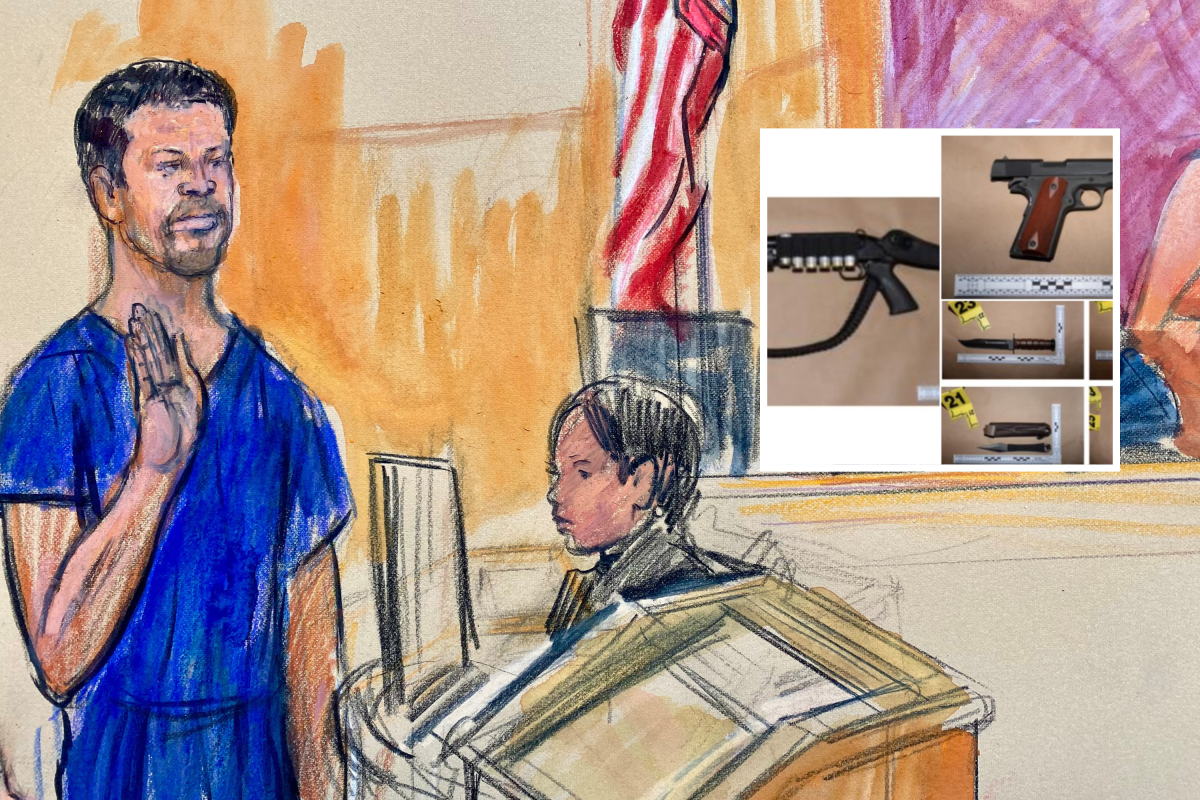
The heart of Cole Tomas Allen’s ordeal lies in the charges leveled against him, each carrying echoes of tragedy and heroism, woven into the fabric of American history. Attempted assassination under federal law isn’t taken lightly; it’s a count that demands life imprisonment if proven, reflecting society’s zero-tolerance stance on threats to leadership. Paired with firearms violations, including discharging a weapon amid violence, it paints Allen as facing a mountain of legal hurdles, his life potentially forfeited before his time truly begins. Yet, humanizing this, we see not an evil archetype, but a 31-year-old with aspirations – a tutor shaping young minds, a developer crafting virtual worlds, a graduate wielding engineering tools and coding skills. His manifesto, dispatched moments before the act, bursts with anger toward the Trump administration, identifying him as a “Friendly Federal Assassin” without pinpointing the president. Prosecutors argue it’s intent made manifest, but defense disputers see speculation, questioning whether his words equaled lethal plans. Then there’s the evidence: U.S. Attorney Jeanine Pirro’s CNN revelation on Sunday, backed by forensic digs, confirming a Mossberg pump-action shotgun buckshot lodged in a Secret Service agent’s vest – “definitively his bullet,” as she stated. That officer, clad in protective armor, emerged unscathed, a hero in the flesh guarding those in power. Allen himself? Injured in the fray, but not by bullets, perhaps in the chaotic sprint or scuffle. This detail adds vulnerability; he wasn’t the armored predator in movies, but a man hurting himself more than others. As ballistic analyses continue, each pellet unearthed strengthens the narrative of peril averted, underscoring the bravery of security forces evacuating the WHCA Dinner below – Trump, Vance, and cabinet members whisked to safety amid what could have been carnage. For Allen’s family in California, receiving that manifesto must have been horrifying, a window into a loved one’s mental break. The torrent of grievances might reveal a person overwhelmed by societal divides, perhaps feeling powerless as a part-timer in tests and games. It’s a cautionary tale of how isolation breeds extremism, reminding us to check on those we know. With no plea yet and detention agreed upon, the charges loom large, but emerging facts like the vest penetration highlight precision over panic, potentially aiding defenses questioning premeditation. In essence, these counts aren’t just legal; they’re emotional landmarks, showing how one fleeting decision ripples through lives, urging reflection on the roots of such despair.
Unpacking the Defense’s Stance and Allen’s Personal Odyssey
At the core of this gripping saga is Cole Tomas Allen’s defense, a team striving to peel back layers of assumptions and spotlight the man beneath the mayhem. In earlier filings, his lawyers challenged the prosecution’s foundation, labeling it rife with speculative inferences about intent – noting Allen’s writings never uttered Trump’s name, leading to theories built on guesswork rather than concrete proof. “More questions than answers,” they assert, humanizing a case that thrives on clarity yet drips with doubt. During a succinct Thursday hearing, they consented to his jailing, but the.subtle door ajar for future release pleas indicates flexibility, perhaps swayed by his removed suicide watch, signaling mental fortitude regained. Allen’s background amplifies this: Torrance raised, Caltech educated in 2017 for mechanical engineering, then Dominguez Hills for a 2025 master’s in computer science – a trajectory of intellect and drive, supplemented by tutoring gigs and hobbyist game crafting. Far from a hardened criminal, he appears as a recluse, channeling frustrations into a manifesto venting off-grid avocations, maybe rooted in isolation or policy disenchantment. That Saturday night footage captures a sprint through security, metal detectors beeped, guards bypassed – a blur of adrenaline, not heroism. The attack’s miss spared lives, but etched trauma on survivors, while Allen’s injury depicts a victim of his own frenzies. Defense pushes for exculpatory angles, perhaps insanity or diminished capacity, painting him sympathetically – a prodigy derailed by unseen demons. As investigations persist, psychological deep dives could unearth triggers: academic burnout, job woes, or ideological fervor fermenting in solitude. Families of assailants often grapple with stigma, balancing shock with unconditional support, seeking therapies that might have forestalled disaster. In empathizing, we ponder Allen’s daily life pre-April 25th – studios of code, tutoring sessions inspiring students, perhaps late-night jams on games. His “Friendly Federal Assassin” moniker feels ironic now, a desperate scream rather than a call to arms. Defense’s narrative invites compassion, turning a notorority into a cautionary figure, urging interventions before crises erupt. If released, he’d recede into society, but his legal shadow endures, a reminder to nurture mental weathervanes amid storms.
Looking Ahead and Notes on Compassion in Crisis
Peering into the future, Cole Tomas Allen’s case promises more twists, with his next federal court date on the horizon, ushering in pretrial hearings that could unveil fresh charges or strategies. As probes persist, forensic and ballistic previews might reveal overlooked details, sealing fates or sparking acquittals. For Allen, stable post-suicide watch, this means progress toward evaluations probing his psyche, potentially bolstering defenses on competency. Humanly, it’s a crossroads: life behind bars or chances at reform, his intellect – honed at Caltech and Cal State – a beacon of untapped redemption. Families and loved ones likely oscillate between dread and hope, cherishing memories of the tutor, the gamer, not the headline. The Trump escape? A testament to vigilance, but the officer’s brush-with-danger personalizes peril. As America watches, the affair stirs debates on security, radicalization, and empathy in justice. For those grappling with dilemmas amid societal pressures, recall the lifeline: If suicide weighs heavy, dial 988 for the Suicide and Crisis Lifeline, text “988” to 741741, or visit 988lifeline.org – beacons of support in dark times. Through Allen’s lens, we learn to connect rather than condemn, turning potential tragedies into teachable moments. Ahead, outcomes will shape legacies, urging kinder dialogues on mental health. In this whirlwind, humanity prevails when we reach out, fostering healing over harm. May future chapters rewrite stories from despair to durability, inspiring collective care.