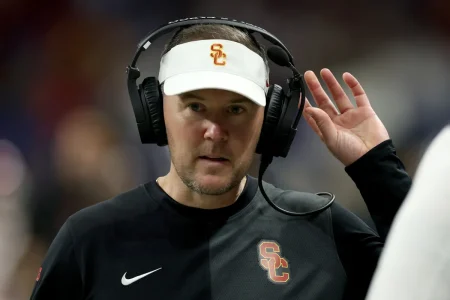




As the countdown to the 2026 NFL Draft intensifies, football fans across the globe are buzzing with anticipation. It’s like gathering around for the biggest talent show in sports, where dreams are made and careers launched. All 32 teams are scrambling, tweaking their wish lists, and plotting moves to fill those crucial gaps on their rosters. For the Los Angeles Chargers, this draft represents a golden opportunity to elevate their game. Under the charismatic leadership of head coach Jim Harbaugh, who’s brought a fiery passion and gritty determination to the team, the Chargers aren’t just surviving in the AFC; they’re aiming to dominate. Imagine coaches huddling late into the night, poring over player profiles and game tapes, envisioning how a fresh wave of talent could turn them into playoff contenders. Harbaugh, with his no-nonsense background from Stanford and Michigan, has instilled a culture of toughness and innovation. The team’s recent seasons have shown promise, with flashes of brilliance from players like Justin Herbert, but they’ve grappled with inconsistencies on defense. The draft is their chance to build that steel wall up front, the kind that intimidates opponents and secures those game-changing stops. Fans can feel the electric energy in the air, from family barbecues where dads debate rookie potentials to social media threads lighting up with hot takes. It’s a reminder that football is more than just a game—it’s a communal experience that unites us, sparking conversations about loyalty, strategy, and the thrill of the unknown. The Chargers, perched with the 29th pick, are positioned to act boldly, potentially reshaping their identity in ways that echo the bold picks of past drafts, like landing Ladainian Tomlinson back in the day. In this human tapestry of hopes and uncertainties, every team dance on draft day is a testament to the perseverance of coaches, players, and supporters who bet everything on these young stars. Yet, it’s a leap of faith, where one wrong call could haunt them for years, or a perfect fit could inspire chanting crowds and division titles. For the Chargers, the stakes feel personal, like a family rooting for a child to succeed—nervous, proud, and utterly invested in the process. As mock drafts flood the internet, predictions swirl like leaves in a fall breeze, each one painting a picture of what could be. And for Los Angeles, this draft isn’t just about adding players; it’s about crafting a legacy that resonates through the hallowed halls of NFL history.
In the midst of all this excitement, Chad Reuter stepped into the spotlight on Friday, April 17, with his comprehensive 2026 NFL Draft predictions on the NFL’s official website. It’s a role he plays with the precision of a seasoned scout, blending analytical insight with a storyteller’s flair. He made it clear that his projections were crafted without the noise of any last-minute frenzy—trades, injuries, or sudden shifts in team interest—that often redefine the landscape days before the event. “Since this mock is released nearly a full week before the draft begins, it won’t include last-minute information reported about prospects and teams’ potential interest in them,” he explained, grounding his work in foresight rather than hindsight. What makes his piece stand out is the dynamism he weaves in, predicting not just picks but the fluidity of the draft with four first-round trades that could scramble the order like a deck of cards. He invites readers to think broadly, spotting hidden gems beyond the obvious needs, and emphasizing where teams might unearth value in positions begging for upgrades. It’s not just data; it’s a human insight into the chess game that is the NFL Draft, where emotions run high and surprises lurk around every turn. Reuter’s voice feels approachable, like a friend sharing insider gossip over coffee, breaking down the chaos into bite-sized, relatable nuggets. For instance, he teases the ripple effects of trades, how one swap can set off a chain reaction, empowering underdogs or challenging favorites. Fans love this transparency because it demystifies the process, making us feel part of the inner circle. In a world of instant replays and highlight reels, his mock serves as a narrative thread, connecting dots between college glory and professional potential. And for the Chargers, his analysis brings a layer of realism, reminding everyone that drafting isn’t solitary—it’s an interplay of strategy, luck, and human intuition.
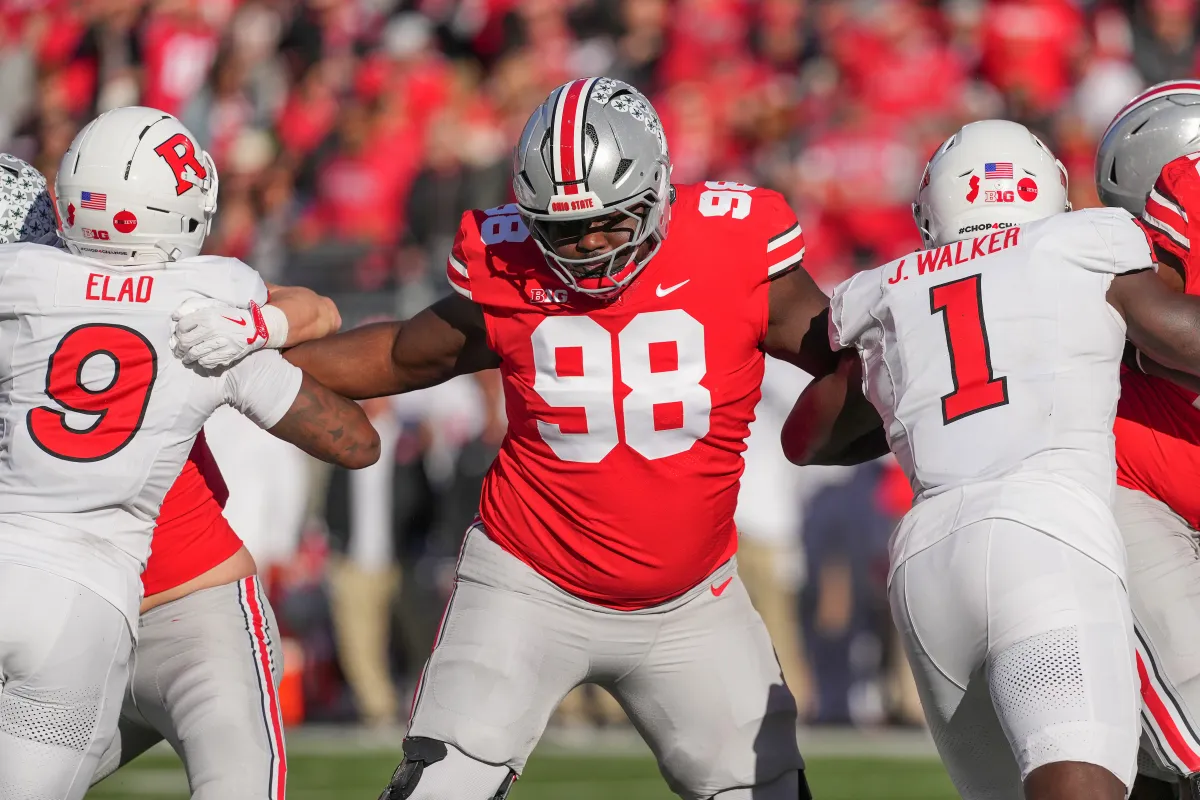
Now, for the pick that has everyone in Los Angeles perking up ears, Reuter projects the Chargers using their No. 29 slot to secure Ohio State defensive tackle Kayden McDonald. But here’s the twist: it’s not a straightforward selection—it’s envisioned through a clever trade with the Kansas City Chiefs, exchanging picks with a nod to the Los Angeles Rams’ original ownership. Imagine the drama unfolding on draft day: Chargers GM Tom Telesco on the phone, negotiating terms that reshuffle the board, all to land a player who embodies raw power and promise. This isn’t just about talent; it’s about the art of the deal, where patience and quick thinking can turn a mid-first round pick into a cornerstone. McDonald slides in like the final puzzle piece to a Chargers defense craving interior fortitude against powerhouse runs. As Reuter puts it, “The Chargers have a need on the interior defensive line, so adding a plus run defender like McDonald makes a lot of sense.” It’s a human moment of revelation—recognizing how a trade’s complexity could lead to harmony on the field. The Chiefs, ever the savvy operators under Patrick Mahomes’ magic, might part with a pick for other priorities, perhaps eyeing a quarterback or offensive weapon. And the Rams’ influence lingers like a ghost in the machine, their history in Los Angeles adding symbolic weight. Fans can picture the Chargers’ war room erupting in cheers as McDonald becomes their own, a symbol of strategic brilliance. Yet, it’s fraught with nerves—what if the trade falls through? Or the pick rises? In this rollercoaster of anticipation, the trade humanizes the draft, turning it into stories of sacrifice and gain, of coaches bending rules to follow instincts. McDonald isn’t just a name; he’s a bridge to dominance, filling a void that has plagued the Chargers with inconsistent push from the trenches.
Diving deeper into McDonald’s profile paints a vivid portrait of a young man with the heart of a warrior and the skills of a future All-Pro. At Ohio State, he’s emerged as a budding star, not just blocking and tackling, but doing it with a flair that’s earned him rave reviews. Scouts describe him as a “talented run defender” who moves with natural leverage, his pads rattling like thunder on contact, spoiling opposing plays before they gain momentum. Picture him in a crowded Buckeye stadium, eyes locked on the ball-carrier, agile feet propelling him through the fray to rally comrades or disrupt lanes. He’s quick, instinctive—those qualities that can’t be taught, only nurtured. His tackle rate is unusually high for an interior defender, a testament to his relentless pursuit, turning routine snaps into highlight-worthy chases. But no one’s flawless, and his profile doesn’t shy away from growth areas: his technique against double teams isn’t fully baked, and he sometimes struggles to clog drains as lineman double-up. Critics might see inconsistency, yet it’s this very edge that excites—room for coaching polish from a sharp mind like Harbaugh, who thrives on mentoring raw talent. Off the field, McDonald’s story is one of grit; growing up in the heart of Ohio, probably dreaming of gridiron glory on frozen fields, pushing through the grind to prove himself. He’s not just physical; there’s a mental toughness, a drive to excel that mirrors Harbaugh’s own journey from overlooked underdog to legend. Fans watching his Ohio State highlights feel a connection, rooting for the relatable everyman who battles through crowds and doubts. In an era where players are scrutinized for every movement, McDonald’s blend of power and precision offers tangible hope for the Chargers—a defender who could redefine their front as a force of nature.
So, how does this McDonald acquisition stack up for the Chargers? It’s a move laced with logic and a dash of daring, perfectly aligning with their roster’s pulse. The interior defensive line has been a soft spot, absorbing punishment and yielding ground too often—think of the frustration in games where powerful offenses steamroll through. McDonald, with his run-stuffing prowess, could solidify that foundation, allowing linebackers and secondaries to breathe easier. Under Harbaugh’s gritty scheme, emphasizing discipline and physicality, he’d fit like a glove, offering not just stops but inspiration to his teammates. The trade element adds intrigue, a calculated gamble that could yield dividends without depleting future assets unnecessarily. It’s about synergy, that invisible chemistry where a player’s strengths amplify the team’s whole. Of course, Chargers brass would weigh the risk-reward, ensuring McDonald integrates smoothly with veterans like Linval Joseph or budding stars in development. But envision the payoff: fewer points allowed, more wins in a competitive AFC. Fans, clutching their Bolts jerseys, sense the potential shift from perennial contenders to title threats. McDonald’s arrival feels like destiny, his Ohio State pedigree promising that intangible spark. It’s a human gamble, reflecting Harbaugh’s belief in potential over perfection, turning a draft need into a narrative triumph. Yet, it’s not without caveats—the market for defensive tackles is fluid, with other names lurking.
Frankly, while snagging McDonald late in the first round through this trade sounds savvy on paper, it raises eyebrows about whether the Chargers might be rearranging deck chairs on the Titanic. The logistics of swapping with the Chiefs and pulling in a Rams-originated pick feel convoluted, like trying to solve a Rubik’s Cube in the middle of a thunderstorm. Sure, McDonald is a strong, promising player with explosive upside—his ability to defend runs could be a game-changer—but is all this maneuvering necessary? Jim Harbaugh’s track record screams innovation, cultivating chemistry through ethos and effort, yet one has to wonder if he’d click instantly with McDonald or if the team’s defensive identity might clash. The truth is, with their pick position, the Chargers could scout alternatives without the trade hassle—other defensive tackles floating around in the mid-first, perhaps someone from a rival program whose fit feels more organic. It’s not about doubting McDonald; he’s got the tools, the motor, and the making of a solid pro. But in football, harmony matters: a player’s style must mesh with the team’s philosophy, or you end up with mismatched pieces. Forcing a trade for him hints at desperation, potentially draining energy from other pursuits. Again, Reuter’s mock is speculative, a fun exercise in what-ifs, but real drafts pivot on whispers and workouts. Chargers fans hope Harbaugh influences the move, leveraging his rapport with players, but chemistry isn’t guaranteed. Ultimately, this projection underscores the draft’s human drama—what starts as a keen observation could crumble under scrutiny, leaving the Chargers to pivot or persevere. In the grand theater of football, such moves remind us: drafting stars is as much about heart as it is about head.