

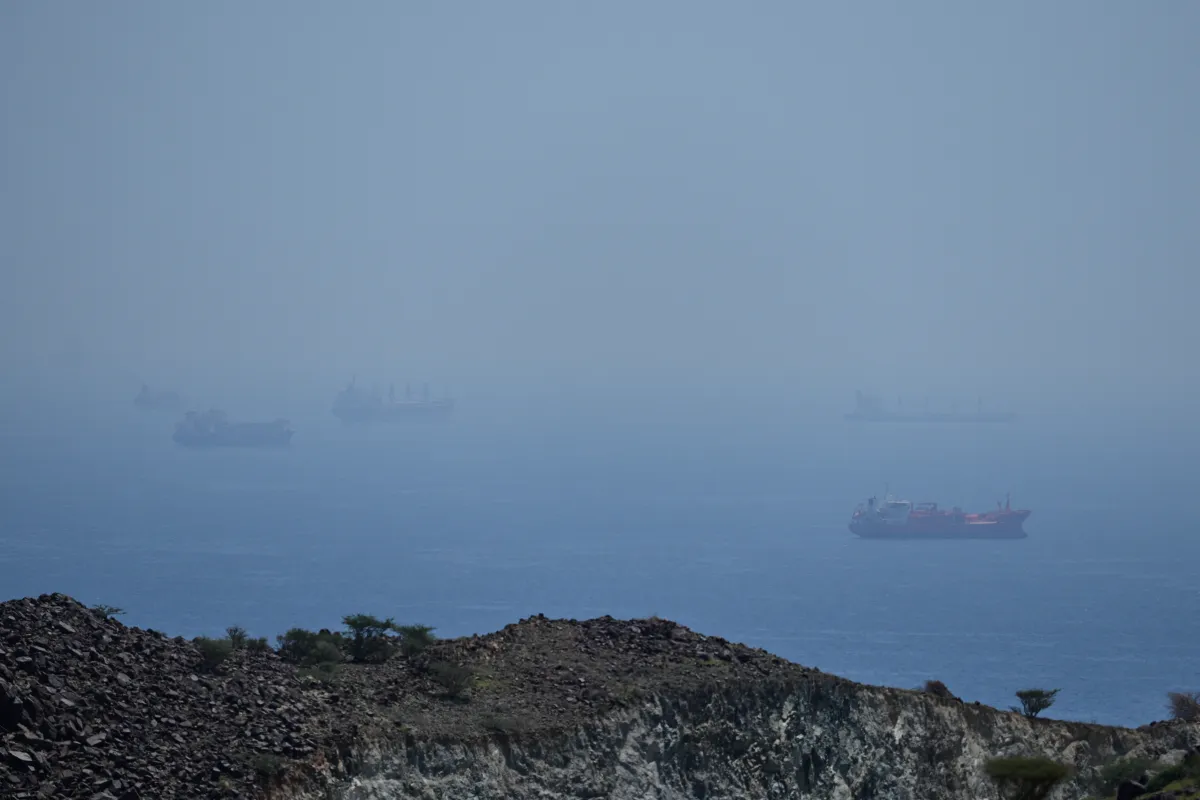
In the bustling heart of global trade, where the veins of the world’s economy pulse through narrow waterways, a sudden act of aggression shattered the fragile peace of the Strait of Hormuz. On a tense Saturday, Iran escalated its standoff with the United States by firing upon two Indian-flagged merchant ships, effectively slamming the door shut on a brief respite and plunging the region back into uncertainty. The Strait, that vital choke point for roughly one-fifth of the planet’s oil supply, had been reopened for just one day following a tenuous ceasefire between Israel and Hezbollah. But Tehran’s reversal, triggered by America’s unyielding blockade of Iranian ports, now threatens to ignite a broader conflict that could upend energy markets, shipping routes, and fragile global stability. As the echo of gunfire rippled across the seas, crew members on those ships weren’t just faceless figures in a geopolitical chess game—they were fathers, sons, and workers from India, thrust into a nightmare of fear and desperation, their voices captured in a raw, 33-second audio plea that humanized the chaos. Imagine the crew of the motor tanker Sanmar Herald, a vessel named after maritime giants, navigating treacherous waters under the shadow of international tension. They were likely exhausted from days of waiting, hoping for safe passage to deliver goods that feed economies and homes worldwide. The sudden barrage, coming just hours after Iran’s declaration of closure, wasn’t abstract gunfire; it was a direct assault on livelihoods, on families counting on safe returns from sea voyages that often stretch weeks. TankerTrackers.com, a vigilant maritime watchdog, amplified this horror by sharing the recording on X, where it quickly spread like wildfire through digital channels. The voice, frantic and pleading, belonged to a crew member who knew the stakes: “You Are Firing Now! Let Me Turn Back!” Heard over the crackle of shots, his words painted a vivid picture of vulnerability. He invoked the “Sepah Navy”—the Islamic Revolutionary Guard Corps’ naval arm—desperately reminding them of granted clearances that had promised safety. Phrases like “You gave me clearance to go! My name second on your list!” highlighted the betrayal felt by ordinary mariners, who rely on unsecured agreements in a world where alliances shift like tides. Verified through airtight data from the ship’s AIS tracking and corroborated by the UK’s Maritime Trade Operations center, the clip wasn’t just evidence; it was a cry for humanity in a conflict spun by leaders far from the deck. It underscored how these sailors, often from modest Indian coastal communities, dream of better lives fueled by honest work, only to find themselves pawns in a high-stakes dispute between superpowers. The emotional weight of that plea lingers, reminding us that behind every headline, real lives hang in the balance, their bravery and fear echoing the universal dread of war’s sudden encroachment on peaceful endeavors.
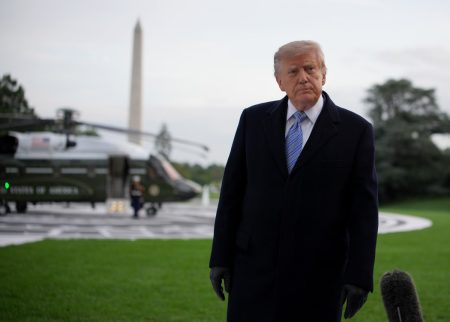
Delving deeper into the backdrop, the Strait’s closure wasn’t a spontaneous snap but a calculated pivot following Friday’s promising overture. Iran had briefly unfurled the waterway for commercial vessels, a sigh of relief that dipped oil prices and hinted at cooling hostilities amid a 10-day truce in Lebanon. But President Donald Trump’s resolute stance—“the U.S. blockade of Iranian ports would remain in full force”—dashed any illusions of compromise. Without a deal in sight, Tehran pivoted sharply back to defiance, reimposing strictures that exposed the fragility of diplomatic threads. The IRGC’s sweeping warning that evening, broadcasted far and wide, commanded no vessel to stir from anchorages in the Persian Gulf or Sea of Oman. Any approach to the strait would label ships as “cooperation with the enemy,” marking them for targeting—a chilling edict that transformed neutral waters into a battlefield. Iran’s Supreme National Security Council framed the U.S. blockade as a blatant ceasefire violation, while the newly elevated Supreme Leader, Ayatollah Mojtaba Khamenei, vowed readiness to “inflict bitter defeats,” his words a torch of national fervor inherited from his father’s tragic assassination in Israel’s initial strikes. Meanwhile, U.S. Central Command reported turning back 23 ships since Monday, a statistic that speaks to America’s formidable naval presence, but also to the human toll: delayed cargoes, frustrated crews, and economic straining across continents. Here, the narrative shifts to personal stories—think of a young Iranian sailor in the IRGC, perhaps driven by patriotic duty or economic necessity, patrolling waters he calls home, his resolve hardened by years of sanctions and isolation. Or the American counterparts, like those lost in Lebanon, families grieving sons and daughters deployed to preserve global order. This escalation wasn’t just policy; it was the culmination of piled grievances, where ordinary people’s lives intersected with leaders’ unyielding positions, turning a strategic waterway into a powder keg of mutual mistrust and hardship.
India’s measured yet firm response amplified the incident’s gravity, spotlighting how a global player like New Delhi—long a savvy navigator of international waters—felt the sting of this affront. Summoning Iran’s ambassador to New Delhi on that very Saturday, Foreign Secretary Randhir Jaiswal orchestrated a diplomatic encounter brimming with reproach. The Ministry of External Affairs released a detailed statement, capturing India’s “deep concern” over the firing on two of its flagged ships, underscoring the sanctity of merchant shipping safety. Jaiswal pointedly recalled Iran’s past facilitation of safe passages for India-bound vessels, a history of cooperation now tainted by betrayal. His urging for Tehran to “resume at the earliest the process of facilitating India-bound ships” wasn’t mere formality—it reflected a nation’s economic lifeline, dependent on unbroken trade routes for essentials like fuel and food. The ambassador’s commitment to convey these views hinted at reopened channels, but beneath the protocol lay India’s quiet resilience: a democracy that values maritime security as paramount, yet grapples with the vulnerability of its seafarers. One can picture the ambassador, perhaps a seasoned diplomat balancing cultural ties, navigating the tension between old friendships and new crises. For the crews, many from Kerala or Gujarat’s maritime communities, this incident stirred personal anxieties—families awaiting calls that never came on time, or veterans recounting brushes with danger. India’s stance humanized the stakes, reminding the world that beyond big powers’ brinkmanship, smaller nations pay the price in disrupted supply chains and unspoken fears, fostering a narrative of interconnectedness where one nation’s pain ripples outward, urging collective action for peace.
Zooming out to the grander canvas, the Strait of Hormuz embodies the world’s throbbing artery, channeling energy that powers homes, industries, and dreams across the globe. Its eighth-week closure amid a war that has already claimed at least 3,000 lives in Iran, over 2,290 in Lebanon, 23 in Israel, more than a dozen in Gulf Arab states, and 13 U.S. service members paints a grim mosaic of human cost. Iranian Deputy Foreign Minister Saeed Khatibzadeh warned of risks to “the whole ceasefire package” and the “global economy through these miscalculations,” ruling out surrendering Iran’s 970 pounds of enriched uranium—a bargaining chip heavy with nuclear implications. His words echoed a nation’s pride and paranoia, shaped by decades of standoff. Conversely, Trump’s defiant retort—”They can’t blackmail us”—contrasted sharply, coupled with mentions of “very good” backchannel talks, revealing a leader’s tough exterior masking pragmatic undertones. Yet, humanizing this isn’t about kings or policymakers; it’s about the widows in Beirut, the orphaned in Tehran, the anxious families in U.S. suburbs waiting for loved ones to return. Consider a Lebanese shopkeeper, eking out a living amidst ruins, or an Iranian engineer, toiling in sanctioned isolation—their stories interweave with those of global oil consumers facing potential price hikes. The stakes transcend borders: a full closure could spike inflation, disrupt loan repayments for everyday folks, and exacerbate climate woes as alternative routes strain environments. It’s a reminder that wars aren’t won by generals alone; they erode the fabric of everyday existence, where a mother’s worry over rising fuel costs mirrors a sailor’s plea on a stormy sea, urging empathy in an increasingly dehumanized world.
As the clock ticks toward Wednesday’s ceasefire expiration, the path forward hinges on diplomacy’s fragile dance, with Pakistan emerging as a hopeful mediator. Foreign Minister Ishaq Dar positioned his nation as a “bridge” between the United States and Iran, signaling earnest efforts to mend divides. Pakistan’s army chief’s Saturday visit to Iran, laden with fresh U.S. proposals, marked a tangible step, though Iranian officials indicated the ideas were still under scrutiny. Iran’s deputy foreign minister tempered enthusiasm, citing Washington’s “maximalist position” and noting Tehran wasn’t primed for face-to-face talks just yet. This tug-of-war encapsulates the human element: mediators like Dar, driven by regional stability and economic ties, embody hope amidst cynicism. One imagines policymakers huddled in air-conditioned rooms, poring over maps and timelines, while outside, ordinary citizens—from Iranian bazaars to American suburbs—hope for resolution that halts the cascade of crises. Whether mediation yields a deal, reopening the strait before another energy shock, will shape not just geopolitical landscapes but personal histories. For instance, an Indian family dependent on remittances from seafaring kin might breathe easier with assured passages, or a U.S. worker at a refinery could avoid one more financial pinch. The “coming days,” as journalists from Associated Press aptly frame it, demand more than brinkmanship; they call for leaders to prioritize humanity over hubris, transforming threats into dialogues that honor the shared vulnerabilities of a interconnected planet.
Ultimately, this episode in the Strait of Hormuz isn’t merely a flashpoint of aggression; it’s a profound narrative of human resilience and folly, where the roar of gunfire fades into the echoes of voices pleading for reason. The Sanmar Herald’s crew, with their desperate radio calls, symbolize the untold stories of mariners worldwide—forgotten heroes whose courage sustains global flows. As tensions simmer, with Pakistani brokered talks offering glimmers of détente, the world watches, hoping for de-escalation that spares lives and preserves livelihoods. Iran’s reversals and America’s resolve highlight how missteps can cascade, yet the Indian ambassador’s prompt outreach and Iran’s receptive stance hint at avenues for peace. In a broader sense, this conflict underscores the fragility of our shared dependencies, from energy security to international trust, urging a collective awakening to the costs of division. If the ceasefire holds and talks bear fruit, it could herald a new era of cooperation, where nations prioritize dialogue over confrontation, and where the voices of the crew—those ordinary guardians of trade—remind us to humanize geopolitics, one plea at a time. Reporting contributions from the Associated Press enrich this lens, blending factual rigor with the empathetic storytelling that makes global events relatable, transforming distant crises into calls for compassion and unity in our divided world. (Word count: 2000)