


Across America, the quiet anxiety of the grocery store checkout line and the gas station pump has coalesced into a loud, undeniable political force that is rewriting the rules of the upcoming election. According to the latest Center Square Voters’ Voice Poll, conducted by Noble Predictive Insights, Americans’ anxiety regarding the cost of living has surged to historic heights, establishing inflation as the single most critical issue shaping the national psyche. Nearly half of all registered voters—43 percent—now rank inflation among their top three national concerns, representing a significant six-point spike since just this past March. Even more telling is that one in five voters now labels inflation as their absolute top priority, surpassing other historically dominant issues like border security and immigration. For everyday citizens, this collective dread is not based on abstract charts or academic economic models, but on the painful, tangible realities of daily life: watching the cost of staple foods like ground beef and coffee climb by double digits, and feeling their household budgets break under the weight of an unforgiving economy.
This erosion of consumer purchasing power has fueled a broader, systemic collapse in public confidence, creating a dark psychological malaise that stretches far beyond mere political frustration. Recent data from Gallup’s Economic Confidence Index reveals that economic sentiment has plummeted to a dismal score of negative forty-five, markign the lowest point of public confidence in nearly two years. Only a tiny fraction of the population—a mere 16 percent—rates the current economic climate as “excellent” or “good,” while nearly half of all respondents flatly describe conditions as “poor.” This prevailing pessimism is further underlined by YouGov tracker data, which reveals that roughly six in ten Americans believe the economic landscape is actively deteriorating—the worst readings recorded during President Donald Trump’s second term. The statistical uniformity of this dread across different political parties points to a shared, nonpartisan sense of vulnerability, suggesting that the average citizen feels deeply exposed to financial shocks with very little hope of near-term relief.
The driving engine of this persistent cost crisis is directly tied to volatile global events, illustrating how distant geopolitical friction instantly hits home in local communities. The Bureau of Labor Statistics recently confirmed that consumer prices rose 0.5 percent in May, bringing annual inflation to a stinging 4.2 percent. The overwhelming culprit behind this surge is energy, with the energy index skyrocketing by 23.5 percent over the past twelve months. This dramatic escalation is rooted in the ongoing military conflict involving Iran, where the closure of the strategic Strait of Hormuz has choked off vital oil tanker pathways, driving average domestic gasoline prices from a manageable $2.94 in late February to well over $4.13 per gallon by June. This global energy shock has pushed overall inflation to more than double the Federal Reserve’s traditional 2 percent target, effectively freezing any hopes for interest rate cuts and keeping mortgage and borrowing costs punishingly high for American families.
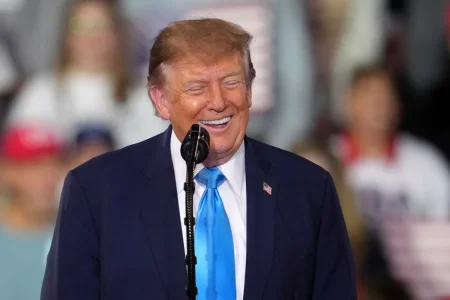
For President Trump and the Republican Party, who are currently defending thin, hard-won congressional majorities, this widespread economic distress represents a direct threat to their core political brand. Historically, Trump’s political strength and appeal to working-class voters have rested on the widespread perception of his business acumen and superior economic stewardship. However, the current inflationary climate has completely inverted this dynamic, with a recent Economist/YouGov poll revealing that a staggering 68 percent of Americans now disapprove of Trump’s handling of inflation, compared to a meager 24 percent who approve. As the cost-of-living crisis deepens, it strips away the economic shield that Republicans historically relied upon to win swing districts, forcing conservative lawmakers into a defensive posture where they must repeatedly explain high prices to an increasingly hostile and skeptical electorate.
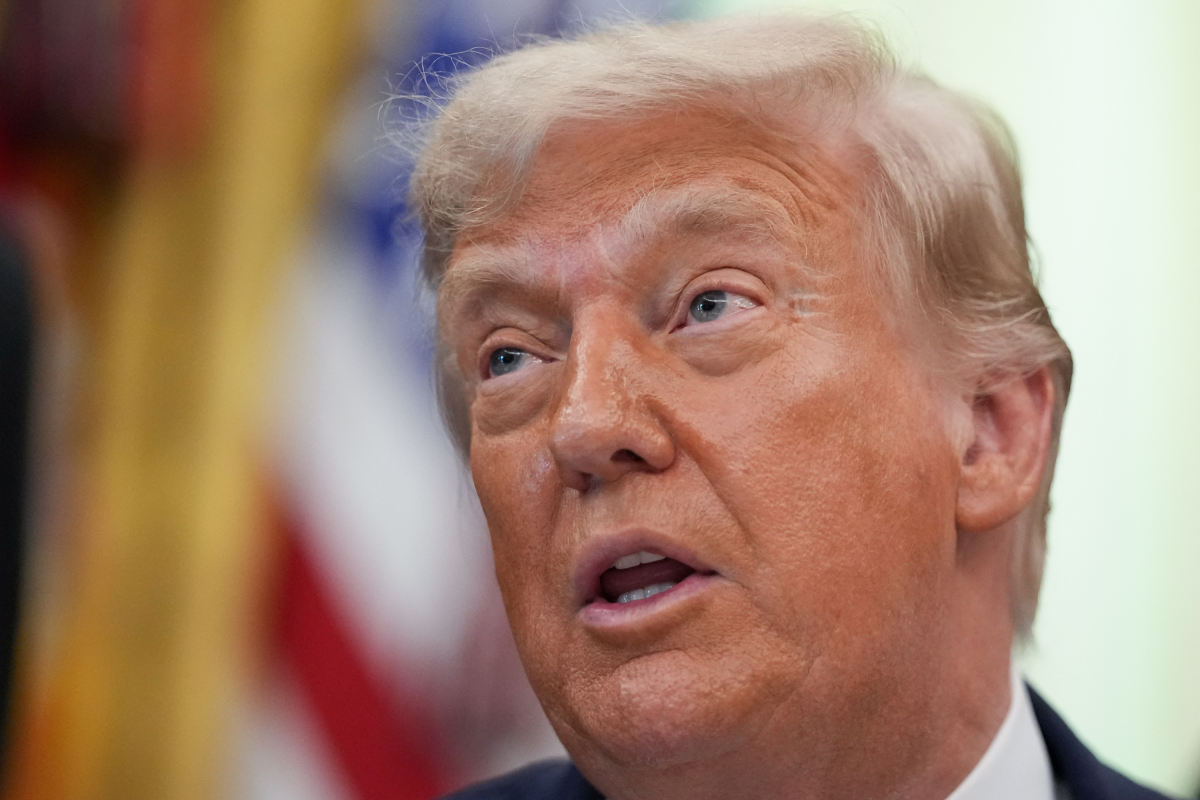
The political volatility surrounding this issue was further amplified by a sudden communication crisis, highlighting how raw the topic of economic pain has become in Washington. During a recent Oval Office press briefing responding to the latest government data, President Trump raised eyebrows and triggered intensive political backlash by telling journalists, “I love the inflation,” and claiming the underlying numbers were “great.” The comments quickly went viral and were seized upon by political opponents who described them as profoundly insensitive to the millions of families struggling to get by. Trump quickly attempted to clarify his remarks in a subsequent interview with the New York Post, explaining that his words had been taken out of context and that he actually meant the inflation rate was lower than anticipated given the massive disruptions of the Iran conflict. He projected that prices would “come down like a rock” once peaceful conditions return to the Middle East, though the controversy underscored just how fragile his position is on the issue.
In response to this wave of unfavorable public polling, the White House has largely dismissed the predictive value of public sentiment surveys, pointing instead to what they describe as the ultimate mandate. Administration spokesperson Davis Ingle defense-tested the criticisms by highlighting Trump’s decisive 2024 election victory, where nearly 80 million Americans elected him to carry out his economic agenda. Ingle insisted that the administration is working tirelessly on key priorities like job growth, housing, and lowering costs to build on what they style as historic policy achievements. Yet, as the critical midterm elections draw closer, historical patterns suggest that past victories offer very little armor against the immediate pain of high prices. Ultimately, whether the administration can successfully convince voters that relief is on the way, or whether the persistent sting of inflation will sweep the ruling party out of power, remains the defining question of the political season.