


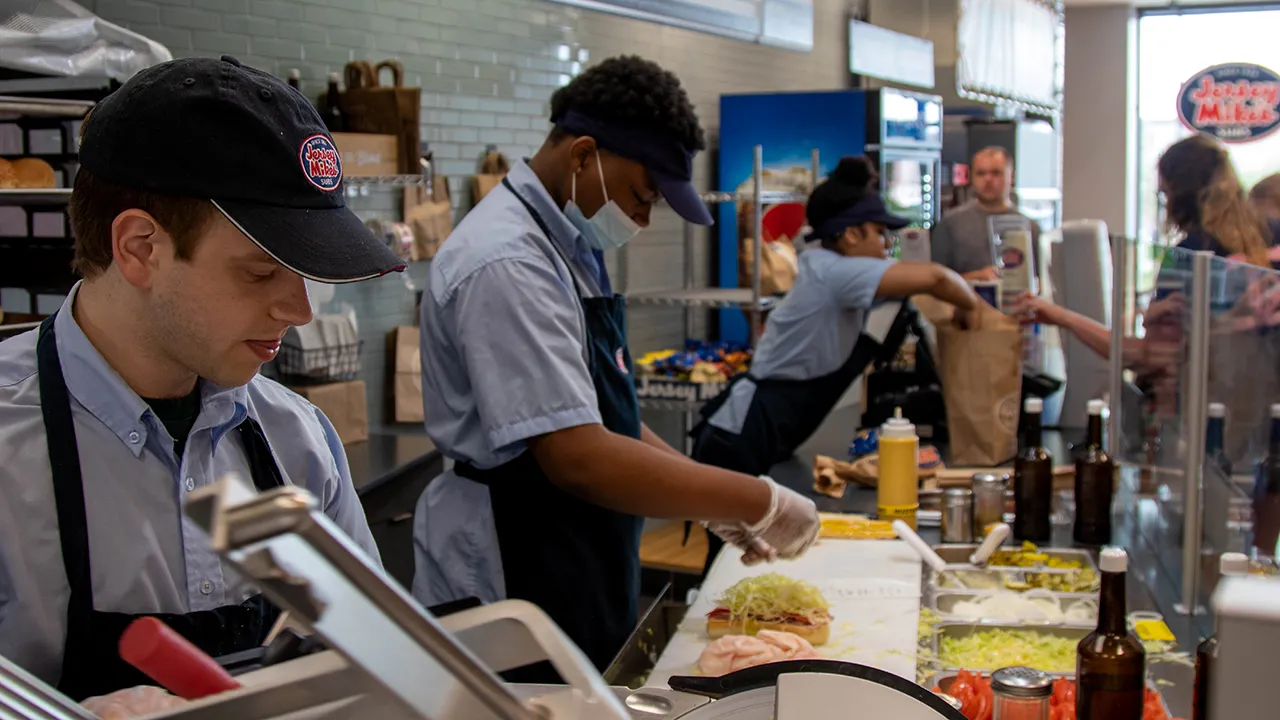
For over a decade, a single fast-food colossus stood comfortably upon a gilded, seemingly unshakeable throne, reigning supreme over the quick-service industry and defining the very parameters of American convenience dining. However, the release of the latest customer satisfaction index has sent shockwaves through the corporate culinary world, proving that even the most deeply entrenched corporate giants can be unseated when they lose touch with the shifting heartbeats of their clientele. This historic upset isn’t merely a dry statistic or a temporary fluctuation on a financial ledger; rather, it is a deeply human story about our evolving relationship with the food we eat, the money we spend, and the respect we expect to receive in return. In a challenging economic climate marked by historic inflation and tightening family budgets, the modern consumer is no longer willing to settle for lukewarm convenience wrapped in greaseproof paper simply out of habit. We have become far more discerning, vocal, and intentional about where we direct our hard-earned dollars, demanding that speed and affordability no longer come at the cost of basic quality and authentic human decency. This dramatic shift sends a loud, unmistakable warning across the entire hospitality industry: brand loyalty is no longer a permanent guarantee, and nostalgia alone cannot salvage a reputation when actual service starts to slip. As innovative competitors step up their game with fresher ingredients, streamlined digital ordering systems, and customer service that feels genuinely human rather than robotic, the old guard is discovering that their pedestal was far more fragile than they ever imagined. We are witnessing a profound cultural realignment where the simple, human desire for a pleasant transaction and a reliable meal outweighs years of clever marketing and colorful logos. The crown has officially slipped, ushering in a brand-new, highly competitive era where the customer is finally reclaiming sovereignty and forcing every drive-thru lane in the nation to look inward and completely reform its approach.
There are few forces on earth capable of uniting, and simultaneously exhausting, a community quite like the roaring, joyful, and completely insatiable tide of international soccer fans descending upon a host city. When a massive flood of beer-loving supporters recently poured into local neighborhoods, they brought with them an electric, singing energy that transformed the public squares, but they also created a logistical nightmare for local bars scrambling desperately to keep up with the sheer volume of consumption. Kegs were drained faster than local distributors could roll them off the delivery trucks, leaving exhausted, sweat-drenched bartenders working at a breakneck, adrenaline-fueled pace to keep the taps flowing and the spirits high. Yet, beneath the surface of this raucous, beautiful celebration, a quieter and much tenser struggle was unfolding at the bottom of the restaurant receipt. With international visitors completely unaccustomed to the unique, often baffling nuances of American tipping culture, several restaurants decided to scrap the traditional playbook, implementing automatic service fees and complex gratuity rules to ensure their staff were adequately compensated. This bold, highly controversial move has left local and visiting diners keeping a highly critical score, igniting a passionate debate about where genuine hospitality ends and corporate opportunism begins. It highlights a fascinating cultural collision: while the beautiful game of soccer possesses an incredible power to bridge global divides, the financial friction of local tipping customs can quickly sour the collective mood of an otherwise joyous evening. Service workers are running themselves ragged to accommodate thousands of screaming fans, while diners find themselves increasingly scrutinized and defensive about their bills. Ultimately, this chaotic clash reminds us that the grandest international events are still experienced through the deeply personal lens of the individual wallet and the simple human exchange of service and gratitude at the table.
As our global population continues to climb and the environmental footprint of traditional animal agriculture becomes increasingly difficult to ignore, scientists and progressive food researchers are turning their attention to an unconventional, leggy solution that most of us would rather swat away. The concept of bug-based foods has long been championed by environmentalists as the ultimate sustainable protein source, yet it continues to face a massive, deeply ingrained psychological barrier: the universal human “yuck” factor lurking in our minds. However, sensory researchers now suggest that changing humanity’s collective mind might not actually require a massive cultural overhaul, but rather a single, courageously taken bite of a beautifully prepared dish. When insects are processed into familiar, comforting culinary formats—like cricket flour baked into decadent chocolate brownies or mealworm protein spun into savory, highly seasoned chips—the visual horror fades, allowing the brain to process the rich, nutty, and surprisingly delicious reality of the food. It is a profound study in human psychology and cognitive dissonance, illustrating how our gastronomic preferences are shaped far more by cultural conditioning and visual presentation than by our actual taste buds. To truly humanize this shift, we must look at the culinary pioneers brave enough to put these ingredients on their menus, asking diners to set aside generational prejudices for the sake of the planet’s ecological future. By transforming creepy-crawlies into high-quality, crave-able culinary ingredients, these culinary experimenters are proving that our palates are remarkably adaptable. In the end, the future of survival on this planet might just taste a lot better, and be far more sustainable, than we ever dared to imagine, turning a moment of initial revulsion into a shared experience of discovery and ecological stewardship. This scientific breakthrough reminds us that taste is not static, and progress often requires us to conquer our oldest, most primal fears in exchange for a healthier world.
Food is never just a source of survival; it is a repository for our deepest memories, a sanctuary of comfort, and a vibrant reflection of our shared regional identities. This emotional truth was felt with heartbreaking clarity recently when a beloved, multi-generational Tex-Mex institution abruptly shuttered its doors, marking the painful end of an era for thousands of local families. For decades, this establishment served as the backdrop for birthdays, anniversaries, and casual Sunday lunches, anchoring the community and weaving itself into the very fabric of local lives through plates of hot fajitas and homemade tortillas. The sudden closure of such a community anchor leaves a tangible, aching void, serving as a reminder of how quickly economic pressures and changing times can wash away our most cherished cultural landmarks. Yet, even as we mourn the loss of these culinary institutions, our regional food obsessions continue to burn with a passionate, almost hilarious intensity in other parts of the country. Consider, for instance, one northern state whose residents harbor such an intense, year-round love affair with ice cream that they routinely leave the rest of the nation shivering in the freezer. Come snow, sleet, or sub-zero winds, these dairy-devoted citizens line up at local scoop shops with a stubborn, heartwarming devotion that completely defies both freezing weather and common sense. This stark contrast between the sorrow of a lost community hub and the joyful, defiant pride of a regional frozen treat illustrates the beautiful, complex human tapestry of American dining. We cling to our local flavors because they tell us exactly who we are, grounding us in a chaotic world through the simple, reliable magic of a shared plate or a melting cone. These regional traditions remind us that whether we are mourning a closed restaurant or shivering in line for a scoop, the love of food is ultimately a love of community and belonging.
In our modern, hyper-connected world, a fascinating new social phenomenon has taken over our city pavements: the endless, winding queues of hungry citizens waiting hours on end for a single, viral pastry or trendy specialty treat. Fueled by the relentless, visual engine of social media, where a single carefully lit video on a smartphone screen can transform an ordinary, quiet bakery into a global sensation overnight, these long lines have become a striking testament to our deep human desire for connection and status. It is easy for cynics to look at people standing in the pouring rain for three hours for a viral croissant and dismiss the behavior as shallow, internet-driven trend-chasing. However, if we look closer at this modern ritual, we see a much deeper human narrative at play under the surface. In an increasingly digital existence where so much of our daily lives is lived behind cold screens and remote interfaces, the physical act of waiting in line with strangers becomes a shared, tangible event. This pilgrimage of anticipation culminates in a real sensory reward, transforming a simple dessert into an emblem of triumph. The thrill of finally holding that limited-edition sweet treat in your hands, taking that first bite, and sharing the moment with an online community is about much more than culinary indulgence; it is about belonging, achievement, and the joy of participating in a fleeting, collective cultural moment. These small, artisanal bakeries finding themselves thrust into the crazy spotlight must scramble frantically to scale up production without losing the handmade quality that made them famous, beautifully capturing the fragile, exciting, and sometimes overwhelming nature of finding sudden success in the internet age.
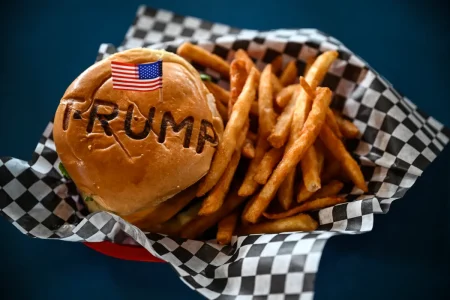
At the heart of all these sweeping culinary trends, shifting economic metrics, and viral retail frenzies is the actual human being standing behind the roaring stove, trying desperately to balance artistic integrity with the overwhelming pressure of modern consumer demand. This delicate, exhausting balance was captured perfectly in this week’s poignant, deeply honest quote from a weary culinary craftsman: “We just wanted to make a good burger, and then we had to do what we had to do to keep up with it.” This simple, grounded statement exposes the deep vulnerability, passion, and immense psychological pressure felt by independent business owners and chefs in an era that demands rapid, infinite growth at all costs. To survive with their sanity, their relationships, and their culinary quality intact, many chefs are making the difficult, highly contrarian decision to set strict, non-negotiable limits on their daily output, choosing to close up shop early and run out of food rather than compromise their standards. It is a courageous, highly necessary act of boundary-setting in a relentless consumer society that rarely accepts “no” for an answer, reminding us that truly great food cannot be mass-produced on a giant corporate assembly line without losing its artistic soul. Behind every extraordinary dish that goes viral or wins an award, there is a complex human story of sweat, creative passion, sleepless nights, and the hard personal choices made to preserve a craft in the face of runaway success. Ultimately, this serves as a gentle, timely reminder to all of us to slow down, savor every single bite, and show a little more grace and patience to the hard-working hands that feed us. By respecting their boundaries and appreciating their dedication, we protect the very kitchen-born magic of the meals we love, ensuring that culinary art remains a human endeavor rather than a factory product.