






The damp, biting mountain air of Romania’s Eastern Carpathians has a way of creeping through the tightest seams of a rain jacket, gradually chilling you to the bone until your hands grow stiff and your breath comes in visible white puffs. Yet, just when the shivering threatens to dampen the spirit, the wilderness yields a unexpected sanctuary—a simple, rustically hand-hewn wooden table and benches sheltered beneath a small shingled roof, offering a lifeline of human warmth in the middle of the Bukovina wilderness. This modest refuge is Popas la Cosma, a beloved shelter and rest stop run by shepherd Cosma Crăciuneac and his family, who serve as standard-bearers for the legendary hospitality found deep within these mountains. Standing as one of roughly five hundred hosts who offer food, shelter, or a cozy place to sleep along the vast and ambitious Via Transilvanica trail, the family embodies the beating heart of the Romanian countryside. Almost immediately upon arrival, the chill of the trail is banished by the warm, smiling eyes of a father and son wearing traditional hats adorned with jaunty feathers, who waste no time in pouring glasses of afinata—a sweet, fiery, and deeply comforting local liqueur crafted from wild mountain blueberries. This welcoming toast is quickly followed by a wooden board piled high with the treasures of the homestead: thick slabs of homemade cheese, dry-cured salami, rich lard, boiled farm eggs, and hearty slices of freshly baked bread. After being revived by bowls of hot herbal tea and warm, golden doughnuts, hikers are treated to a proud tour of the cozy family home and the rustic hay barn, where walkers can sink into the sweet-scented straw for a night of deep, peaceful sleep, safe from the mountain wind.
This welcoming encounter at Popas la Cosma serves as the quintessential introduction to the Via Transilvanica, a magnificent 1,600-kilometer trailblazing route that cuts diagonally across the entire country of Romania, conceived and brought to life through the sheer determination of Tășuleasa Social. Built without a single cent of government or European Union funding, this monumental path represents a triumph of the human spirit, realized entirely through the passion of a core NGO team, tireless volunteers, corporate sponsors, and private donations. Crucially, the trail was never envisioned as a commercial tourist attraction, but rather as an ambitious social and environmental project designed to breathe life back into remote agrarian villages and historical communities that have been steadily hollowed out by the emigration of their youth to big cities and foreign countries. By weaving through approximately four00 rural villages across twenty diverse ethnic and cultural regions, this route has rightfully earned its poetic moniker, “the path that unites,” directly channeling foot traffic and economic vitality to local families. The practical impact of this human-centric tourism is profound; for example, the remote homestead of Popas la Cosma welcomed some 1,500 hikers during the last season alone, showcasing how sustainable travel can rejuvenate fragile rural economies. The path is a living organism, continually maintained and improved by volunteers who, in 2026, are upgrading sections in the Bukovina region to repair weather damage and adding a scenic 200-kilometer extension to the historic medieval Transylvanian town of Brașov. At the project’s lush mountain headquarters near Bistrița, travelers are welcomed by founder Alin Ușeriu and eager volunteers to share steaming bowls of forest mushroom and sour cream soup, followed by decadent plates of papanași—deep-fried cottage cheese doughnuts topped with wild berry jam—fueling bodies and spirits for the journey ahead.
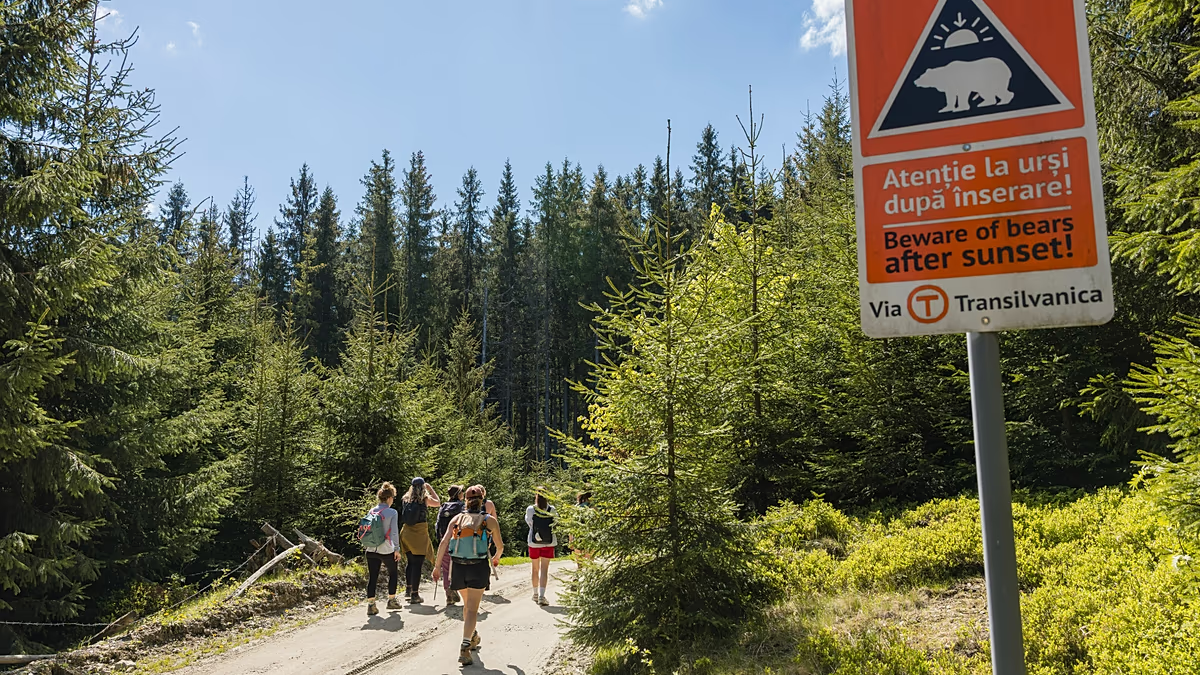
Setting out on some of the trail’s quieter, untouched northern stages under the guidance of Intrepid Travel, one quickly understands why the stunning Bukovina region is affectionately referred to as the “Switzerland of the East.” Guided by Tășuleasa Social volunteer Iulian Gabor, who helped clear these very paths, hikers wind through ancient, deep-green forests of towering beech, oak, and spruce trees that open up without warning into vast alpine meadows drenched in golden sunlight. The soundtrack of this journey is remarkably peaceful, characterized by the gentle, metallic chiming of bells worn by herds of cows grazing lazily on the wildflower-carpeted hillsides. Hand-painted orange “T” signs on trees and stones guide travelers safely along the route, alongside occasional, thrilling warnings about wild brown bears that roam the forests after dusk. While encounters with these large predators are rare during the day, the trail is teeming with gentler wildlife, from painted butterflies darting through the warm air and green lizards basking on rocks to the occasional horse-drawn cart slowly delivering freshly cut hay to local barns. Every step on this ancient land feels like a walk through a living history book, where the modern pace of life dissolves into the rhythmic rise and fall of the mountain peaks and the quiet beauty of a landscape preserved in time.
The true magic of the Via Transilvanica, however, lies in the daily transition from physical exertion in the wild to intimate, shared moments over local dining tables, turning a simple hike into a continuous culinary pilgrimage. Rather than relying on bland, dehydrated camping packet meals, travelers on this trail are treated to authentic, home-cooked delicacies that tell the story of the land, such as fresh, creamy cheese paired with sweet, smoky paprika jam at the welcoming Gigi Ursu Chalet. Further along, the inviting dining room of La Moara Bucovina offers platefuls of steaming sarmale—tender, slow-cooked cabbage rolls stuffed with seasoned minced meat and served with a dollop of cool sour cream. Part of the profound joy of these mid-day culinary pauses is the opportunity to sit down and chat with the hosts, observing the genuine pride and pleasure they take in opening their homes to strangers from around the world. These cozy guesthouses, local shops, and cultural centers serve as official stops where hikers can proudly present their traveler’s booklets to receive unique ink stamps commemorating each completed stage of their journey. More than just a physical record, these stamped booklets become cherishable journals of human connection, filled with the warmth of shared laughter, local lore, and repeated friendly clinks of afinata glasses with hosts who quickly begin to feel like old friends.
For those with a deep love for history and art, the Bukovina stretch of the trail serves as an extraordinary cultural pilgrimage, seamlessly blending the natural beauty of the Romanian wilderness with breathtaking historical masterworks. The route winds past two of Romania’s most spectacular, UNESCO-designated painted monasteries—Sucevița and Moldovița—whose massive exterior and interior stone walls are completely enveloped in incredibly detailed, brilliantly colored 16th-century religious frescoes that have miraculously survived the harsh elements for hundreds of years. In the nearby town of Moldovița, travelers can step inside the warm, sunlit home of master artisan Viorica Semeniuc to witness the delicate, ancient tradition of egg painting, watching in awe as she uses melted beeswax to draw intricate geometric patterns and cultural symbols onto delicate shells. This artistic thread is beautifully mirrored on the physical trail itself, where every single kilometer is marked by an individual, hand-carved stone milestone sculpted by Romanian and international artists. These heavy blocks of stone feature a fascinating variety of designs, ranging from classical Greek warriors and proud forest stags to whimsical crowned frogs and abstract, Picasso-esque faces, effectively turning the rugged mountain path into one of the largest and most unique open-air art galleries in the entire world. This seamless integration of nature, heritage, and art ensures that the trail stimulates the mind and feeds the soul just as much as it challenges the physical body.
Experiencing this remarkable journey has become significantly more accessible to international travelers through specialized itineraries, such as the ten-day hiking package launched by global tour operator Intrepid Travel, which leads small groups through the pristine northern wilderness of Bukovina and directly supports the local communities along the way. By establishing a close partnership with The Intrepid Foundation, travelers are given a direct pathway to financially support the ongoing maintenance and community projects of Tășuleasa Social, ensuring the sustainable development of the trail for future generations. This journey is much more than a standard vacation; it is a conscious decision to participate in an active model of sustainable tourism that keeps ancestral traditions alive, protects valuable ecosystems, and brings essential economic hope to the historic heart of Romania. Ultimately, walking the Via Transilvanica is an invitation to slow down, to step off the beaten track of modern life, and to discover the boundless generosity of the human spirit. In a world that often feels increasingly disconnected, this visionary path stands as a beautiful, living reminder of the physical and emotional bridges that can be built when communities come together to welcome the world to their doorstep.