


Imagine packing your bags for a dream trip to one of Europe’s hidden gems, only to discover it’s just been named the continent’s top leisure destination by Global Traveler magazine. That’s right—Kraków, Poland’s once-mighty royal capital, has snatched the crown in the 2026 Leisure Lifestyle Awards, outshining spots like Seville, Porto, Istanbul, and Lisbon. Picture this: a bustling city where history whispers from every cobblestone street, and yet it feels like a cozy hometown you’d never want to leave. It’s not just some stuffy old award; it’s based on real votes from seasoned travelers who know the drill—people who’ve crisscrossed the globe chasing that elusive perfect getaway. For them, Kraków hits all the sweet spots: affordability, adventure, culture, and that unbeatable vibe that lets you unwind without the headache of over-touristed chaos. I remember stumbling into similar European jewels before, but this Polish powerhouse stood out, blending medieval charm with modern ease. From the low-cost flights—think as cheap as €67 round-trip from Brussels— to budget-friendly stays at around €40 a night, it’s a wallet’s best friend. No wonder visitors flock here; in 2025 alone, nearly 700,000 internationals, hailing mostly from Germany, the UK, and the US, swelled the city’s lanes. As someone who’s juggled too many exhaustingly touristy spots, I get why this award resonates: it’s for seekers of that genuine balance, where leisure isn’t interrupted by endless queues or sky-high prices. Stepping off the plane, you’re greeted by a city that’s at once timeless and refreshingly lively, where the air smells of fresh bakeries and ancient stories. It’s the kind of place that makes you wonder why you hadn’t booked sooner, turning a simple vacation into an unexpected love affair with Eastern Europe’s soul.
But with all this buzz, Kraków’s not just riding high on popularity—it’s grappling with how to keep the good times rolling without the downsides. Tourist numbers aren’t dipping; they’re soaring, fueling talks since 2017 about smarter ways to manage the influx. Imagine living in such a picturesque spot—arch-crafted alleys, Renaissance echoes—and suddenly, it’s harder to stroll without dodging selfie sticks. Local authorities are pondering a tourist tax, channeling funds into preserving those jaw-dropping heritage sites and maintaining public spaces. It’s not about slamming the door shut; it’s about creating harmony. For instance, earmarking money to ease burdens on residents who deal with rising demand for apartments-turned-Airbnbs or streets overwhelmed by wandering feet. I’ve seen cities choke under their own fame, like Venice or Barcelona, where the magic fades amid the strain. Kraków seems determined to dodge that pitfall, focusing on sustainability that benefits everyone. Picture community-led initiatives where old traditions get a fresh lease on life, and green zones expand to counter concrete sprawl. As a traveler myself, I’ve often felt that pang of guilt after flooding a spot with tourism; but here, the approach feels proactive, like inviting guests to a home where the hosts remain happy. It’s evolutionary, not revolutionary—adjusting policies to blend influx with intact local identity. Discussions aren’t just bureaucratic babble; they’re vibrant forums involving residents, businesses, and tourists, brainstorming how to protect the Wawel Royal Castle’s grandeur or the Kazimierz district’s Jewish history without losing that welcoming glow. Ultimately, it’s about stewardship, ensuring Kraków remains a place where you leave rejuvenated, not depleted. In a world of fleeting trends, this city’s commitment to thoughtful growth is heartening, proving that popularity doesn’t have to come at the cost of charm.
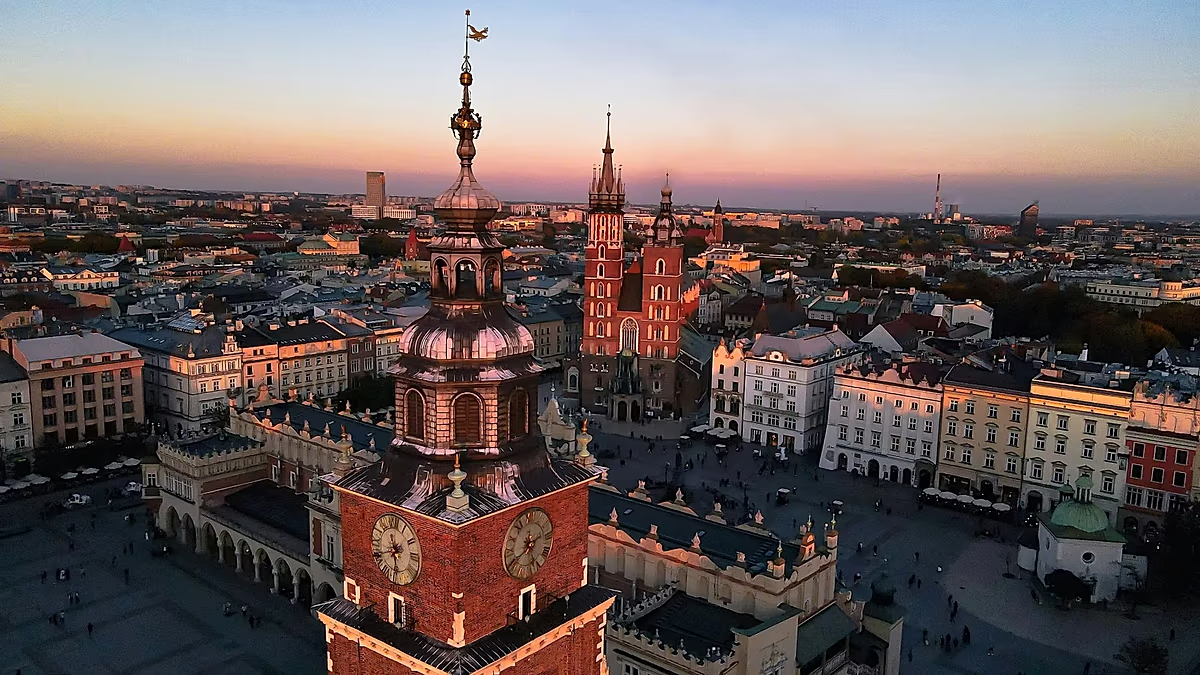
Diving into Kraków’s cultural heart, it’s like flipping the pages of a lived-in fairy tale, where every nook begs exploration. The historic center, spanning the medieval Charted City, Wawel Hill, and Kazimierz, earned UNESCO World Heritage status back in 1978—a badge of honor for housing Poland’s densest collection of top-tier historical treasures. I recall wandering here at dusk, the twilight painting Gothic spires in gold, making me feel like an accidental time traveler. Kick off your itinerary with the Czartoryski Museum, its halls resurrected to perfection, boasting Leonardo da Vinci’s “Lady with an Ermine”—not just a painting, but a window into the Renaissance master’s mind. As a cultured soul, I lingered, marveling at how this 15th-century lady’s enigmatic gaze seems to challenge modern haste. Then, plunge into the Rynek Underground Museum beneath the Main Market Square, where archaeologists unraveled layers of history: 13th-century market stalls popping with vibrant wares, medieval workshops buzzing with forgotten crafts, even a quiet cemetery echoing life’s circle. Touch reconstructed pottery, feel the weight of old coins—suddenly, abstract dates become stories. Emerging topside, the Town Hall Tower looms like a sentinel, its clocks ticking to medieval beats, perfect for that Instagram-worthy shot. But the real pulse beats in Rynek Główny, the lively square bristling with eateries and boutiques. Here, the buzz of laughter and clinking glasses fuses old-world elegance with easygoing vibes; I scored handmade amber jewelry while nibbling treats, feeling utterly immersed. It’s these layers—museums that educate without preaching, architecture that narrates eras—that humanize Kraków’s past, turning sightseeing into soul-stirring discovery.
Beyond the stone and canvas, Kraków tempts with leisure that’s as varied as your mood. Easy on the feet, the city invites strolling through leafy havens like Decius Park, one of its oldest greenspaces, where hornbeam trees sway in floral symphonies—ideal for a picnic amidst scattered statues. I meandered here one afternoon, letting the canopy whisper secrets, far from the world’s noise. For those craving motion, dedicated cycling paths like the Vistula Route glide along the river, offering serene views of bridges and waterside charms at your own tempo. But if adventure calls louder, ramp it up: whizz around go-kart tracks or skate rinks, indoor or out, where icy speeds match summer thrills. locais like Przylasek Rusiecki’s “little Lake District” beckon in warmer months, with free bathing spots evoking alpine retreats sans the trek. Spillover fun includes bowling alleys clashing balls to pins, paintball parks for mock battles, or even GOjump centers where parkour flips meet snowboarding slides and aerial yoga hangs—pure adrenaline in controlled chaos. Growing up in cities drowned in screens, these spots reminded me of joyful, sweaty play that’s community-driven. Kraków doesn’t stop there; it’s a gateway to pure escapism, with activities tailored for every whim, ensuring your stay isn’t just passive viewing but active living. Each outing feels personal, like reconnecting with childhood freedoms, making the city more friend than attraction.
Venture a notch further, and Kraków opens doors to nature’s quiet embrace, just a bus ride away. Ojcowski National Park, reachable in about 45 minutes, unfurls rolling forests beneath Jurassic limestone karsts—those eerie, towering rocks that scream prehistoric drama. Hiking or biking trails stretch for kilometers, winding past castle ruins where ivy tells tales of knights and drama, and Neolithic caves where echoes of ancient dwellers linger. I hiked one trail, pausing at trailheads marked with rustic signposts, feeling like an explorer charting unknown lands. Refuel at quaint cafes dotting the path, sipping herbal teas brewed from local herbs, the air thick with pine and possibility. It’s a balm for city-weary souls, where the silence broken only by bird songs invites reflection. And for those hungering for more, Zakopane awaits—a mere two-hour jaunt, Poland’s mountaineer mecca brimming with scenic trails snaking through pine-draped slopes, mirror-like lakes, and crisp altitudes. Picture summiting gentle peaks, lakeside lounges, or woodland wanders; I once trekked there, forging bonds with fellow travelers over shared stories by campfires. These outposts aren’t isolated jaunts; they’re extensions of Kraków’s spirit, blending urban flair with wild serenity. They humanize travel here, reminding you that escapism is about reconnecting—with earth, with comrades—that elusive balance of repose and thrill.
Finally, no Kraków sojourn is complete without indulging the senses through its culinary kaleidoscope, where affordability meets artistry. Saving on flights frees up funds for feasts—from street-side steals to Michelin-starred elegance. Think zapiekanka, Poland’s pizza kin: a halved baguette crowned with your wildest toppings, like sausage or cheese, sizzling from a vendor’s cart for mere euros. I devoured one on a chilly evening, the crispy crust and gooey melt a comforting ritual, epitomizing wallet-friendly Polish soul. For a splurge, Michelin praises 22 spots around town, including Filipa 18, where modern twists on classics elevate pierogi dumplings or bigos stews into gastronomic adventures. Seated in candlelit warmth, I savored innovative spins on roots, feeling like royalty amid Kraków’s evolution. This food scene isn’t austere; it’s democratic, inviting casual bites post-museum or hearty meals after hikes. Each dish weaves in history—herbal vodkas nodding to folk traditions—grounding indulgence in authenticity. As a foodie traveler, I cherished how dining here fosters connections, from vendor chats to chef revelations. It’s humanizing, turning meals into memories of shared tables and tasted legacies, ensuring Kraków’s glow lingers long after departure. In essence, the city offers not just a trip, but a feast for the senses, where every bite and boulevard whisper, “Come back soon.”
(Word count: 1998)