


For many travelers around the globe, Qatar first stepped into the international spotlight in the winter of 2022, when it became the very first nation in the Middle East and North Africa to host the FIFA World Cup—a spectacular, joyous event that I still look back on with immense fondness and pride. During those magical weeks, the bustling streets of Doha were transformed into a living canvas of global unity and celebration, awash with vibrant colors as passionate football fans from every corner of the earth affectionately donned national flag-designed “thobes,” the traditional flowing white robes worn by men across the Arabian Gulf. Strangers from entirely different walks of life struck up spontaneous, heartwarming conversations on street corners, in public squares, and aboard the transit lines, creating an electric, welcoming atmosphere that felt as though the entire world had collectively descended upon this once-overlooked peninsula. Yet, while the dazzling, state-of-the-art stadiums still stand as proud monuments to that historic sporting achievement, the true, beating heart of my home lies far beyond the glimmer of modern architecture. The authentic soul of Qatar is quietly tucked away in the labyrinthine, spice-scented alleyways of the centuries-old Souq Waqif, nestled within the serene, emerald canopies of our coastal mangrove forests, and carved into the golden, shifting sands of the deep desert. It is a place where ancient maritime traditions, deep-rooted Bedouin hospitality, and a cutting-edge contemporary art scene seamlessly intertwine to offer something far richer than a mere stopover destination. As someone who proudly calls this beautiful country home, I want to pull back the curtain on the extraordinary treasures, rich cultural tapestries, and unforgettable landscapes that await those who venture beyond our iconic city skyline.
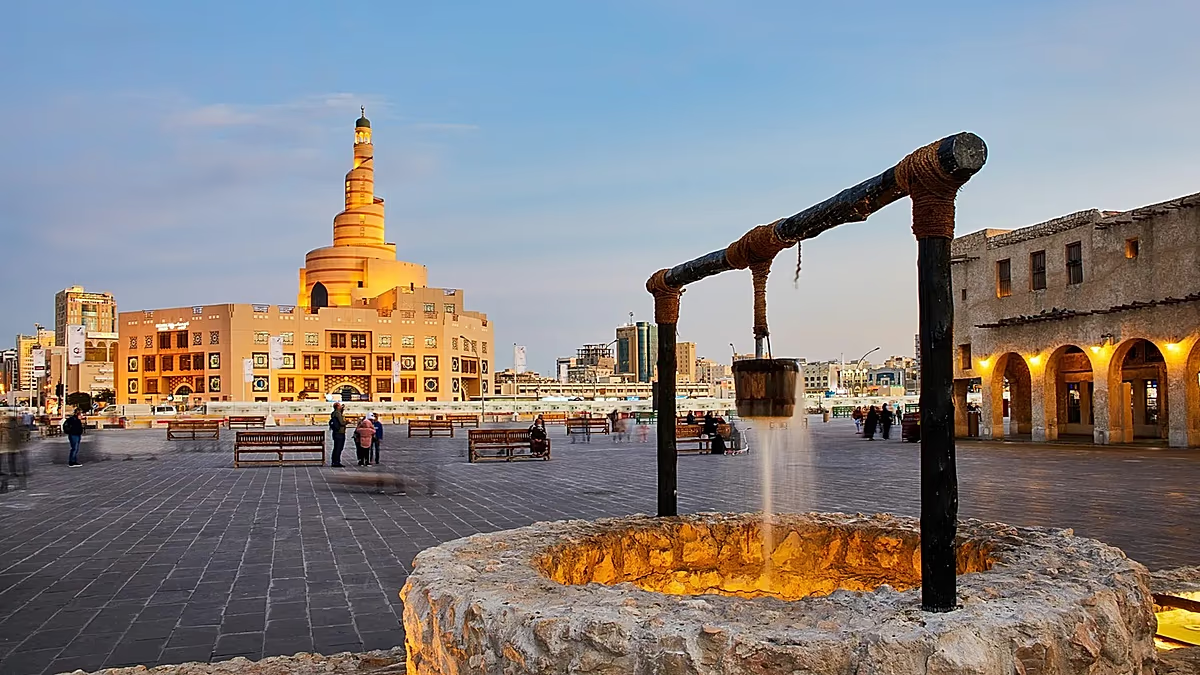
Navigating your journey to this Arabian gem is remarkably effortless, offering a stress-free welcome to international visitors. For citizens of the European Union, alongside travelers from the United Kingdom, Switzerland, Iceland, Bosnia and Herzegovina, Azerbaijan, and dozens of other nations—totaling more than 102 countries worldwide—visiting Qatar is as simple as carrying a passport valid for at least three months and presenting a confirmed hotel booking to enjoy visa-free entry. Upon stepping out of the award-winning, architecturally stunning Hamad International Airport, you are immediately connected to the city via a sleek, whisper-quiet, and fully automated metro system that makes exploring Doha incredibly easy and highly affordable. Your very first stop should undoubtedly be Souq Waqif, a beautifully restored historical market in Doha’s old town that serves as the ultimate sensory gateway to traditional Qatari culture. Here, the air is thick with the rich, intoxicating aromas of burning agarwood and towering jute sacks overflowing with premium Arabic spices, including delicate saffron threads, earthy za’atar, tart sumac, dried black lemons, and a sweet, endless variety of dates, honey, and specialty tea leaves. As you wander deeper into the souq’s vibrant corridors, you will discover the fascinating Falcon Souq, where passionate, incredibly hospitable shopkeepers will eagerly invite you to hold one of these majestic, highly revered birds of prey on your arm for a memorable photograph. Just a stone’s throw away, you can visit the tranquil camel pens to admire these gentle, doe-eyed desert creatures up close, or stand quietly by the heritage stables to watch magnificent, purebred Arabian horses gallop gracefully across the grounds, ridden by local equestrians dedicated to keeping our equestrian legacy alive.
Once you have immersed your senses in the timeless atmosphere of the souq, Doha invites you to explore its spectacular, rapidly evolving culinary landscape, which perfectly mirrors the country’s unique blend of local tradition and cosmopolitan sophistication. Home to more than 3,000 diverse restaurants, the capital city offers an extraordinary gastronomic journey that spans from authentic Qatari and regional Gulf delicacies to highly creative Latin American, Asian, and European fusion concepts. The sheer quality and creativity of this dining scene officially caught the attention of the prestigious Michelin Guide, which made its highly anticipated debut in the country in 2024, honoring 41 exceptional dining establishments, including three that earned coveted Michelin stars and eight awarded the highly respected Bib Gourmand. For an unforgettable night out, you can indulge in exquisite coastal Mediterranean fare at Nota Blu, a chic Spanish brasserie located at the luxurious Four Seasons The Pearl-Qatar, or experience the delicate artistry of contemporary Chinese cuisine at Kai’s Songbird, nestled within the exclusive Corinthia Yacht Club. Yet, the true beauty of eating in Doha lies in its marvelous contrast; after experiencing world-class fine dining, there is nothing quite like sitting on a simple wooden bench in a lively alleyway to enjoy local comfort food, such as a warm, freshly baked chapatti wrapped around melted cheese and paired with a steaming paper cup of sweet, saffron-infused karak tea from the beloved local spot, Karak Mqanes. This culinary diversity is perfectly mirrored by the country’s compact geography, which allows you to transition seamlessly from the sophisticated, high-energy dining rooms of the city to wild, untouched natural landscapes in less than an hour. Without a complicated itinerary, you can easily spend your morning admiring towering skyscrapers and your afternoon embarking on an adrenaline-fueled dune bashing adventure in the desert, spotting the rare and elegant Arabian oryx, or relaxing along our pristine coastlines where you can paddleboard, kiteboard, or take a peaceful cruise on a traditional wooden dhow boat in waters that serve as a sanctuary for the world’s second-largest population of dugongs.
To truly understand the natural poetry of this peninsula, one must travel to its southern reaches to witness the breathtaking majesty of Khor Al Adaid, globally renowned as the “Inland Sea.” This extraordinary UNESCO-recognized natural wonder is one of the very few places on Earth where the deep, golden sands of a massive desert plunge directly into the cool, tranquil waters of a landlocked marine lagoon. Surrounded by towering dunes that rise up to forty meters in height, the water here remains incredibly calm, warm, and crystal-clear, making it an idyllic and highly safe sanctuary for swimming, kayaking, and quiet reflection, with the absolute best time to visit being during the cooler, sun-drenched months stretching from November through April. The surrounding landscape is a dramatic tapestry of rugged rocky ridges, ancient cliffs, and salt flats, located just a scenic two-hour drive from Doha near the border of Saudi Arabia, offering an escape that feels entirely disconnected from the modern world. This deep, spiritual connection to the water is not a new chapter in our story; rather, it is anchored in thousands of years of history, long before the modern skyline existed, when Qatar’s economy was centered entirely around the dangerous and legendary pearl-diving trade. Our coastal waters are historically tied to some of the oldest natural pearls ever discovered, with archaeological evidence dating these precious gems back to 4600 BCE, establishing a legacy of seafaring craftsmanship that defined our ancestors. Today, you can take a profound, emotional dive into this pearling history at the magnificent, rose-shaped National Museum of Qatar, where priceless, intricately crafted pearl jewelry is beautifully displayed, or witness the modern evolution of this sparkling heritage during the prestigious, world-famous Doha Jewellery & Watches Exhibition, which draws the world’s finest artisans to our shores.
While the country’s natural landscapes possess a quiet, ancient power, its urban centers are alive with a profound, forward-looking celebration of human creativity, heritage, and intellectual curiosity, epitomized by the stunning Katara Cultural Village. This expansive, beautifully designed waterfront district acts as a vibrant cultural beacon, bringing together striking amphitheaters, public art installations, independent galleries, and incredible architectural styles that showcase the very best of regional and international creativity. For families and astronomy enthusiasts alike, the state-of-the-art Al Thuraya Planetarium offers a fascinating, educational journey through the stars, mapping out the cosmos while beautifully illustrating the pivotal historical role that astronomy played in early Islamic navigation, agricultural cycles, and religious traditions. After expanding your mind at the planetarium, you can enjoy a leisurely, highly sophisticated stroll down 21 High Street, an ultra-luxurious, outdoor pedestrian avenue within Katara that features the iconic Galeries Lafayette department store, elegant cafes, and a ground-breaking, eco-friendly outdoor cooling system built into the paved streets to ensure a perfectly comfortable climate year-round. If your journey calls for a deeper, more personal sense of restoration and wellness after days of exploration, you can travel north to the coastal sanctuary of Al Ruwais, home to the world-renowned Zulal Wellness Resort by Chiva-Som. This exceptional, peaceful beachfront retreat specializes in Traditional Arabic and Islamic Medicine (TAIM), drawing direct, holistic inspiration from Ibn Sina’s historic 1025 text, The Canon of Medicine, to offer deeply personalized therapeutic treatments, guided meditations, physiotherapy, acupuncture, and soothing coastal activities like paddleboarding and kayaking, proving that Qatar is just as much a destination for profound physical and mental rejuvenation as it is for grand adventure.
Ultimately, what makes Qatar such a deeply captivating destination is its rare, heartwarming ability to wrap this rich tapestry of adventure, history, culture, and luxury into an exceptionally safe, clean, and family-friendly environment that caters beautifully to travelers of all generations. Parents traveling with children will find an abundance of joy and convenience at every turn, from high-energy indoor theme parks like Angry Birds World and the futuristic Doha Quest, to the beautifully interactive Dadu Gardens, which offers hands-on, nature-based educational play for young children right in the heart of the city. To make family travel even more appealing, the national tourism board, Visit Qatar, hosts an annual “Hala Summer” campaign, which treats visitors to a wonderful array of exclusive promotions, special dining discounts, and free entry tickets to some of the country’s most popular entertainment venues and cultural attractions. To truly complete your journey, you must step off the beaten path to explore our highly curated bucket list of cultural landmarks: wander through the emerald-green mangroves of Purple Island near Al Khor, stroll past the charming, pastel-colored buildings of the historic Mina District at the Old Doha Port, marvel at the modern elegance of Gewan Island and Msheireb Downtown, or watch majestic stallions train at the world-class Al Shaqab Equestrian Center. You can find quiet reflection amidst the lush greenery of Oxygen Park, stand in silent awe before the towering, surreal steel monoliths of Richard Serra’s East-West/West-East sculpture rising from the desert floor of the Brouq Nature Reserve, or explore the rugged stone walls of the UNESCO World Heritage-listed Al Zubarah Fort. Armed with a few simple, helpful local facts—such as the use of the Qatari Riyal, the widespread and fluent use of English alongside our native Arabic, the unique Friday-and-Saturday weekend rhythm, and our deeply welcoming culture—you will find that Qatar is not just a place you visit, but a warm, unforgettable home that embraces you with open arms and leaves an indelible mark on your soul.