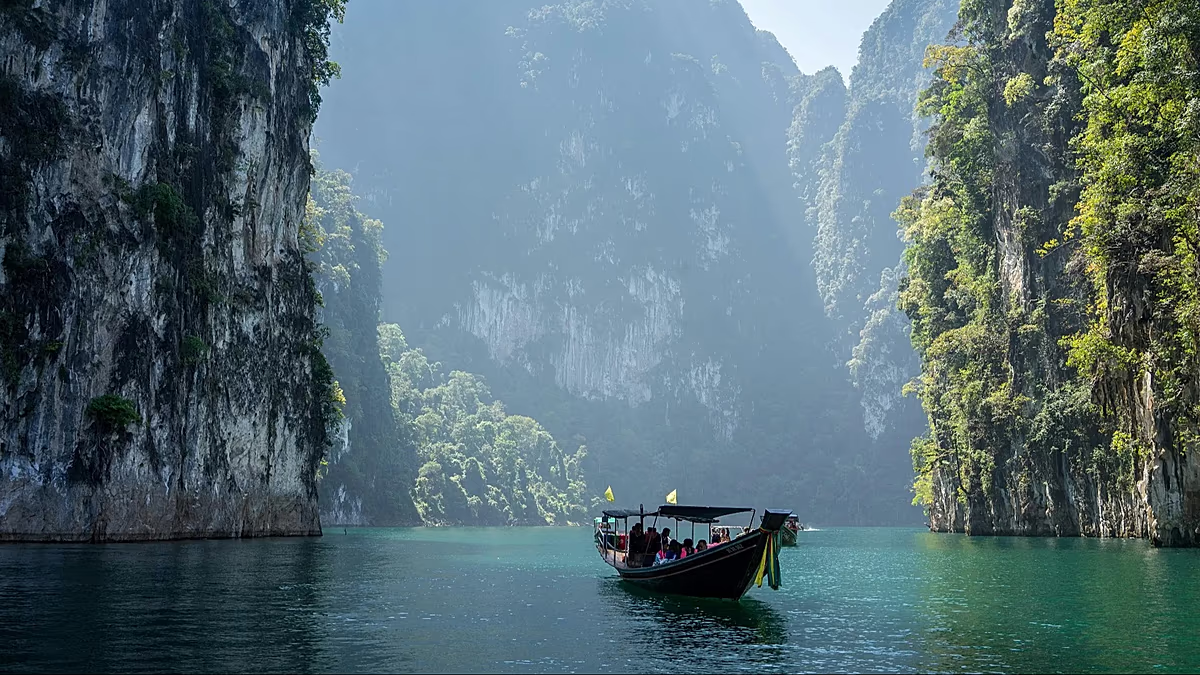






Tucked away in the emerald embrace of southwest China’s Guangxi Zhuang Autonomous Region lies Guilin, a place where the boundaries between the physical world and classical Chinese ink paintings dissolve into mist. Revered for millennia as the pinnacle of natural beauty under heaven, this extraordinary landscape of towering limestone karst mountains, winding jade-colored rivers, and deep, mysterious caverns has rightfully earned its status as a UNESCO World Heritage site. To step into Guilin is to step into a living gallery of geological wonders formed over hundreds of millions of years, where ancient seabed deposits have been sculpted by tectonic shifts and relentless rain into thousands of precipitous, green-clad peaks. For travel writer Dianne Apen-Sadler, exploring this ethereal corner of the globe is not merely a sightseeing excursion but a profound, slow-paced pilgrimage into the quiet, resilient soul of rural China. The air here, often thick with moisture and the sweet scent of blooming sweet osmanthus trees, carries a sense of ancient stillness that immediately strips away the frantic energy of modern urban life. Whether you are watching the morning fog drape itself lazily over the peaks or witnessing the sun set in a brilliant blaze of violet and gold behind a labyrinth of stone giants, Guilin commands an emotional presence that few other destinations on earth can replicate. It is a sanctuary where nature’s artistry is on grand, uninhibited display, offering weary travelers a chance to reconnect with the elemental beauty of the planet, discover vibrant ethnic traditions, and experience a style of hospitality that is as warm and enduring as the karst mountains themselves.
To fully appreciate the magic of Guilin, one must first explore the iconic natural wonders that sit right on the city’s doorstep, where urban life yields to timeless geographical marvels. No symbol represents the city’s identity quite like Elephant Trunk Hill, a majestic limestone arch situated at the confluence of the Li and Peach Blossom rivers that spectacularly mimics a giant elephant dipping its trunk into the water for a cool drink. Moving beneath the earth’s surface reveals an entirely different realm of wonder at the Reed Flute Cave, a subterranean palace millions of years in the making, where countless stalactites, stalagmites, and soaring stone pillars are illuminated by vibrant, multicolored lights that cast dreamlike reflections across still, underground pools. This cave, which has served as a sanctuary and point of fascination since the Tang Dynasty, features historic graffiti carved into its walls by ancient scholars, proving that humanity’s desire to marvel at the earth’s natural architecture is timeless. Back above ground, a climb up Fubo Hill or the Solitary Beauty Peak reward the adventurous with breathtaking, panoramic views of the city’s skyline pierced by sharp, steep hills, providing a striking visual metaphor for how Guilin’s urban developments have grown in humble deference to the surrounding wilderness. These close-to-town attractions offer a brilliant introduction to the region’s unique geography, proving that even within a bustling metropolitan area, the powerful spirit of the karst landscape is never more than a few blocks away.
The definitive soul of any Guilin adventure, however, lies in embarking on the legendary Li River cruise, a slow-boat journey that takes travelers downriver to the bohemian, mountain-ringed town of Yangshuo. This four-hour voyage along eighty-three kilometers of pristine, winding water is a transformative experience, guiding visitors through a sublime wilderness where water buffalo wallow in the shallows, bamboo groves sway in the gentle breeze, and fishermen gracefully navigate the rivers on traditional narrow bamboo rafts. As the ship glides along the emerald waters, passengers are treated to a parade of legendary peaks with evocative names like Nine Horse Fresco Hill, where the patterns on the sheer cliff face are said to resemble galloping wild horses, and the yellow-cloth reflection shoal, an image so iconic and culturally significant that it is immortalized on the back of China’s twenty-yuan banknote. Upon arriving in Yangshuo, the natural majesty transitions into an enchanting, youthful energy characterized by West Street’s lively mixture of traditional Chinese architecture, trendy cafes, and bustling market stalls. Here, Dianne recommends renting an electric scooter or a simple bicycle to lose yourself in the surrounding countryside, pedaling through the tranquil Yulong River Valley where karst peaks rise from vast, golden fields of canola flowers or lush green rice paddies. It is in these quiet, rural pathways, far from the tour buses, where you can watch the sunset turn the sky into a canvas of pink and orange behind the mist-shrouded peaks, reminding you of the ancient, poetic harmony between humanity and nature that still defines this region.
Venturing further beyond the river valleys reveals another side of Guilin’s immense beauty, found high up in the clouds at the spectacular Longji Rice Terraces, also known as the Dragon’s Backbone. Located about two hours north of the city, these colossal agricultural terraces cling to the steep mountain slopes like giant, winding steps, showcasing the extraordinary ingenuity of the local Zhuang and Yao ethnic minority communities who have painstakingly carved these hillsides by hand over the course of seven hundred years. The terraces present a constantly shifting, living artistic masterpiece that changes dramatically with the seasons; they mirror the sky as glittering silver water pockets in the spring, ripple with vibrant, emerald-green waves throughout the summer, glow with a dazzling golden brilliance during the autumn harvest, and lie quiet under a serene blanket of winter frost and snow. Visiting the rustic, wooden-stilt villages of Ping’an or Dazhai nestled within these hills allows travelers to immerse themselves in indigenous cultures that have remained remarkably preserved against the march of modernization. Here, visitors can meet the Red Yao women, famous for their Guinness World Record-holding, lustrous black hair which they only cut once in their lifetimes as a rite of passage, or watch local farmers plow the steep slopes using traditional water buffalo. Eating a hearty meal of bamboo-tube rice—slow-roasted over an open wood fire right in a villager’s home—while looking out over the endless, sweeping curves of the terraces is a deeply grounding experience that bridges the gap between traveler and host through shared appreciation of the land.
No journey through Guilin is truly complete without diving headfirst into its remarkable, sensory-rich culinary heritage, which beautifully reflects the region’s diverse geography and rich blend of cultural influences. The undisputed crown jewel of local cuisine is the legendary Guilin Rice Noodles, or Mifen, a historic and comforting breakfast dish dating back over two thousand years to the Qin Dynasty, featuring silky-smooth round rice noodles piled high with crispy roasted pork, tender beef slices, pickled cowpeas, crunchy fried peanuts, fresh coriander, and a splash of a secret, highly aromatic spiced herbal broth. For those exploring the riverside towns, the iconic Yangshuo Beer Fish is an absolute must-try delicacy; fresh carp or catfish caught daily from the clean waters of the Li River is braised whole in a piping-hot wok with local Liqian beer, fresh tomatoes, bell peppers, wild garlic, and chili peppers, resulting in a rich, savory, and wonderfully tender dish that bursts with regional energy. Adventure-seeking foodies should also seek out You Cha, or Yao minority oil tea, a traditional, bitter-savory concoction made by frying tea leaves with garlic, ginger, and oil, then brewing it into a strong broth served hot with puffed rice, crispy noodles, and chopped scallions. Eating your way through Guilin is a beautifully tactile experience that encourages you to dine at small, steam-filled street-side stalls, pull up a plastic stool, and connect with locals over bubbling hot pots and spicy skewers, showcasing how deeply food is woven into the social fabric and daily rhythm of life in southern China.
As Dianne shares her final reflections on navigating this breathtaking region, she emphasizes several key tips to help travelers unlock the absolute best that Guilin and its surrounding countryside have to offer. Timing your visit is crucial to experiencing the landscapes at their most comfortable; the spring months from April to June bring misty, dramatic rains that fill the rivers and make the karst peaks look incredibly ethereal, while the crisp autumn months of September and October offer clear blue skies, golden rice terraces, and comfortable temperatures perfect for outdoor exploration. While modern high-speed bullet trains conveniently connect Guilin to major hubs like Hong Kong, Guangzhou, and Chengdu in just a few short hours, navigating the rural areas requires a bit of preparation, such as downloading local payment apps like WeChat Pay or Alipay and keeping offline translation tools handy to ease communication with friendly locals. Dianne also advises travelers to slow down their itineraries instead of rushing to check off every major sight, urging visitors to spend at least two or three nights in the smaller villages around Yangshuo or Longji to experience the quiet magic of rural mornings before the day-trippers arrive. Ultimately, the true wonder of Guilin is not found in its bustling tourist centers, but in those quiet, unexpected moments: a friendly nod from a farmer in the terraced fields, the taste of hot ginger tea on a rainy afternoon, or the quiet awe of watching the mist clear to reveal a skyline of ancient stone pyramids. It is a destination that does not merely invite exploration, but tenderly coaxes its visitors to slow down, breathe deeply, and carry a piece of its timeless, misty serenity home with them forever.