






There is a distinct, undeniable shift in a romantic relationship when you transition from sharing brief weekend evening dates and comfortable neighborhood dinners to booking your very first plane tickets together. The initial vacation with a new partner is a monumental milestone, representing a vulnerable rite of passage that can either permanently solidify your bond or gently expose the irreconcilable differences in your daily lifestyles. When you are suddenly thrust into a shared environment for several consecutive days, the charming quirks of your significant other can easily morph into frustrating obstacles under the lens of travel fatigue. What happens when your partner insists on setting an early morning alarm to conquer every historic monument and art museum in the city, while your soul craves a slow, luxurious morning of sleeping in? What if you prefer to simply lie on a beach chair and read, while they feel a compulsive, restless need to schedule every single hour with high-octane physical adventures? Even the quietest, most mundane behavioral habits are suddenly cast under a bright microscope, such as the crucial, deeply human need for thirty minutes of silent, uninterrupted phone time in bed to decompress before heading out to a busy dinner reservation. This private anxiety is far more common than most of us care to admit in the early phases of romance. In fact, a comprehensive survey conducted by industry giant Booking.com revealed that over three-thirds of British holidaymakers have actively planned and taken a dedicated holiday with a potential life partner specifically to evaluate their compatibility. If you are going to take this leap of faith, you naturally want to set yourself up for absolute success rather than relationship collapse. Understanding how physical environments shape emotional dynamics is the secret key to surviving this trial, allowing both of you the space to communicate, laugh at the unexpected hiccups, and fall deeper in love amidst the exciting backdrop of a beautiful, unfamiliar landscape.
Recognizing the incredibly high stakes of these early dual vacations, seasoned relationship and sex therapist Georgina Vass has teamed up with the stylish fashion brand Pour Moi to create an ingenious, practical roadmap for modern lovers: the Couples’ Holiday Success Index. This detailed ranking intelligently bypasses the superficial promises of typical glossy travel brochures to look closely at the mundane, practical elements that ultimately dictate whether a trip feels like an intimate, romantic escape or an exhausting, stressful ordeal. To determine which global destinations are truly ideal for fresh romances, the research team analyzed a series of crucial domestic and ecological factors. These included crowd-induced stress, financial affordability, personal safety, sleep quality, physical comfort, and opportunities for organic emotional bonding and shared experiences. Every potential destination was thoroughly vetted and scored out of 100 across these distinct metrics to generate an authoritative, definitive average score. The intelligence of this index lies in its profound recognition that romance does not exist in a vacuum; instead, it is heavily influenced by external, real-world pressures. Financial friction, for instance, is historically one of the leading causes of relationship strain, making affordability a major, underrated peacekeeper during a joint getaway. Similarly, a high-stress, noisy, and excessively crowded environment can quickly exhaust a couple’s mutual patience and emotional bandwidth, transforming what should have been a peaceful moment into an unnecessary argument over navigation or dinner reservations. By prioritizing rest, open space, and reliable safety, the index highlights locations that actively protect couples from these structural lifestyle stressors. This thoughtful methodology successfully shifts our focus away from simply chasing trendy Instagram backdrops on social media toward finding genuine, nurturing environments that foster deep emotional vulnerability, physical rejuvenation, and a real chance to connect without the exhausting noise of the modern world.
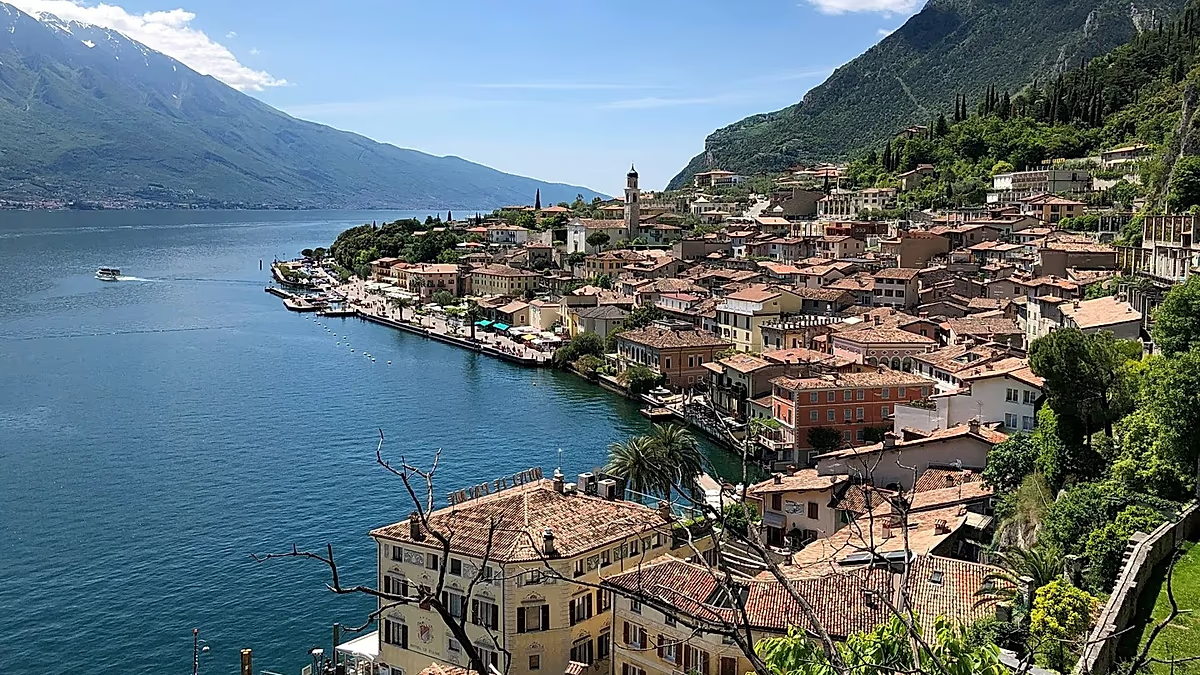
Topping this rigorous, scientifically-minded travel index is the breathtaking jewel of northern Italy, Lake Garda. While its highly glamorous neighbor, Lake Como, has historically captured the attention of Hollywood celebrities, wealthy global elites, and snap-happy social media influencers, Lake Garda quietly offers a far more genuine, romantic, and stress-free alternative for couples seeking to build an authentic, lasting connection. According to clinical insights from Georgina Vass, Italy’s largest lake earned a flawless, perfect score of 100 out of 100 for its supreme “bonding” potential, owing directly to its dramatic, sweeping alpine vistas, historical lakeside villages, and a naturally peaceful pace of daily life that actively encourages travelers to slow down and truly observe one another. The stunning destination also ranked exceptionally high in the crucial “sleep and comfort” category, a parameter that is absolutely vital for couples adjusting to the brand-new physical rhythms of sharing a bed in unfamiliar, hot, or noisy surroundings. Located in the majestic embrace of northern Italy, Lake Garda presents an incredibly convenient travel itinerary, easily reachable via short, beautiful, and scenic transfers from major cultural airport hubs like Milan, Venice, or Verona. This logistical ease dramatically reduces the initial travel anxiety and physical depletion that so often derails a romantic getaway before it even begins. Once there, couples can spend their days drinking crisp, local white wines, wandering hand-in-hand through ancient Roman ruins, or taking slow, sun-drenched ferry rides across the shimmering, azure waters without having to battle their way through massive, overwhelming walls of pushy tourists. It is this unique, harmonious blend of effortless accessibility, tranquil geometric grandeur, and unhurried historic charm that makes Lake Garda the ultimate paradise for couples looking to ease into their first shared travel experience with mutual grace.
Beyond the Italian borders, the index highlights several other spectacular global destinations that expertly balance romance with practical daily comfort, starting with Slovenia’s enchanting Lake Bled in second place. This impossibly picturesque body of water, nestled gently beneath the Julian Alps, is globally famous for its fairy-tale island church, which couples can access by renting a traditional wooden rowing boat called a pletna in the warm summer months. The sheer, serene quietude of Lake Bled allows couples to engage in deep, uninterrupted conversations, free from the loud sensory overload of major modern metropolitan areas. For couples who value financial peace alongside rich cultural intrigue, the coastal town of Essaouira in Morocco clinched the third position, standing out as the absolute most affordable destination within the entire top ten list of the index. Essaouira allows partners to wander through a UNESCO-listed fortified medina, enjoy fresh, inexpensive seafood along the Atlantic, or melt away travel tension with a traditional, relaxing hammam massage treatment. Moving north, the fourth spot on the scale is claimed by the idyllic, car-free Dutch village of Giethoorn. Known creatively as the “Venice of the North,” this unique community can only be navigated by bicycle or quiet electric boat, forcing couples to rely on silent, cooperative navigation through peaceful, willow-draped canals that naturally inspire teamwork and lighthearted laughter. Rounding out the top five is the dramatic coastal town of Kotor in Montenegro, where medieval history meets dramatic geology. Here, couples can challenge themselves by climbing the ancient fortress stairs for a rewarding, panoramic view over the bay, or lose themselves in the stone-walled alleys of the UNESCO-chartered Old Town, enjoying a perfect mixture of physically rewarding outdoor adventure and quiet, historic coastal charm.
The wider top twenty list offers a fascinating, diverse cross-section of travel styles, proving that there is no singular formula for romantic success. For couples who thrive on pure luxury and tropical warmth, the far-flung, pristine beaches of the Seychelles and Zanzibar in Tanzania offer intimate, sun-soaked island sanctuaries where the relentless stresses of daily career pressures can be completely washed away by the tide. Meanwhile, iconic romantic staples like Greece’s cliffside gem of Santorini, Croatia’s historic walled city of Dubrovnik, and Italy’s breathtaking Amalfi Coast, Verona, and Positano remain highly popular, legendary choices for couples who want to indulge in classic European architectural beauty and fine dining. However, the presence of more rugged, introspective landscapes on the list highlights a growing public appetite among modern couples for deeper, more unconventional travel experiences. For example, Japan’s cultural heart of Kyoto offers a serene, mindful journey through quiet bamboo forests, ancient temples, and meditative rock gardens, creating an atmosphere of deep mutual respect and quietude that can translate beautifully into how partners treat one another. On the opposite side of the geographical spectrum, the raw, high-adrenaline landscapes of New Zealand’s Queenstown or the misty, windswept, and rugged isolation of Denmark’s Faroe Islands offer a nature-filled playground for adventurous spirits who prefer to connect through physical endurance, outdoor discovery, and the humbling awe of nature. This immense diversity within the top twenty destinations serves as a comforting reminder that the best travel destination is one that matches your unique, emerging shared identity. Whether you are navigating the packed, highly sensory labyrinth of Marrakech, taking a quiet gondola ride in Venice, or hiking the dramatic, volcanic cliffs of Madeira, the ultimate goal remains the same: to find a supportive physical coordinates where your individual personalities can harmonize seamlessly.
Ultimately, while therapist-approved indices and data-driven rankings can offer excellent structural guidance, the true, lasting magic of a first trip together lies in how you both handle the unexpected, unscripted moments that no list can possibly predict. Unexpected flight delays, lost luggage, bad weather, and confusing language barriers are inevitable parts of the collective travel experience, but these are also the precise real-world moments where true compatibility is forged. How you and your partner choose to react when things do not go according to your carefully curated itinerary is the ultimate, telling reflection of your future resilience as an emotional team. A frustrating six-hour flight delay can either become an unexpected opportunity for a long, revealing conversation over a shared plate of airport fries, or a direct catalyst for cold silence and mutual resentment. By choosing a smart destination that scientifically minimizes baseline stressors—like the peaceful, crowd-free shores of Lake Garda or the quiet, car-free canals of Giethoorn—you intentionally give yourselves the emotional breathing room needed to handle these unpredictable, chaotic travel bumps with humor, patience, and mutual grace. Traveling together successfully strips away the artificial daily routines and domestic shields we commonly use to protect ourselves, forcing us to show our rawest, most tired, and most authentic selves to another human being. Letting someone see you when you are sleep-deprived, disoriented, or struggling to read a map is an act of profound, beautiful vulnerability. When you finally return home from that first successful trip, you bring back far more than just souvenirs and photographs; you bring back a solid, proven foundation of mutual trust, a lifelong collection of private jokes, and the comforting, secure knowledge that you can successfully navigate both the wide world and the unpredictable journey of life together as a unified, loving team.