



Here is a humanized summary of the news about Machu Picchu’s new ticketing system, expanded into six rich paragraphs.
—
Machu Picchu has long held a special place in the imagination of travelers around the world. As one of the New 7 Wonders of the World and a UNESCO World Heritage Site, this ancient 15th-century Inca citadel perched high in the Peruvian Andes is the kind of place people dream about for years. It is a bucket-list destination in every sense of the phrase—a place you save for, plan for, and count down the days to visit. For many, the hardest part is not the journey itself but securing a ticket to get in. The demand has always been enormous, and the process could be stressful, with tickets sometimes selling out months in advance. That is why the recent announcement from Peru’s Ministry of Culture feels like a breath of fresh air. The government has decided to scrap the old system of advance reservation tickets and replace it with a much more streamlined online purchase process. This change is designed to make the ticketing experience easier and more transparent, meaning that travelers no longer have to navigate the anxiety of planning their entire trip around a hard-to-get reservation. If you’ve been dreaming of standing before the majestic stone terraces and seeing the mist roll over the mountains, this news could be the nudge you need to finally book that adventure.
Under the new system, tickets are purchased directly through the official ticketing website, Tu Boleto, and the process is intentionally fast. When you begin the purchase, you now have just 15 minutes to complete the transaction before your reservation is dismissed and the tickets are returned to the general pool for other travelers. This might sound like a tight window, but it is actually a welcome change for anyone who has ever been frustrated by tickets being held indefinitely or by seeing “available” seats disappear at the last moment. The quick turnaround ensures that the availability shown on the platform truly reflects tickets that can be bought by the public. In other words, there are no more phantom reservations cluttering the system. Another important update is that all tickets are now issued in the name of the traveler. Your ID must match the name on the ticket exactly, which adds a layer of security and helps prevent scalping and resale. It also means you should double-check your personal information before completing your purchase, because once the ticket is in your name, there is little room for error. The new system is being introduced as a trial run, and the 15-minute limit may be increased or decreased after the initial period. For now, though, it is a small price to pay for a much smoother and fairer way to secure your spot at one of the most extraordinary archaeological sites on Earth.
While the ticketing process has become easier, the strict limits on the number of visitors have not changed. The Machu Picchu citadel remains a protected and fragile site, and the Peruvian authorities are committed to preserving it for future generations. During the high season, the daily visitor cap is set at 5,600 people, while the low season allows 4,500 visitors per day. These numbers are carefully monitored, and once they are reached, no more tickets are sold. In addition, the famous Inca Trail network, which is the trekking route that many adventurers take to reach the citadel on foot, is capped at 750 people per day. This includes both trekkers and the guides and porters who accompany them, so spaces on the trail are even more limited. For those who find themselves in the area without a pre-purchased ticket, there is still an option: the DDC-Cusco ticket office in Machupicchu Pueblo makes 1,000 tickets available for purchase each day. These tickets can be used the day after you buy them, which offers a small but meaningful safety net for spontaneous travelers. Still, the best approach is to plan ahead and secure your ticket online as soon as your travel dates are confirmed. With the new 15-minute window, you’ll want to be ready with your ID and payment details in hand.
Getting to Machu Picchu is an adventure in itself, and understanding the route is key to enjoying the experience. For travelers coming from Europe, the journey begins with an international flight to Peru’s capital, Lima. From there, you take a domestic flight to Cusco, which is the historic former capital of the Inca Empire and the gateway to the Sacred Valley. Once you are in Cusco, the next leg of the journey is a scenic train ride or bus ride to Aguas Calientes, also known as Machu Picchu Town. This small town sits at the base of the mountain and is the closest hub to the citadel. From Aguas Calientes, you have two choices: you can hike up the steep path to the entrance, which is a rewarding but physically demanding climb, or you can take a shuttle bus that winds up the mountain road. The bus is convenient and popular, but the hike offers a sense of accomplishment and a chance to appreciate the surrounding jungle and mountain scenery. If you prefer to skip the uncertainty of connecting flights and trains, there are direct flights to Lima from Madrid, Barcelona, Paris, and Amsterdam, making the journey from Europe more accessible than ever. Once you arrive, the mix of anticipation and awe as you approach the ancient stones is something that no photograph can truly capture.
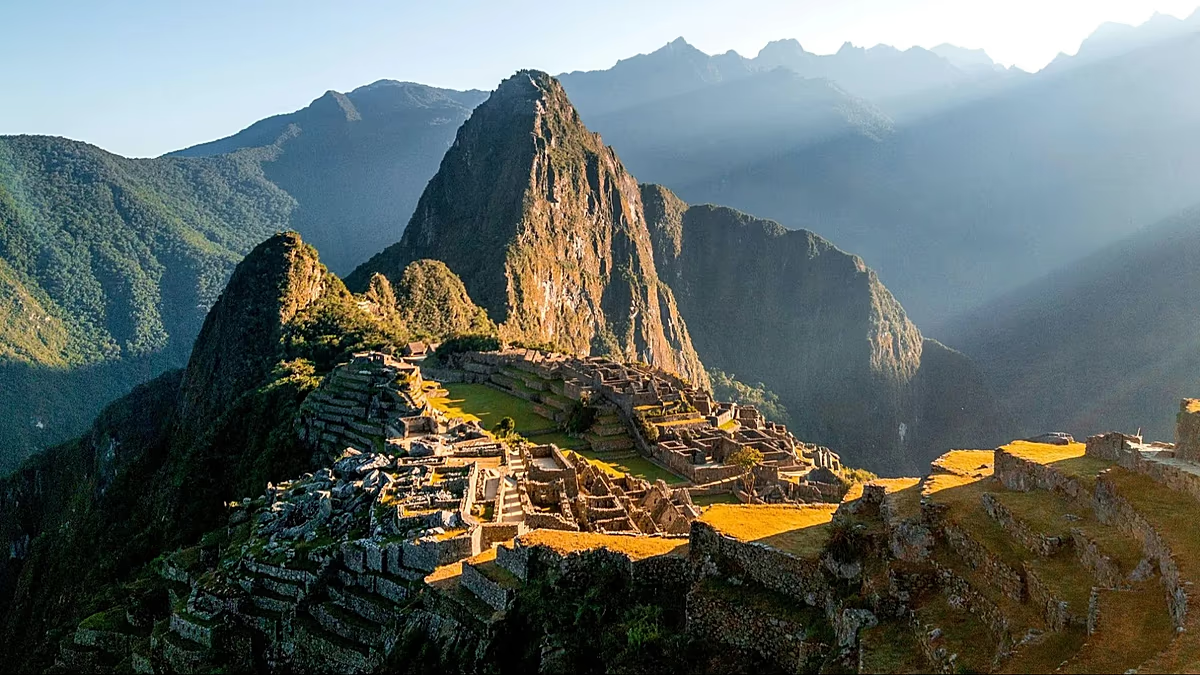
For those who make the journey, the reward is an experience unlike any other. Machu Picchu is not just a collection of stone walls and terraces; it is a place that seems to hold the memory of an entire civilization. Walking through the Sun Gate, you feel the cool mountain air and hear the sound of wind passing through the high Andes. The site is surrounded by lush green peaks, and the clouds often drift low, giving the ruins a mystical, almost otherworldly atmosphere. It is easy to imagine the Incas living here centuries ago, cultivating the terraced fields, observing the stars, and honoring their gods in the temples that still stand today. Whether you arrive after a multi-day trek along the Inca Trail or after a short bus ride from Aguas Calientes, the moment you step onto the grassy plaza and look up at Huayna Picchu looming above, you understand why this place is considered a wonder of the world. It is also a deeply spiritual place, one that invites quiet reflection and a sense of connection to history. As you explore the narrow pathways, the intricate stonework, and the ceremonial buildings, you cannot help but feel grateful that this extraordinary place has been preserved so carefully.
In the end, this new ticketing system is more than just a logistical update; it is an invitation. It signals that Peru is eager to welcome travelers and make the journey to Machu Picchu as smooth as possible while still protecting the site’s fragile beauty. The 15-minute window may seem quick, but it is a small and understandable hurdle in exchange for the peace of mind that comes with a fair, secure, and transparent system. If you have been putting off this trip because of the daunting task of securing tickets, now is the perfect time to start planning. Gather your passport, choose your dates, and keep an eye on the official Tu Boleto website. With a little luck and quick fingers, you could soon find yourself standing among the ancient stones, breathing in the thin mountain air and watching the sunrise paint the peaks in shades of gold. Machu Picchu has waited for centuries, and it will be there when you arrive—but your ticket might not be, so don’t wait too long. The adventure of a lifetime is closer than you think, and the new system just made it that much easier to reach.