





As the global spotlight turns toward the upcoming summer of 2026, football fans from every corner of the earth are preparing to descend upon Monterrey, a city where dramatic natural architecture meets an unstoppable passion for the beautiful game. Nestled in northeastern Mexico, this bustling industrial powerhouse is gearing up to show the world that it is far more than just a center of commerce. Here, the landscape itself seems to participate in the game, with the majestic, saddle-shaped peaks of the Cerro de la Silla mountain range looming over the city like stone giants cheering from the sidelines. But traveling supporters should prepare themselves for more than just breathtaking views; the northern Mexican summer is famously fierce, with June and July temperatures routinely climbing past a blistering 38°C (100°F). Surviving and enjoying this soccer pilgrimage will require a practical strategy of constant hydration, generous layers of high-SPF sunscreen, and light, breathable clothing. Yet, whatever heat the weather inflicts will easily be matched—and surpassed—by the warmth of the local Regiomontanos. The people of Monterrey are legendary for their open-hearted hospitality, a trait deeply woven into the local culture. They have a history of treating traveling supporters as long-lost friends, a spirit famously demonstrated during past intercontinental playoffs when locals passionately adopted the visiting Iraqi national team and their fans, creating an atmospheric second home for them. This same spirit of solidarity, joy, and open-door hospitality awaits the waves of international visitors ready to make memories in 2026.
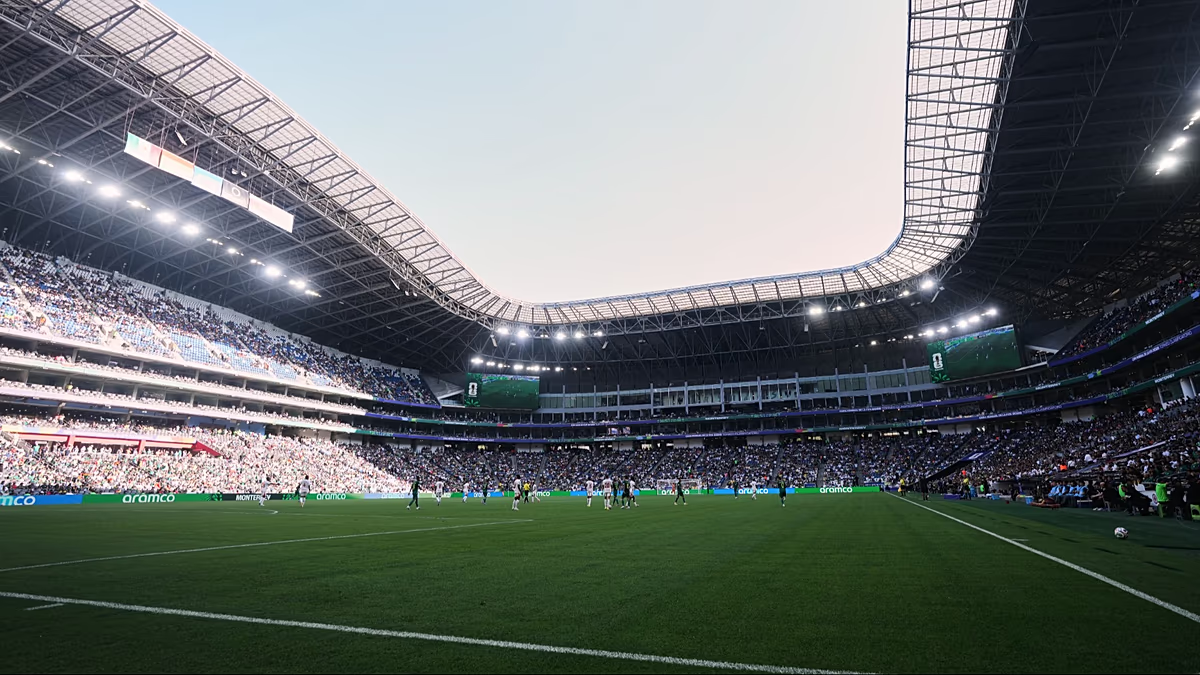
At the very heart of this coming cultural exchange is Monterrey’s deep-seated, almost religious obsession with football. Long before the FIFA World Cup selected this city as a host venue, football was the undisputed pulse of daily life here. The city is defined by one of the most intense, electric, and beautiful domestic rivalries in all of Latin America: the battle between CF Monterrey (affectionately known as Rayados) and Tigres UANL. When these two giants face off in the Clásico Regiomontano, the entire metropolitan area grinds to a halt, divided into a passionate sea of blue-and-white stripes and vibrant yellow-and-blue jerseys. Monterrey is certainly no stranger to the grandest international stages, having proudly hosted matches during the legendary 1986 World Cup. The tournament’s return in 2026 represents a homecoming of sorts, finding its modern stage at the gorgeous Estadio BBVA—rebranded as Estadio Monterrey for the tournament. With a capacity of 53,500, this cutting-edge venue is widely considered one of the most visually stunning stadiums in the world, specifically designed to wrap around the natural silhouette of the Cerro de la Silla mountain, ensuring that every seat in the house offers a jaw-dropping blend of world-class sport and raw, mountainous beauty.
For the 2026 tournament, Estadio Monterrey will serve as the battleground for four highly anticipated matches, featuring an eclectic mix of footballing styles, cultures, and tactical philosophies. The action kicks off on June 15, 2026, with a highly anticipated Group F clash between the tactical discipline of Sweden and the clinical flair of Tunisia. Just five days later, on June 20, 2026, Tunisia will return to the pitch to face off against the fast, technical precision of Japan in another crucial Group F encounter. The group-stage drama reaches a crescendo on June 25, 2026, when the energetic, high-pressing South Korean squad takes on the physical and resilient South African team in a crucial Group A match. Finally, on June 30, 2026, the stakes reach a fever pitch as Monterrey hosts a high-profile Round of 32 knockout match, pitting the proud winner of Group F directly against the battle-tested runner-up of Group C. For fans lucky enough to hold tickets to these matches, a few insider stadium tips will go an incredibly long way. The stadium’s breathtaking, undulating steel structure is a masterpiece of modern architecture, but it acts as a massive heat trap on hot afternoons. If your tickets are located in the East stand, you will find yourself facing directly into the intense afternoon sun; coming prepared with polarized sunglasses, a wide-brimmed hat, and plenty of water is absolutely crucial. Conversely, those seated in the West stand (known locally as the Poniente) will be treated to early shade as the sun dips behind the mountain, offering a much cooler matchday experience.
Beyond the thrills of the stadium, Monterrey offers a fascinating urban tapestry that seamlessly blends rich colonial history with modern industrial triumph. Any exploration of the city must begin at the Macroplaza, an colossal public square that ranks among the largest in the world. This massive central plaza acts as the cultural and civic anchor of Monterrey, surrounded by architectural treasures such as the majestic, historic Metropolitan Cathedral and the stately Government Palace. To experience the historic soul of the city, one only needs to take a short walk into the cobblestone streets of the adjacent Barrio Antiguo (the Old Quarter). This charming neighborhood feels like a peaceful escape from the modern high-rises, featuring beautifully preserved colonial-era mansions painted in vibrant, warm Mediterranean hues. Today, the Barrio Antiguo has transformed into Monterrey’s bohemian crown jewel, where visitors can spend their afternoons wandering through independent art galleries, browsing dusty antique shops, or savoring a slow pour of locally roasted coffee in hidden, leafy courtyards. This historic charm transitions into a tribute to Monterrey’s industrial heritage at Parque Fundidora. Once a towering iron and steel foundry, this massive industrial site has been masterfully reclaimed as a sprawling, green urban oasis. The park is home to the peaceful Paseo Santa Lucía, a beautiful, crystal-clear artificial river where visitors can embark on scenic boat rides or enjoy a relaxing stroll along shady bank-side paths, taking in the perfect blend of heavy machinery-turned-art and natural flora.
For many travelers, the ultimate highlight of their northern Mexican journey will undoubtedly be found on a plate. Monterrey is universally celebrated across the nation as the undisputed capital of the grill, having popularized the beloved social and culinary ritual of the carne asada. To the locals, a carne asada is far more than just a meal; it is a sacred weekend gathering of family and friends, defined by the smoky aroma of premium beef sizzling over hot mesquite coals. The city’s legendary steakhouses and humble neighborhood asadores showcase exquisite local cuts, including rich rib-eyes, perfectly seasoned arrachera (skirt steak), and the iconic regional delicacy known as cabrito—tender, young goat slow-roasted over open flames until the meat falls off the bone. While the grill is king, the local street food scene offers its own incredible options, from spit-roasted tacos de trompo marinated in rich achiote to crispy, overstuffed gorditas campechanas and pillowy quesadillas oozing with rich, melt-in-your-mouth local cheeses. Over the last decade, Monterrey’s culinary landscape has undergone an exciting evolution, with a boom in local craft breweries and sophisticated cocktail lounges. Innovative young chefs are constantly pushing boundaries, fusing traditional northern Mexican techniques with global flavors from the Mediterranean, Asia, and the American South, resulting in a dining scene that is incredibly diverse, accessible, and endlessly exciting.
Navigating this buzzing metropolis during the electric atmosphere of the World Cup will be surprisingly easy, thanks to some clever urban planning. The crown jewel of the tournament’s fan experience is the official FIFA Fan Zone located within the vast, green expanses of Parque Fundidora, where fans can watch matches on giant screens, enjoy ice-cold drinks, and mingle with fellow supporters from around the world. To make traveling to the games as fun and stress-free as possible, the city has created an impressive 8-kilometer pedestrian corridor. This lively walkway stretches all the way from downtown Monterrey directly to the stadium gates in the suburb of Guadalupe. Along this scenic, energetic path, fans will encounter a carnival of local street-food vendors, talented musicians, and vibrant community zones designed for supporters to walk, drink, and soak in the matchday atmosphere together. For those looking to save their feet for the stadium, public transport is a highly efficient option: simply jump on Metro Line 1 and ride it east to the Exposición terminal station, which connects directly to a secure, well-lit pedestrian walkway that leads you straight to the stadium gates. While rideshare options like Uber and DiDi are widely available throughout the city, visitors should expect heavy traffic gridlock and significant surge pricing around the stadium on matchdays, making the metro and pedestrian paths the smartest choices. Ultimately, whether you are shouting for your country in the stands of the Estadio Monterrey, sharing a smoky plate of carne asada with new friends, or marching along the vibrant pedestrian path under the watchful eye of the Cerro de la Silla, Monterrey promises to deliver a World Cup experience that is intense, warm, and utterly unforgettable.