



In a fast-paced world dominated by screens, notifications, and the relentless march of modern schedules, there is a quiet, ancient call whispering from the heart of Italy that invites us to slow down, breathe, and walk. This call has been beautifully answered by a new initiative that unites various historical paths into a single, breathtaking network known as the Cammino di Francesco – Il Cammino della Luce (The Way of Francis – The Way of Light). Spanning an impressive 1,546 kilometers, this grand web of trails winds gracefully through six of Italy’s most culturally rich and geographically diverse regions: Abruzzo, Emilia-Romagna, Lazio, Marche, Tuscany, and Umbria. Now easily accessible through the official Italian tourism board website, these pathways offer modern travelers a chance to step back in time, trade the chaos of city life for the gentle rustle of olive groves, and follow in the literal and spiritual footsteps of Saint Francis of Assisi. Rather than a mere vacation, this journey is designed as a profound human experience, a physical and spiritual tapestry where every step connects the traveler to centuries of history, local communities, and the stunning, untouched landscapes of the Italian countryside. Whether you are a seasoned hiker looking for your next great physical challenge, a spiritual seeker yearning for quiet contemplation, or simply a curious traveler wanting to experience Italy from a deeply authentic perspective, these routes provide a rare sanctuary of peace and a reminder of the beauty that lies in simplicity.
The timing of this initiative carries immense significance, aligning with the solemn celebrations marking the eighth centenary of the death of Saint Francis, Italy’s beloved patron saint. His enduring legacy is further highlighted by a highly anticipated papal visit to Assisi, breathing fresh life into a message that has transcended centuries. Pietro Cannella, Italy’s Undersecretary of Culture, beautifully captured the essence of the project by noting that Saint Francis is celebrated not merely for his religious devotion, but because he embodies the core values that define the very soul of Italy: an absolute reverence for nature, an open heart for the marginalized, and an unwavering commitment to peace and dialogue. In our modern era, which is so often fractured by division and environmental crisis, Francis’s ancient philosophy serves as a remarkably contemporary guide. By tracing his historical footsteps, modern-day pilgrims do not just witness the past; they engage in an active dialogue with the present, transforming culture into a powerful tool for global unity and national pride. As travelers wander from quiet mountaintop sanctuaries to bustling valley communities, they are invited to reflect on these universal human values, turning a simple walking holiday into an active practice of empathy, mindfulness, and global connection.
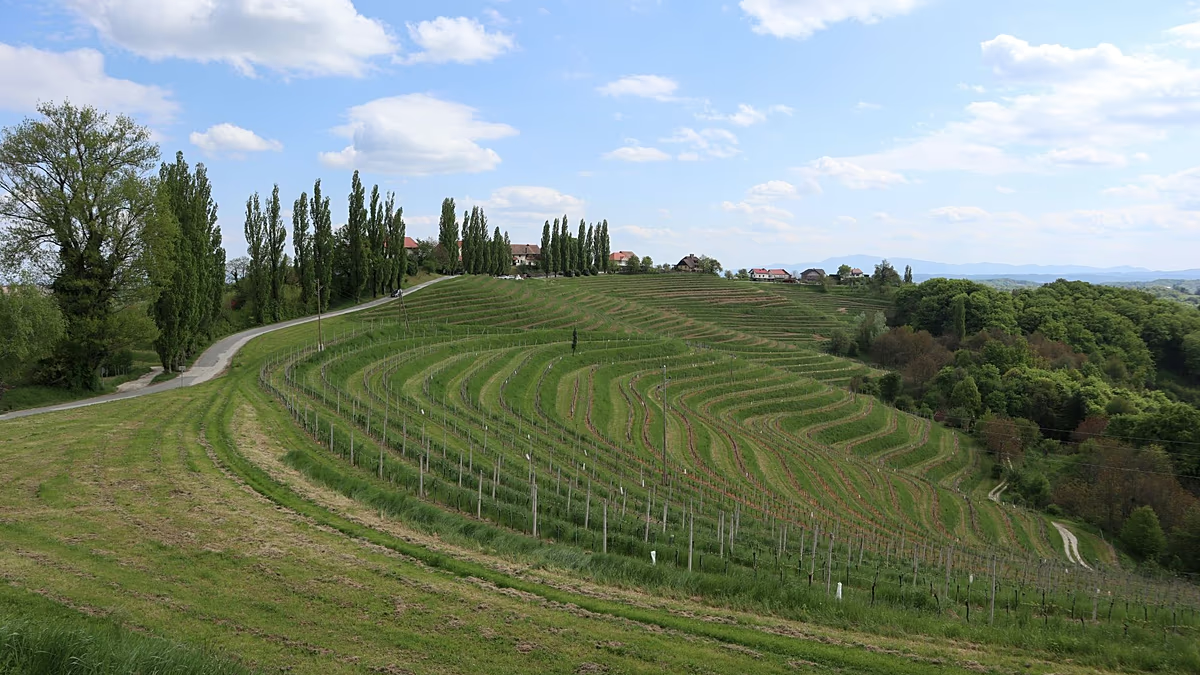
To walk the Cammino di Francesco is to immerse oneself in a sensory symphony that showcases the very best of the Italian peninsula. Each region traversed by the trail offers its own distinct character and unique treasures, inviting walkers to experience the incredible diversity of the land. In Tuscany, you might find yourself wandering through rolling hills of gold and green, lined with stately cypress trees and bathed in a soft, warm light that has inspired artists for generations. Crossing into Umbria, often called the green heart of Italy, the air turns cool and crisp as you climb through dense oak forests and past hidden stone hermitages where Saint Francis once prayed in solitude. The rugged mountains of Abruzzo challenge the body while feeding the soul with majestic, panoramic vistas, while the coastal breezes of the Marche and the historic, fertile plains of Lazio and Emilia-Romagna offer their own gentle rhythms. Along the way, the journey is punctuated by the warmth of Italian hospitality—a smiling innkeeper offering a glass of local wine, the aroma of freshly baked bread drifting from a village bakery, and the shared laughter of fellow travelers at the end of a long day’s walk. This is a journey where the landscape itself becomes a companion, teaching us to appreciate the slow changing of the seasons and the quiet beauty of the natural world.
One of the most endearing and practical aspects of embarking on this pilgrimage is the acquisition of the credenziale, or the pilgrim’s passport. Long before you lace up your boots or pack your backpack, you can request this physical document online, which serves as both an official record and a deeply personal keepsake of your journey. As you walk from village to village, stopping at historic churches, quiet monasteries, local tourist offices, and welcoming hostels, your passport will be stamped and dated, creating a beautiful, ink-stained map of your progress. In an incredibly thoughtful and humanizing touch that honors Saint Francis’s legendary love for all living creatures, the organizers have even created special pilgrim passports for pets. This delightful addition recognizes that for many people, their loyal dogs are not just pets, but cherished companions who share in the triumphs and trials of the road, exploring the dusty paths and sniffing the mountain air right alongside their humans. Carrying this passport fosters a wonderful sense of belonging and camaraderie along the trail, as locals instantly recognize the document and greet pilgrims with open arms, welcoming them into a global community bound together by the shared journey toward Assisi.
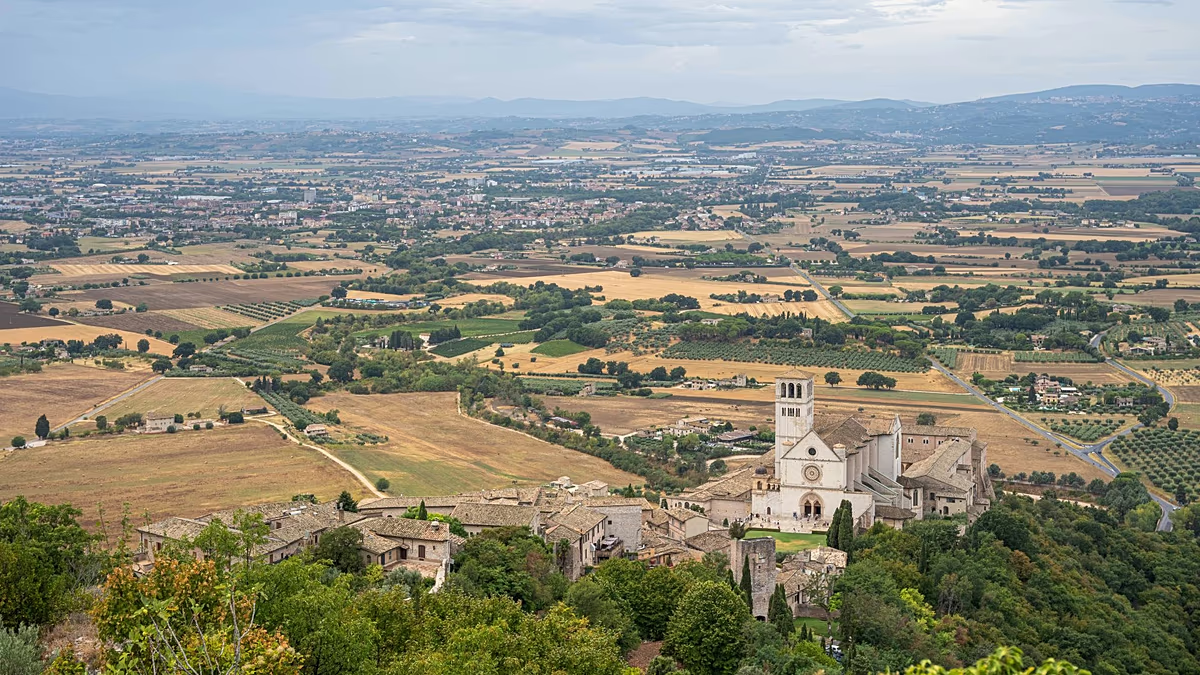
The ultimate destination for every route within this expansive network is the breathtaking hilltop town of Assisi, the birthplace and final resting place of Saint Francis. Built from local pink stone that seems to glow with a warm, celestial light at sunset, Assisi rises majestically from the Umbrian valley, welcoming weary travelers with an embrace that feels both historic and deeply comforting. To earn the official completion certificate, known historically as the Testimonium, pilgrims must complete the final 100 kilometers of the journey on foot, or navigate the last 200 kilometers by bicycle. Reaching the magnificent Basilica of Saint Francis and standing before his quiet, stone tomb is a moment of profound emotional release and triumph, often bringing tears to the eyes of those who have spent weeks on the road. This physical challenge is not merely about athletic achievement; it is a transformative process of shedding the unnecessary weight we carry in our minds, learning to rely on our own strength, and discovering the profound resilience of the human spirit. The certificate you receive at the end is a beautiful physical testament to your dedication, but the real reward is the deep sense of inner peace, accomplishment, and connection that stays with you long after the dust has been washed from your shoes.
Ultimately, the Cammino di Francesco – Il Cammino della Luce is far more than a collection of hiking trails; it is an open invitation to rediscover what it means to be human in a beautiful, fragile world. By weaving together the historic regions of Italy through the legacy of a saint who championed peace and nature, this project offers a timely blueprint for a more conscious, connected way of living. As you return to your daily life, the lessons of the trail—the kindness of strangers, the joy of a simple meal, the beauty of a quiet forest, and the strength found in perseverance—remain etched into your soul. It reminds us that we are all pilgrims on this earth, searching for light, understanding, and connection with one another and the world around us. Whether you walk for a weekend or journey for a month, with a heavy pack or a light heart, accompanied by a loyal pet or in quiet solitude, the Way of Francis promises to leave an indelible mark on your life, guiding you toward a brighter, more compassionate future.