


A new wave of travel marketing is sweeping across Spain’s tourism landscape, transforming once-simple weekend getaways into highly curated poetic escapes. What used to be a spontaneous Sunday drive to the historic Monastery of Santo Domingo de Silos in Burgos is now sold to eager travelers as a “refuge of therapeutic silence.” Similarly, a mountain hike through the quiet trails of Sierra Cebollera in La Rioja has been rebranded as a psychological journey where one can “lose oneself” to find inner peace. This shift represents the rise of slow tourism, an industry-driven philosophy designed to combat the overwhelming pressure of mass travel. In a country that hosted a staggering 96.8 million international visitors in 2025—nearly double its actual population—even the official national tourism authorities have fully embraced this trend. Industry specialists define the movement as a conscious, slow-paced approach to exploring the world, where travelers are encouraged to savor their surroundings, engage deeply with local cultures, and reject the frantic, checklist-driven sightseeing that has come to define modern vacations.
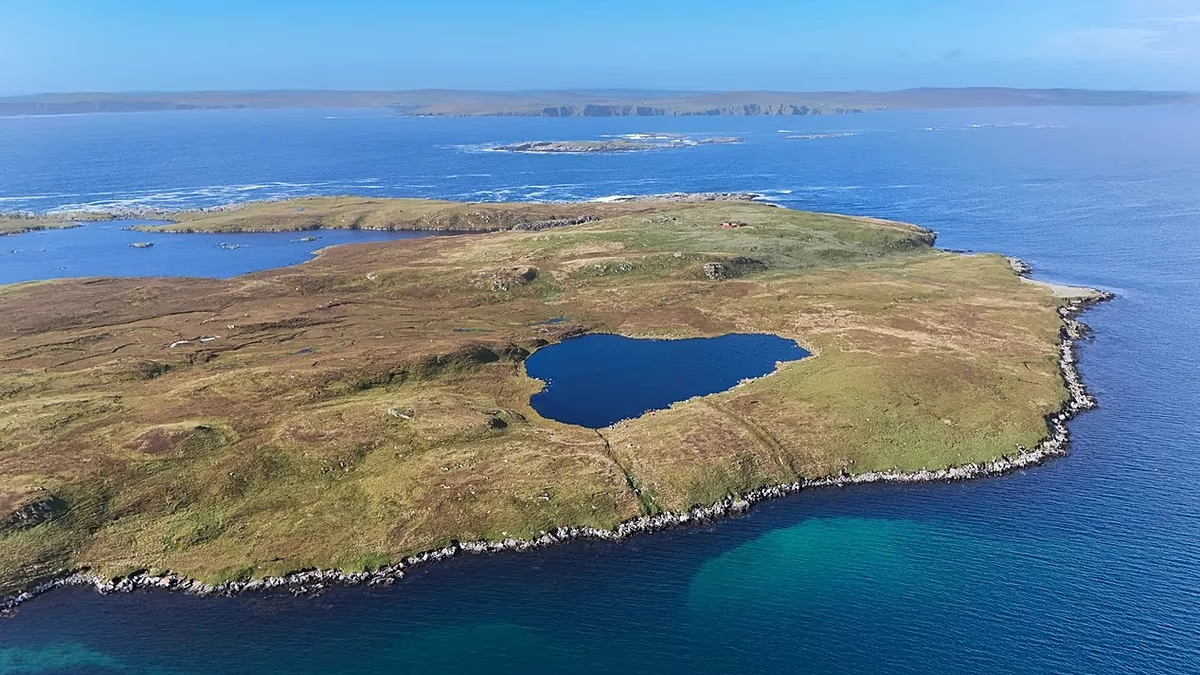
From a public policy perspective, this structural shift in how we travel is not just a passing trend, but a necessary strategy for geographical survival. Tourism is notoriously uneven; in Spain, half of all international visitors crowd into just three hyper-congested coastal regions: Catalonia, the Canary Islands, and the Balearic Islands. This leaves the vast, culturally rich interior of Europe’s third-largest nation largely empty and economically sidelined. By rebranding lesser-known rural villages and natural parks as exclusive sanctuaries of stillness, regional governments hope to redistribute the massive financial benefits of the global travel economy while relieving the environmental and social strains on overwhelmed hot spots. When executed thoughtfully, this model of slow travel acts as a lifeline for dying rural communities, creating sustainable local jobs, preserving heritage, and fostering micro-economies that respect the natural carrying capacity of the land rather than exploiting it for quick corporate profits.
However, the organic essence of slow travel is increasingly being compromised by the performative nature of social media. On platforms like Instagram, influencers have turned what was meant to be a quiet, anti-consumerist philosophy into a highly aestheticized, luxury commodity. Accounts boasting millions of followers showcase carefully staged, neutral-toned Mediterranean dreamscapes that require significant financial privilege to recreate. This digital curation has caught the attention of commercial travel agencies, which have quickly capitalized on the trend by offering expensive, “personalized” slow-travel packages. Sociologists point out that this commercialization is a modern iteration of what academic Dean MacCannell termed “staged authenticity.” In this dynamic, the tourism industry constructs a polished, photogenic simulacrum of local life. Even when travelers suspect that the quaint, slow-paced village routine they are observing is a rehearsed performance staged for their comfort, many willingly accept the illusion because it satisfies their desire to feel spiritually superior to the average “mass tourist.”
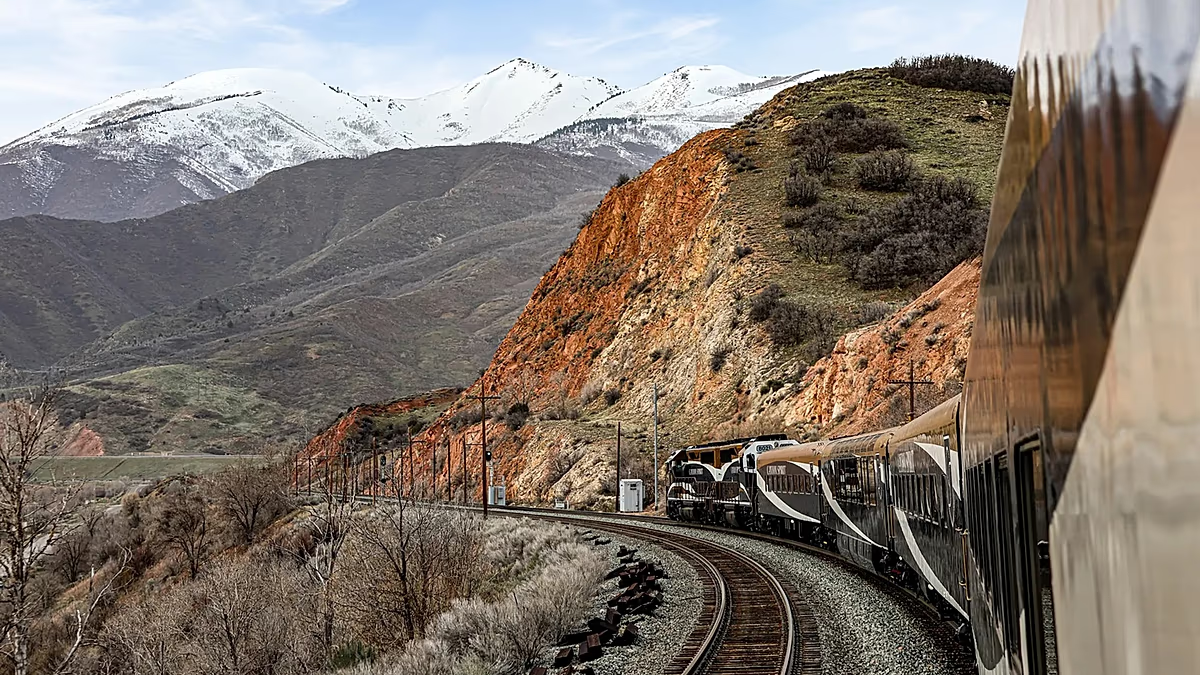
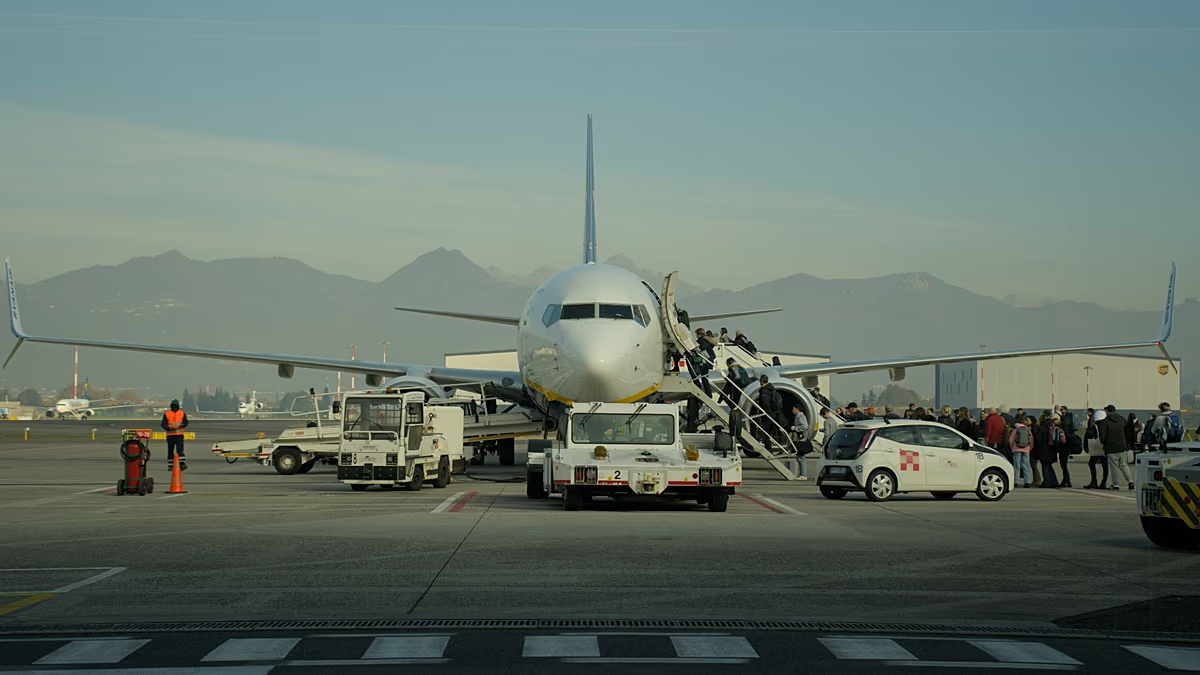
Beyond the aesthetic distractions of social media, slow travel genuinely appeals to our universal human need for mental decompression and environmental responsibility. Proponents argue that slow travel can significantly reduce our carbon footprint, foster authentic intercultural connections, and serve as a vital mental-health retreat in an increasingly accelerated, digitized world. Choosing to walk, cycle, or take a scenic train journey allows us to slow down our racing minds and truly connect with the spaces we inhabit. However, environmental and hospitality experts urge us to look past the romanticized rhetoric and confront some uncomfortable structural realities. After all, can a vacation truly be deemed sustainable if the traveler must first board a carbon-heavy, long-haul flight to reach their starting point? Furthermore, the infrastructure required to enjoy seamless slow travel—such as highly efficient, high-speed rail networks or safe camper-van routes—is largely concentrated in wealthy nations, leaving vast regions of the developing world practically inaccessible without domestic flights.
This infrastructure gap raises a profound question about class, privilege, and who actually has the right to slow down. High-end travel publications often romanticize the idea of “micro-living” by advising travelers to rent an apartment in an expensive historic district, like Rome’s Trastevere or Paris’s Marais, for weeks at a time to slowly absorb the local neighborhood rhythms. They write affectionately about the simple joy of buying bread from the same family-owned bakery every morning, learning to greet the corner barista in their native tongue, and memorizing the soft chime of the local church bells. Yet, this idyllic lifestyle is an extreme luxury. For the average working-class family earning a median wage and juggling limited, precious vacation days, spending weeks mimicking local life in one of Europe’s most expensive capitals is financially impossible. For many, a fast-paced, budget-friendly package holiday is the only viable way to see the world.
Ultimately, the rise of slow tourism exposes a deep tension within our global leisure culture. While the urge to escape the chaotic grind of modern life and travel more ethically is a deeply noble pursuit, we must remain vigilant against turning mindfulness into just another luxury product reserved for the wealthy. True sustainability cannot simply be a marketing buzzword used to sell expensive silence to those who can afford it. Instead, the future of travel lies in making slow, respectful exploration accessible to everyone, regardless of their budget. Whether we are embarking on an ambitious transcontinental train journey or simply taking a quiet, appreciative walk through an overlooked forest nearby, the essence of slow travel is not about how much we spend. Rather, it is a state of mind—a conscious decision to respect the places we visit, support the people who live there, and find beauty in the quiet, unscripted moments along the way.