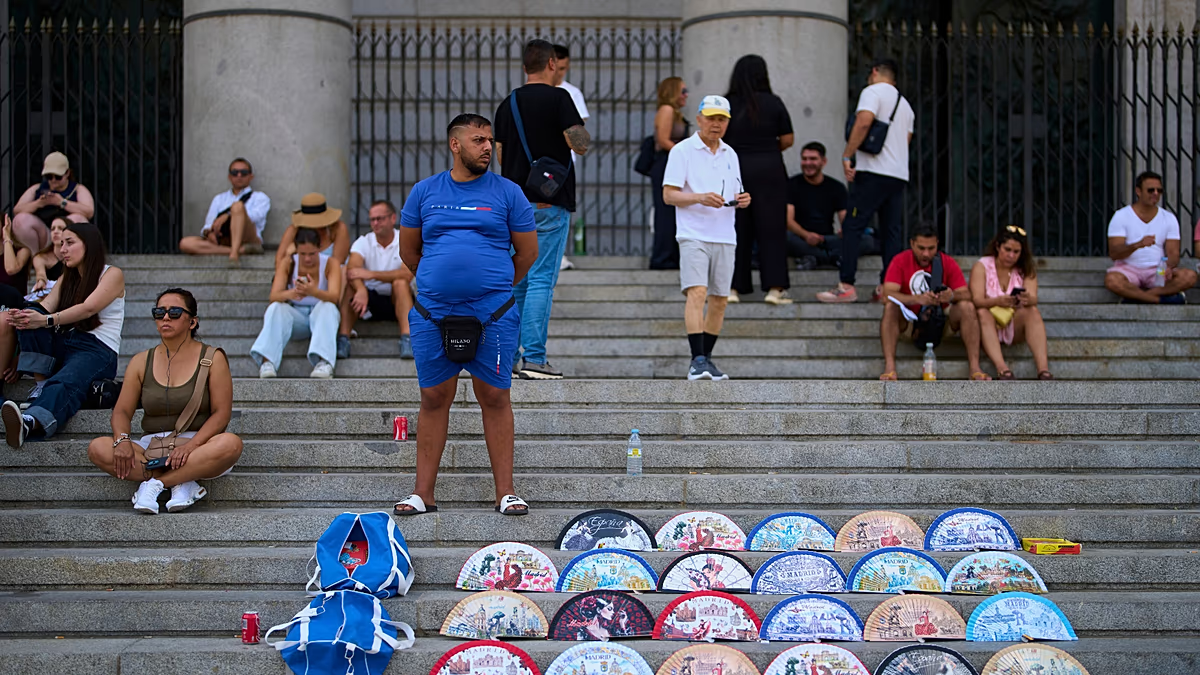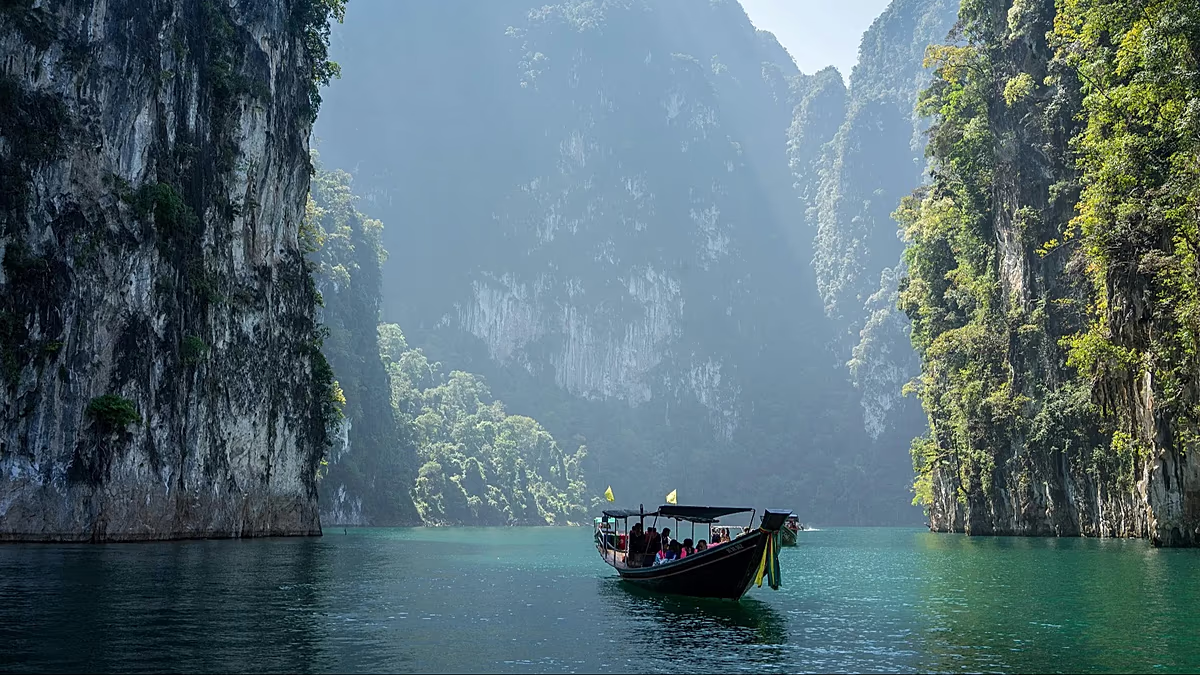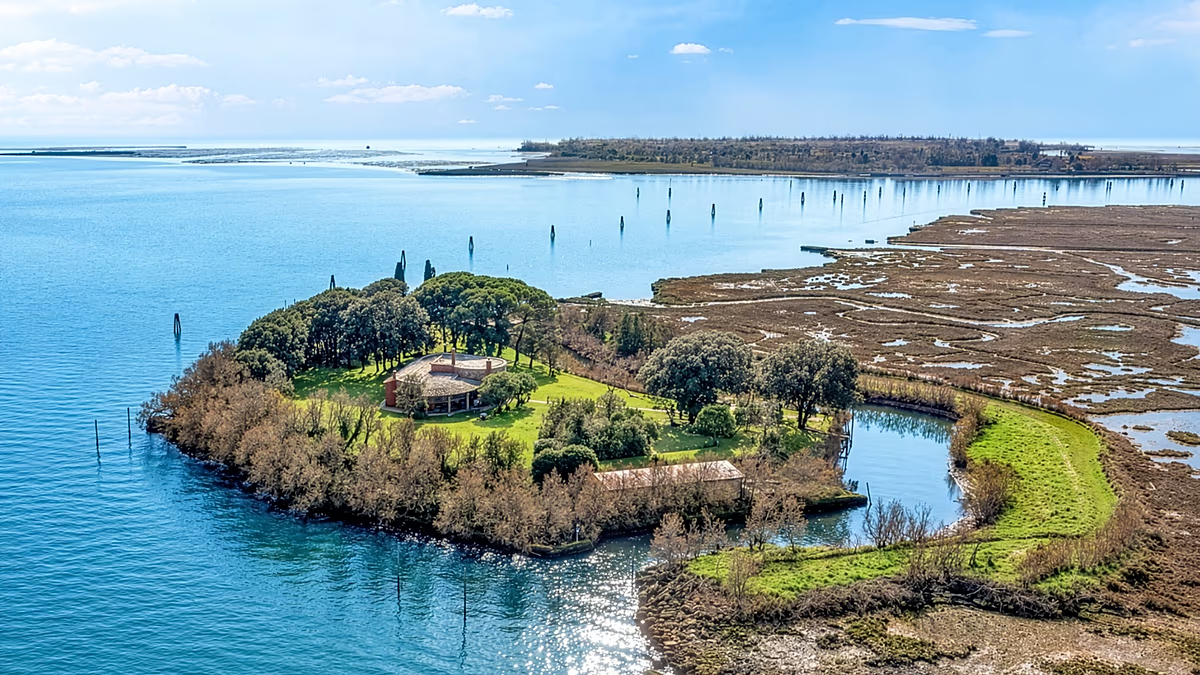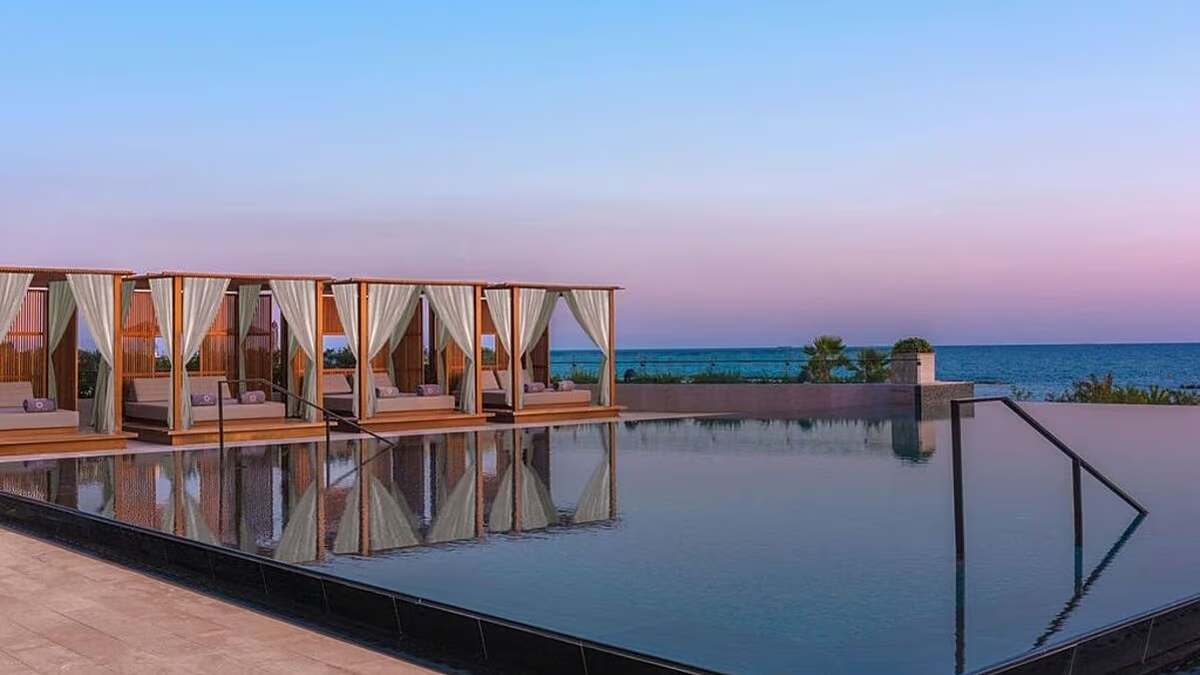






As summer temperatures soar to record-breaking highs, the dream of a relaxing seasonal getaway can quickly dissolve into the exhausting reality of overcrowded coastal beaches and sweltering municipal heat islands. Concrete jungles trap the heavy summer air, turning beloved historic cities into stifling mazes, while coastal resorts often become battlegrounds for the last square inch of hot sand, crowded out by rowdy beach clubs and endless lines of tourists. If you find yourself yearning for an alternative that offers both physical relief and genuine spiritual rejuvenation, it is time to turn your gaze toward the lush, emerald heart of Central Europe. This enchanting region, characterized by its rolling green hills, dense ancient forests, shimmering freshwater lakes, and world-class developmental attractions, stands as the ultimate sanctuary for travelers of all ages. Far from the frantic hum of coastal commercialism, Central Europe invites families to trade salt-stung eyes and sunburns for the refreshing breeze of alpine valleys and the cool shade of centuries-old woodlands. It is a destination meticulously built for slow travel, where the natural and built environments work in perfect harmony to soothe the senses and restore the soul. Here, the travel experience is redefined, prioritizing comfort, accessibility, and the quiet luxury of space over the relentless rush of typical summer tourism. By stepping off the beaten path and venturing into this temperate wonderland, you open the door to a world where nature acts as a natural air conditioner, where historic streets whisper stories rather than echoing with traffic, and where every member of the family, from toddlers taking their first steps to grandparents seeking comfortable strolls, can find their own perfect slice of paradise. It is a chance to wander without the stress of ticking off checklist monuments, allowing the natural landscape to dictate your daily pace and bring your loved ones closer together.
At the core of this regional allure lies a breathtaking network of freshwater lakes, which serve as peaceful, therapeutic alternatives to the restless, often exhausting coastal tides. Consider Hungary’s magnificent Lake Balaton, affectionately referred to as the “Hungarian Sea,” where the shallow, mineral-rich southern waters warm up to a silky, comfortable temperature that is absolutely perfect for young children to splash safely without the peril of strong ocean currents. While the little ones build castle walls out of soft lakeside silt, older generations can explore the northern shores, which are defined by rolling, volcanic vineyards, historic stone villages, and elegant thermal spas where one can soak away the stresses of modern life. Further west, nestled deep within the Austrian Salzkammergut region, alpine lakes like Wolfgangsee and Hallstätter See offer a dramatically different but equally mesmerizing experience. Here, crystalline, emerald waters perfectly mirror the towering, pine-covered peaks of the Alps, and the air is filled with the clean, crisp scent of mountain pine. In neighboring Slovenia, the fairytale beauty of Lake Bled captures the imagination of all who visit, featuring a pristine island crowned by a medieval church and an ancient castle clinging to a steep cliff. Instead of navigating the high-stress logistics of crowded beach parking, families here can enjoy the simple pleasure of renting wooden rowboats, riding in traditional hand-crafted pletna boats, or cycling along flat, shaded pathways that wind gracefully around the water’s edge, pausing occasionally at boutique lakeside cafes to enjoy a generous slice of local cream cake as swans drift lazily by in the gentle afternoon breeze. The absolute lack of deafening jet skis and commercial beach bars allows the natural symphony of rustling reeds, soft birdsong, and the rhythmic lapping of water against wooden docks to take center stage, creating a truly meditative backdrop where families can actually hear one another speak and share quiet, undisturbed moments of connection.
Beyond the cooling shoreline, Central Europe reveals a spectacular green playground of thick forests, dramatic gorges, and rolling highlands that prove nature is indeed the ultimate multi-generational entertainer when designed with care and accessibility in mind. The region has pioneered exceptionally thoughtful eco-tourism infrastructure, which is beautifully exemplified by its spectacular treetop walks, such as the magnificent Bachledka Treetop Walk in Slovakia’s High Tatras or the sprawling trails of the Bavarian Forest National Park in Germany. These architectural marvels consist of gently sloping, stroller-friendly, and wheelchair-accessible wooden boardwalks that wind seamlessly high into the forest canopy, allowing three generations of a family to walk side-by-side among the whispering pine needles and enjoy panoramic mountain views without facing strenuous vertical climbs. For those who wish to experience the alpine heights without the exhausting physical exertion, the region’s incredibly efficient network of modern cable cars and funiculars provides effortless access to high-altitude meadows carpeted in mountain wildflowers. At the summits, gentle, well-marked walking loops lead families to cozy, rustic mountain chalets where they can gather around heavy wooden tables to savor hearty local cheeses, warm potato soups, and fresh herb teas brewed from forest plants. It is a magical terrain where the younger, high-energy generation can safely run ahead along educational nature trails featuring interactive wooden puzzles, while parents and grandparents walk at a leisurely, rhythmic pace, breathing in the clean, resin-scented air and resting on hand-carved benches to absorb the silent majesty of landscapes that feel timelessly removed from the modern world. Every path is designed with comfort in mind, ensuring that physical limitations never translate into missing out on the beauty of the great outdoors, thereby bridging the physical gap between the youngest and oldest family members in a shared, harmonious journey of natural discovery.
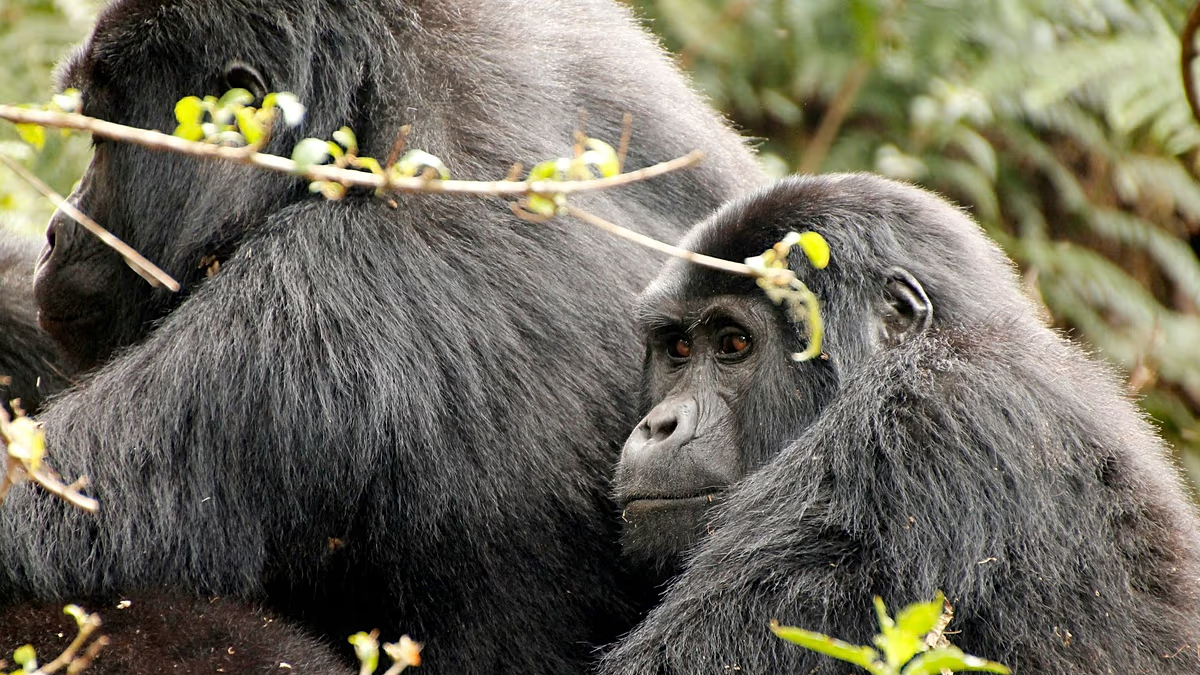
When it comes to engaging the curious minds of young and old alike, Central Europe operates some of the most beautiful, modern, and ethically conscious zoological gardens on the globe, transforming the traditional zoo visit into a profound, immersive educational journey. Vienna’s Tiergarten Schönbrunn, located within the sprawling, UNESCO-listed imperial gardens of the Habsburgs’ Schönbrunn Palace, proudly holds the distinction of being the world’s oldest zoo, yet it stands today as a global pioneer in modern animal welfare and conservation. Here, families can wander past breathtaking Baroque architecture while exploring state-of-the-art habitats, from a humid, multi-level rainforest house where bats flutter freely to vast, shaded enclosures where giant pandas lounge peacefully under bamboo stalks. Similarly, the Prague Zoo, consistently ranked by global travelers as one of the very best in the world, is built along a spectacular, rocky hillside overlooking the Vltava River, utilizing the dramatic natural topography to create incredibly spacious, naturalistic territories for its residents, including majestic mountain gorillas, polar bears, and elephants. Meanwhile, in Poland, the Wrocław Zoo features the breathtaking Afrykarium, a massive, hyper-modern pavilion dedicated entirely to the diverse water ecosystems of the African continent. Visitors of all generations can stroll through a spectacular underwater acrylic tunnel, watching in collective awe as massive sharks, elegant manta rays, and playful penguins glide directly overhead, sparking rich conversations about the delicate and beautiful balance of our planet’s aquatic ecosystems and fostering a deep, shared respect for global biodiversity. These parks are far more than mere collections of exotic animals; they are lush, meticulously landscaped botanical sanctuaries in their own right, offering wide, shaded pathways, quiet resting areas, and beautifully designed picnic spots where family members can sit back, relax, and watch the wonders of the natural world unfold.
To experience the true, beating heart of Central Europe, one must also step into the slow-paced cultural rhythms of its fairytale towns and rural villages, which offer a warm, authentic human touch that instantly makes visitors feel like extended family. Unlike the highly commercialized, transactional nature of crowded seaside resorts, these historic inland communities preserve a way of life that feels wonderfully grounded and welcoming. Imagine spending an afternoon wandering through the winding, cobblestone alleys of Český Krumlov in the Czech Republic or the flower-filled lakeside hamlets of Austria, where local artisans still blow glass, carve detailed wooden toys, and bake traditional pastries using recipes passed down through generations. These towns are constructed on a comfortable, human scale, allowing families to explore together on foot without the overwhelming stress of navigating chaotic public transport or bustling metropolitan avenues. A typical day might involve browsing a vibrant local farmers’ market to taste freshly picked forest berries, local honeys, and artisanal mountain cheeses, followed by a long, slow lunch in a sun-dappled courtyard tavern where the children can safely play by a historic stone fountain while the adults sip on a crisp, locally brewed lager or a rich espresso. This slow-living philosophy naturally encourages an organic digital detox, replacing glowing smartphone screens with face-to-face stories, shared laughter over warm, sugar-dusted chimney cakes (kürtőskalács), and genuine, friendly interactions with local shopkeepers who take immense pride in sharing their cultural heritage, regional folklore, and timeless hospitality with travelers. It is in these quiet, unhurried spaces that family narratives are woven, as parents share stories of their own childhoods, grandparents pass down nuggets of wisdom, and children learn to appreciate the joy of simple, tactile experiences in a world that often moves far too quickly.
Ultimately, choosing to spend your summer holiday exploring the serene lakes, magnificent zoos, and verdant forests of Central Europe is an investment in the art of togetherness, providing a rare and beautiful sanctuary where the frantic pace of modern life naturally yields to a more meaningful rhythm. It is a destination that gracefully bridges the generational divide, offering high-energy, imaginative outdoor adventures for the youth, deeply restorative and peaceful environments for elders, and a stress-free, logistically smooth journey for parents who simply want to watch their family blossom in a safe, beautiful setting. By trading the oppressive, energy-sapping heat and overwhelming commercial crowds of conventional seaside destinations for the cool, gentle, and green embrace of Central Europe’s interior treasures, families can reclaim the true, historic spirit of vacationing. It is about the quiet joy of spreading a checkered blanket under the heavy branches of an ancient oak tree, the shared breath of wonder when standing atop a misty mountain peak, and the deep, comforting warmth of sitting together at the end of a long, fulfilling day to watch the first stars blink to life over a silent, pine-fringed lake. Central Europe does not demand your energy or test your patience with chaotic queues and commercial traps; instead, it gently restores you, inviting travelers of all generations to slow down, connect deeply with one another, and write a beautiful, unforgettable chapter in their shared family history. In a world that constantly encourages us to rush to the next destination, this green heart of Europe whispers a gentler invitation: to pause, to look closer, and to remember that the most magnificent journeys are not measured in miles logged, but in the warmth of the hands we hold along the way.