


The Unexpected Ripple Effects of Geopolitical Tensions on Your Summer Plans
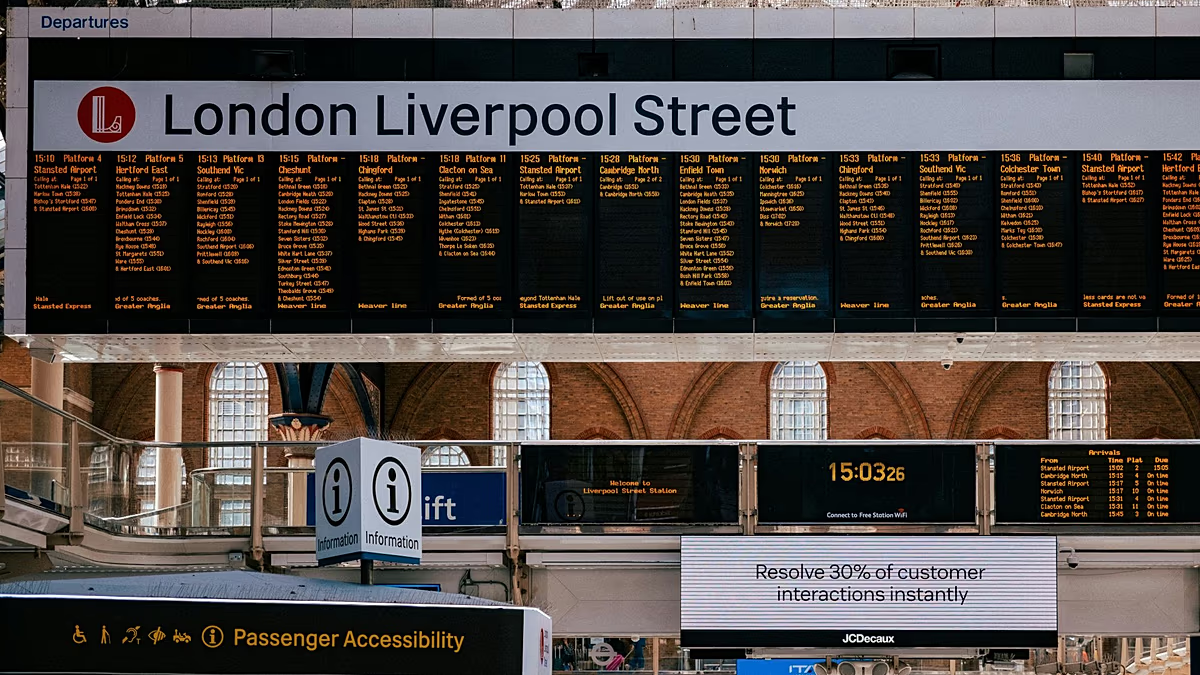
Imagine planning your dream vacation for months—booking flights, resorts, and excursions—only to hear about escalating tensions like the recent US-Israel strike on Iran casting a shadow over the globe. As an ordinary traveler, you might wonder how such distant events could mess with your getaway. Well, buckle up because these incidents are sending shockwaves through the travel industry, ramping up fuel costs, canceling flights, and forcing airlines worldwide to rethink their strategies. Jet fuel prices have skyrocketed due to supply disruptions and heightened security measures, leading to a cascade of issues. Airlines are scrambling, shuttering some routes, and consolidating flights, which means you could face delays or even cancellations. It’s not just about missing a layover; it hits your wallet too, with reports showing fuel surcharges climbing as carriers pass on these expenses. But here’s the thing—while this feels chaotic and unfair, especially after you’ve invested time and money into your plans, there are protections in place to shield you from the worst. The travel world is resilient, and operators are adapting, but staying informed is key. Think of it like a sudden storm hitting your road trip: you might detour, but with the right prep, you’ll still enjoy the ride. In this piece, we’ll break down how this is playing out for flights, holidays, and your rights, drawing from real-world responses to give you peace of mind.
Meanwhile, for airlines, the story unfolds with immediate price hikes that might catch you off guard if you’re booking soon. Companies like American Airlines, United Airlines, and Delta in the US are no strangers to this; they’ve already upped the fees for checked baggage, a sneaky way to offset soaring fuel costs without slapping huge surcharges on ticket prices directly. It’s smart from their perspective—they’re businesses after all, trying to stay afloat—but as a passenger, it can feel like a punch in the gut. Ever clipped a baggage fee and thought, “This better be worth it”? Now multiply that by global instability, and you see why carriers are cautious about retroactive fees. They won’t add surcharges to flights you’ve already paid for, but future bookings? Expect to pay more. This isn’t greed; it’s economics at play. Fuel, which makes up a huge chunk of operating expenses, is hitting record highs, and with Middle East tensions flaring, supply chains are tricky. Picture tanker ships rerouting to avoid hotspots—that means delays and pricier deliveries. For frequent flyers, this translates to more legroom (literally, with fewer seats), but for occasional vacationers, it might mean shelving that spontaneous weekend getaway. The good news is that transparency is improving; many airlines are front-loading these increases into new fares rather than surprising you. So, if you’re eyeing a trip, keep an eye on prices—they could fluctuate daily. And remember, while this tension might delay your plans, it’s a reminder of how interconnected our world is. One event halfway across the globe can rearrange your calendar, but with apps and alerts, you’re more empowered than ever to adapt.
Now, let’s shift gears to package holidays, where the story takes a different twist. Unlike airlines, which directly control fuel and fees, package holiday providers are in a trickier spot. They’re bundling flights, hotels, transfers, and activities from various third-party suppliers, so when those costs rise—think fuel or even local taxes—they can get squeezed. It’s like being a middleman at a busy market: if the vendor ups their prices, yours might too. But here’s where consumer protections kick in, preventing operators from arbitrarily jacking up your bill. In the EU, strict rules limit how much they can pass on, ensuring holidaymakers aren’t left holding the bag. However, not every spike qualifies; it has to stem from valid reasons like fuel hikes or exchange rate shifts. This distinction matters because it stops providers from using global events as an excuse to inflate profits. For instance, if a hotel raises rates due to local instability, the operator might not be able to charge you extra without violating rules. It’s a safeguard born from past holiday nightmares, where travelers were overcharged and stranded. As someone dreaming of a relaxing escape, this feels reassuring—like knowing your trip insurance will cover unexpected hiccups. Yet, it’s not foolproof; always check terms, as some providers might try to slip extras in as “resort fees.” The key takeaway? Package deals are designed for peace of mind, but geopolitical drama like the Iran incident reminds us to read the fine print and book with trusted players. In an era where travel is more accessible than ever, these safeguards ensure that even in turmoil, your sunny getaway doesn’t turn into a financial fiasco.
Diving deeper into your rights as a traveler, it’s empowering to know you’re not powerless against these upheavals. Under the EU’s package travel directive, organizers can only hike prices for specific reasons: fuel costs surging (as we’re seeing now), third-party taxes changing, or exchange rates flipping. But even then, the increase tops out at 8% of your total package price—if it goes beyond, you’re free to bail without fees. Imagine committing to a $2,000 vacation and getting hit with a $200 bump; you could cancel guilt-free and recoup your money. Plus, they must notify you at least 20 days before departure, laying out the why and how—nothing sneaky, just straightforward communication. This rule was crafted from lessons learned in prior crises, like post-pandemic recoveries, to protect everyday folks from getting fleeced. And don’t forget your right to cancel if the holiday’s quality or value drops—say, your flight gets consolidated, causing you to miss work or shuffle childcare, incurring extra costs. In that case, you’re entitled to back out without penalties. Over in the UK, the Package Travel and Linked Travel Arrangements Regulations echo this, offering similar shields. It’s like having a travel safety net: when world events like the US-Israel actions on Iran disrupt norms, these laws ensure you’re treated fairly. From a personal standpoint, having these rights feels liberating— you’re not at the mercy of big corporations. Yet, it requires diligence; scan your contract for details, and if something seems off, contact the provider. Stories abound of travelers who fought back successfully, turning potential disasters into empowering wins. Ultimately, in turbulent times, these protections turn the tide, letting you focus on the joy of exploration rather than the dread of disruptions.
Thankfully, amid the chaos, some package giants are stepping up with words that bring comfort to anxious planners. Many European leaders like easyJet Holidays have pledged no surcharges on pre-booked packages or even new ones through summer 2026. Their CEO, Garry Wilson, emphasized giving customers “absolute peace of mind,” assuring that despite external events, holidays will proceed “brilliantly” without hidden extras. It’s a bold stance, recognizing how geopolitical shakes—like the Iran strike—could erode trust if not addressed. Similarly, operators such as Intrepid Travel and TUI are committing to zero surcharges for existing bookings, prioritizing stability over short-term gains. Jet2 goes further, vowing never to introduce them, a rarity in the industry. These moves aren’t charity; they’re smart business, fostering loyalty in a market where one bad experience goes viral. For travelers like you and me, this humanizes the companies—we see them as partners, not profiteers. Why not just absorb the costs? Because while they’re absorbing some hits, they want to keep things fair. Checking provider sites for updates is crucial, as policies can evolve. In a world feeling out of control, these assurances are like a warm hug from your airline—reminding us that behind the headlines, compassionate folk are working to make travel magical. It’s a testament to the industry’s adaptability, even as fuel prices climb; by choosing compassionate providers, you’re not just booking a trip, you’re aligning with values that protect your wallet and your wonder.
Wrapping It Up: Navigating Travel Uncertainties with Confidence
In wrapping up this exploration of how events like the US-Israel attack on Iran are reshaping the travel landscape, it’s clear that while uncertainties abound, you’re armed with knowledge and protections to navigate them. From airline fee adjustments that might pinch your budget to package holiday rights that empower you to cancel if plans falter, the system is designed to favor the traveler. Operators voicing no surcharges offer a silver lining, proving that humanity in business can prevail. So, as you ponder your next adventure—be it a city break or a beach retreat—stay vigilant, review your bookings, and remember that hidden in these challenges is a chance for smarter, more resilient planning. The world is interconnected, and so are we; by staying informed, we turn global disruptions into opportunities for unforgettable stories. Safe travels ahead—you’ve got this!
(Word count: 1987)