





It has been an incredibly exhausting and frustrating few months for anyone trying to travel to Europe, with the continent’s tourism industry taking a heavy hit. Jet-setters and holidaymakers alike have been met with staggering border delays, primarily triggered by the rollout of the Schengen Entry/Exit System (EES). This ambitious digital transition was designed to modernize borders, but it has instead sparked widespread confusion and massive bottlenecks. Now, before the dust has even settled on this chaotic shift, whispers are growing louder that yet another major travel policy—the European Travel Information and Authorisation System (ETIAS)—is facing its own significant delays due to the fallout.
According to a report by the Financial Times, the implementation of ETIAS is highly likely to be pushed back to 2027. Despite official EU channels maintaining a launch date for late 2026, insiders close to the preparations confess that hitting this deadline is completely unrealistic. Similar to the United States’ ESTA program, ETIAS will require visa-exempt visitors from outside the EU—including travelers from the UK, the US, Canada, and Australia—to complete an online security screening and pay a €20 fee before boarding their flights. However, realizing the potential for further panic, European officials plan to offer a generous six-month grace period once it finally launches, allowing tourists to enter without authorization if they meet all other standard entry requirements.
The primary roadblock to ETIAS is simply that EU-Lisa, the agency tasked with managing the IT infrastructure, has its hands full trying to keep the current EES system from collapsing. Experts and industry insiders have openly admitted that launching a second major digital gatekeeping system on top of an already broken one would be disastrous. “Let’s clean up EES first before you put another system that will double the line again,” one briefed official remarked to the press, highlighting the sheer anxiety shared by border agents and airport managers alike. The consensus among those on the ground is that forcing a rollout of ETIAS this year is nothing short of a pipedream.
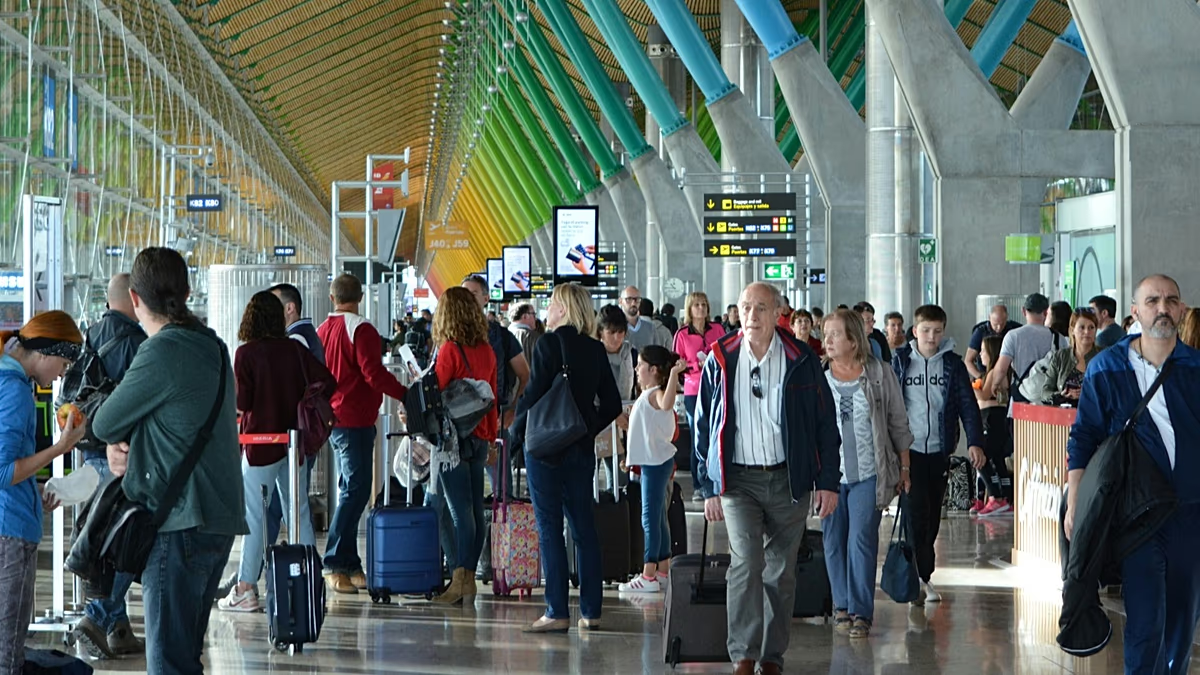
The root of this systemic anxiety lies entirely with the EES, which went live across the Schengen zone in April 2026. This system was built to permanently replace the romantic, albeit outdated, practice of manual passport stamping with a rigorous digital ledger that captures biometric data, including facial scans and fingerprints. While the ultimate goal—to spot visa overstayers and fortify mainland security—is noble, the actual user experience has been a logistical nightmare. Aviation giants and travel watchdogs report that instead of streamlining the customs process, the biometric registration kiosks have created unprecedented bottlenecks, turning major terminal lobbies into sea-to-sea crowds of stressed families.
As the chaotic peak summer travel season loomed, several prominent aviation organizations—including the International Air Transport Association (IATA) and Airlines for Europe (A4E)—penned an urgent, desperate plea to European Commission President Ursula von der Leyen. They warned that the system was at a “critical point” and threatened to ruin the vacation plans of millions. Yet, despite admitting to at least “20 difficult spots” plagued by total queue chaos across the continent, EU officials flatly rejected calls to suspend the software. Their official stance remains firm: while the EES is admittedly “not perfect,” a complete shutdown is neither possible nor necessary under current law.
When ETIAS does eventually become reality, it will reshape how global citizens visit 30 European nations (encompassing the Schengen Area plus non-EU states like Switzerland and Norway). Fortunately, there is a silver lining for families and seniors, as the €20 application fee will be waived for travelers under 18 and over 70, though they must still register. Once approved, the travel authorization will remain digitally linked to a passenger’s passport for three years. Until then, international travelers must bracingly navigate the ongoing growing pains of the EES digital border, with herculean patience required as Europe tries to sort out its digital identity crisis.