



For generations, the standard summer dream for millions of travelers was simple and deeply ingrained: chase the brightest sun, find the hottest beach, and spend weeks basking in Mediterranean heat. However, as global temperatures continue to climb and summer heatwaves transform southern Europe from a sun-drenched paradise into an increasingly exhausting furnace, a profound psychological shift is occurring. The stifling, heavy air of crowded beaches is losing its charm, replaced by a quiet longing for crisp morning breezes, cool mountain shadow, and evenings that actually require a cozy sweater. This phenomenon, affectionately dubbed the “coolcation,” is no longer just a niche trend for the heat-sensitive; it is a major movement rewriting the geography of European summer tourism. Travel app Polarsteps highlighted this sudden sea change in a survey conducted in April 2026, revealing that a staggering 35% of British travelers intentionally chose cooler destinations for their summer holidays, with more than one in five making this refreshing choice for the very first time. To help these modern seekers of sanctuary navigate this shifting landscape, Polarsteps has debuted its first-ever “Summer Heat Escape Index,” analyzing 25 European countries to uncover the absolute best destinations to beat the heat, breathe deep, and find restorative solace during the hottest months of the year.
What makes this new index so compelling is that it looks far beyond the simple numbers on a standard thermometer, recognizing that the human sensation of warmth is a complex, sensory tapestry woven from many different environmental threads. The creators of the index understand that a breezy evening in a quiet forest feels vastly different from a stagnant night in a concrete-heavy city, which is why they combined six distinct parameters to calculate a holistic summer comfort score out of 100. This highly detailed methodology balances average August daytime and nighttime temperatures with the cooling relief of sea swimming, the soothing shade of forest cover, the peace of low population density, and the freedom of legal wild camping. By pulling climate data from trusted regional repositories like Meteostat and EN Climate Data—spanning decades of observations—and cross-referencing them with sea surface temperatures, the index honors the physical reality of how we experience our surroundings. It recognizes that true summer luxury is no longer about chasing a heavy tan, but about finding places where your skin can breathe, your body can rest, and your mind can wander without the oppressive weight of a relentless midsummer sun.
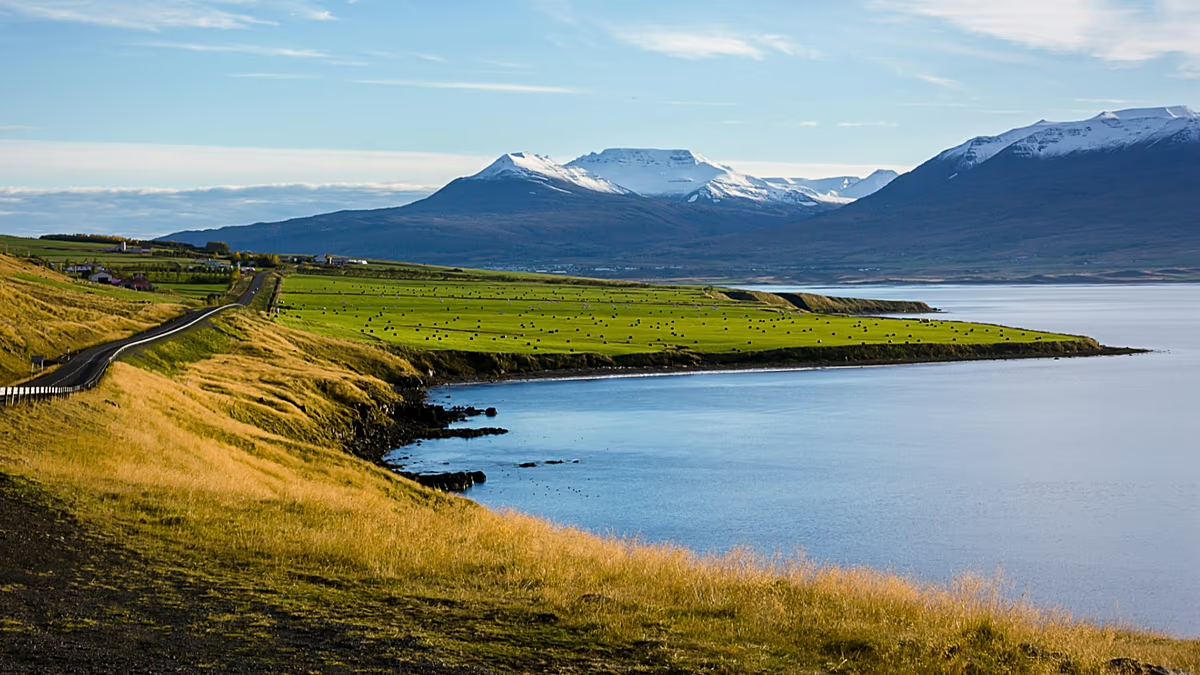
Topping the entire index with an impressive score of 83.81 out of 100 is Iceland, a pristine land of fire and ice that represents the ultimate geographic antidote to summer burnout. Here, in the heart of the subarctic, the concept of August feels entirely different, characterized by average daytime highs of just 10.7°C and quiet, twilight-lit nights that hover around a bracing 8.1°C. It is a country defined by its vastness and silence, boasting the lowest population density in Europe and offering travelers the liberating legal right to wild camp amidst otherworldly volcanic valleys and rushing waterfalls. For those brave enough to seek the ultimate physical reset, the coastal waters around Akureyri in the north provide some of the continent’s most invigorating sea swimming, with temperatures averaging a crystal-clear, shivering 9.5°C. Following closely in second place is Finland, a green wonderland that scored exceptionally high for its natural landscape, with an incredible three-quarters of the country sheltered beneath a dense, soothing canopy of pine and birch forests. Boasting comfortable August daytime averages of 17°C, Finland acts as a gigantic natural air conditioner, inviting travelers to practice the life-affirming art of forest bathing, hike pristine parklands, or paddle across thousands of quiet, cold-water lakes under a soft, golden sun.
Norway firmly secures the third spot on the podium, offering a legendary combination of towering fjords, raw wilderness, and perhaps the most refreshing ocean dips to be found anywhere on Earth. In Ny-Ålesund, deep within the remote high-latitude reaches, August sea temperatures average a truly astonishing 5.3°C, offering a bone-chilling plunge that promises to instantly wash away the stress of a year spent in crowded cities. Norway’s generous right-to-roam laws invite weary souls to pitch a tent on the edge of dramatic cliffs, falling asleep to the sound of crashing waves and waking up to pristine mountain air. Just across the border, Sweden takes fourth place on the index, matching its neighbor with gentle August temperatures of 17°C and a landscape dominated by deep, fragrant woodlands. What makes Sweden particularly magical for the independent explorer is its deeply held cultural concept of Allemansrätten, the constitutional right to roam, which welcomes everyone to wander freely through the forests, pitch a tent for a night, and pick wild berries from the forest floor. These Nordic giants prove that summer does not have to be a season of endurance, but can instead be a time of gentle exploration, physical renewal, and a profound reconnection with the wild.
For many years, the Baltic states of Estonia, Latvia, and Lithuania were overlooked by mainstream summer holidaymakers, but the index highlights them as exciting, highly accessible alternatives for travelers who want to escape the heat without venturing into the extreme north. Placing fifth, sixth, and seventh respectively on the list, this trio of Baltic countries offers a delightful blend of medieval charm, untamed nature, and wonderfully mild climates. Here, the Baltic Sea laps gently against empty, white-sand beaches framed by whispering pine woods, where travelers can enjoy pleasant summer days free from the suffocating humidity details of southern Europe. These nations are perfect for travelers who still crave the sensory joy of a classic beach holiday—complete with wooden seaside villas, fresh seafood, and tranquil coastal walks—but want to experience it at a human pace with plenty of personal space. By highlighting the Baltics, the Polarsteps index reveals how the modern map of travel is expanding, directing us toward these underrated and highly affordable northern European sanctuaries where we can slow down, breathe easy, and find a quieter, more mindful rhythm to our summer days.
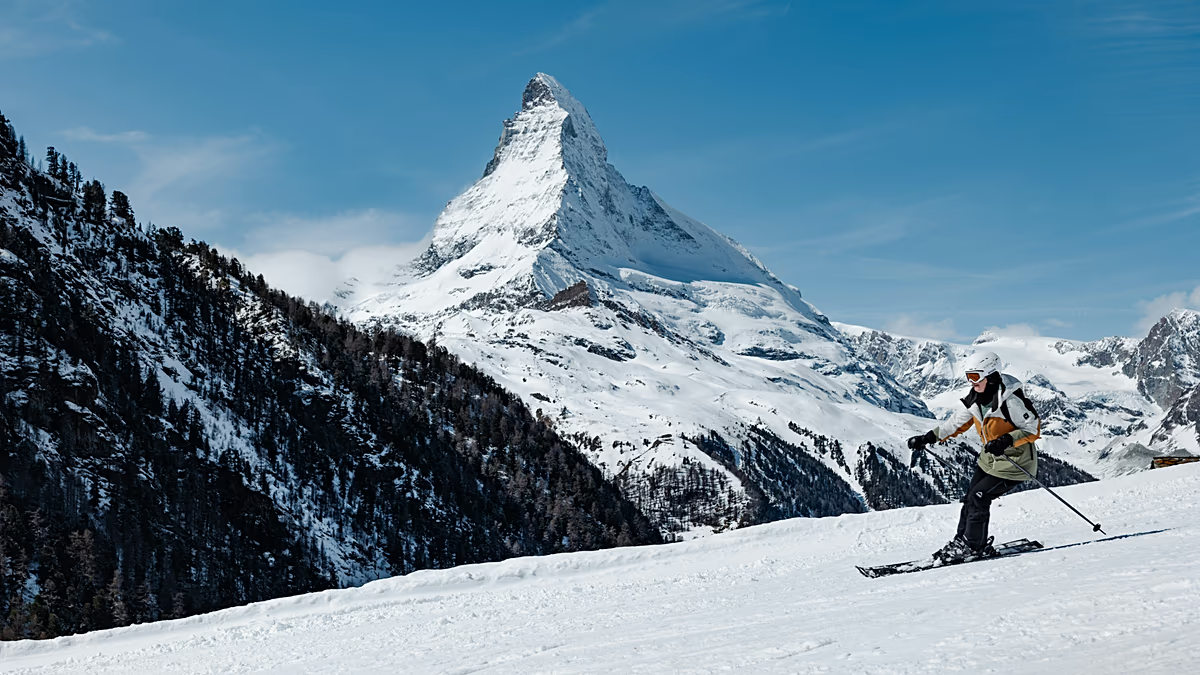
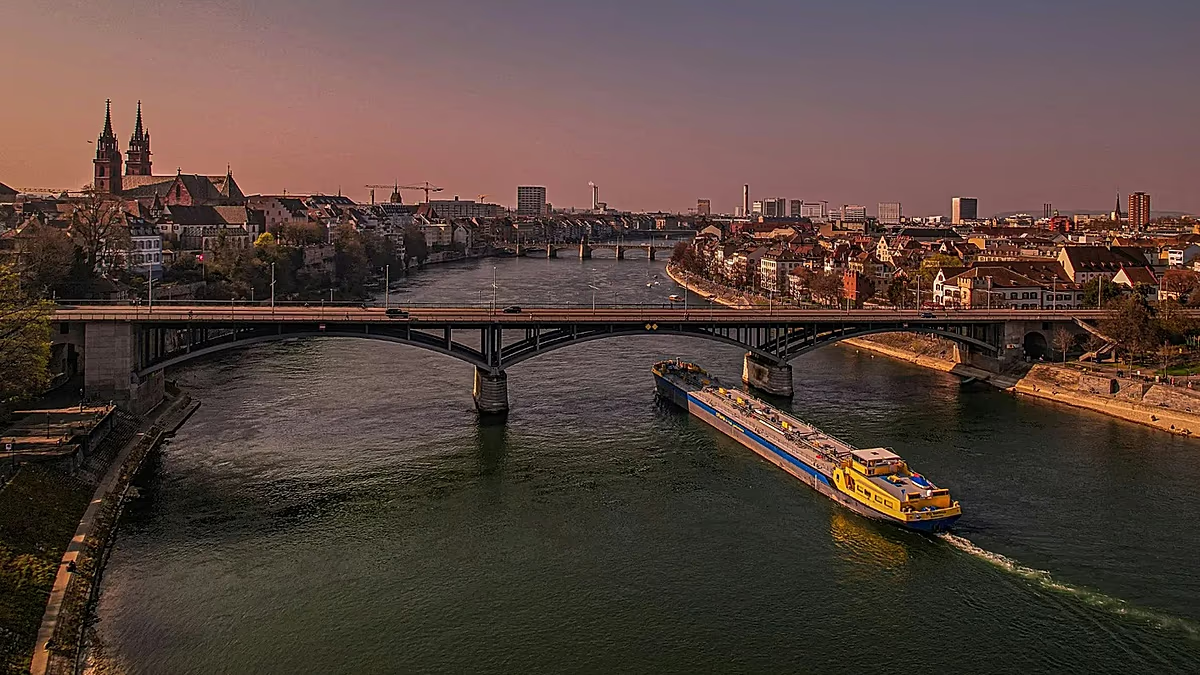
Yet, because human desire is beautifully complex, there are many travelers who still cherish the feeling of warm, golden sun on their skin but desperately want a quick, reliably cold escape when the heat becomes too much. To resolve this dilemma, the index points toward Europe’s dramatic Atlantic coast, where deep, fast-moving ocean currents create a beautiful paradox: warm, sun-kissed land sitting right next to incredibly brisk, cold coastal waters. Along the rugged shores of Portsall in Brittany, France, swimmers can plunge into 15.1°C Atlantic swells, while in the historical coastal towns of A Guarda in Spain and Viana do Castelo in northern Portugal, the sea remains a bracing 16.6°C despite the glorious southern European sunshine. The rest of the top ten list is rounded out by Switzerland’s majestic alpine peaks, Ireland’s mist-shrouded emerald hills, and the historic countryside of the United Kingdom, proving that the search for cooler pastures is rich with cultural and geographic variety. As we look to the future, this rise of the “coolcation” teaches us that travel is evolving from a quest for pure sun-drenched indulgence into an act of self-care and climate awareness. By choosing destinations like those prioritized on the Polarsteps Summer Heat Escape Index, we are not just escaping the heat; we are rediscovering the deep, quiet, and lasting joy of a cool breeze, a quiet forest trail, and a starry night sky.