


Paragraph 1: Escaping the Chaos for True Relaxation
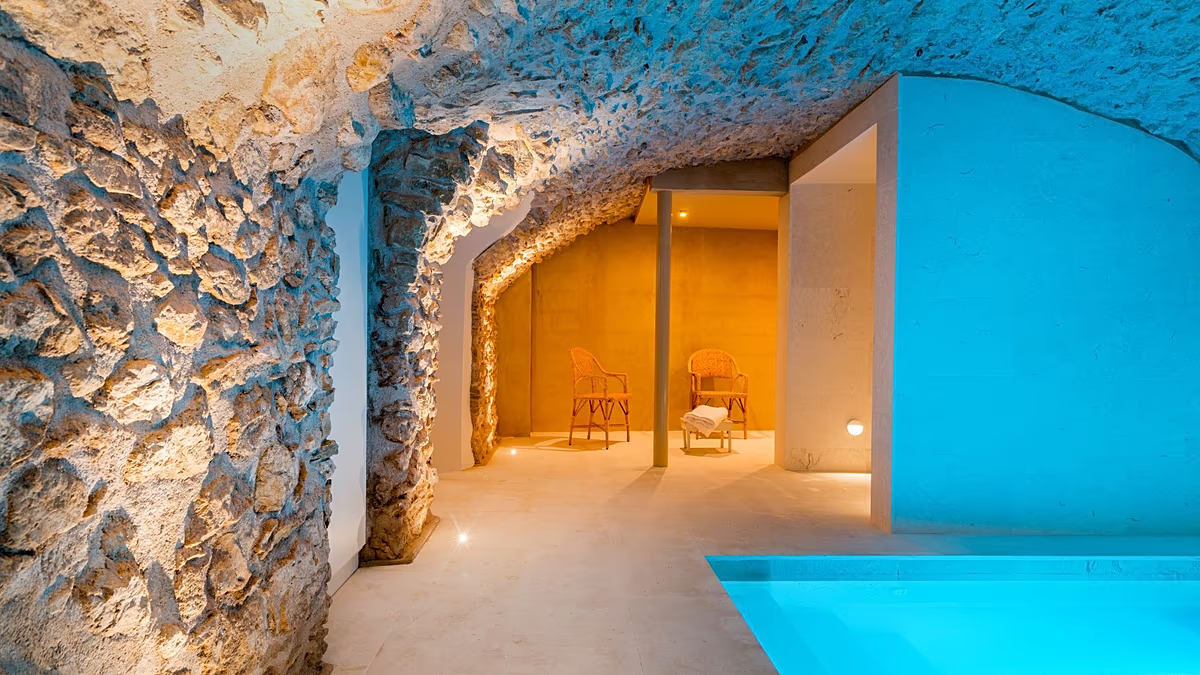
In today’s whirlwind world, where constant travel feels like a double-edged sword—exciting yet exhausting—many of us are yearning for something gentler. Picture this: you’ve been chasing bright lights, high-speed trains, and packed agendas, only to crash with that dreaded burnout. It’s real, and it’s pushing us to rethink our vacations. No longer just about ticking off bucket lists, getaways are becoming sanctuaries for rest, recovery, and a full system reset. Enter Bulgaria, the Balkans’ hidden gem, quietly rising as Europe’s unexpected wellness paradise. Forget the stereotypes of cheap thrills; this country’s allure now lies in its therapeutic treasures, with over 700 mineral springs bubbling up like nature’s own pharmacy. That doesn’t sound like hype—it feels like a personal invitation to slow down. As Bulgaria’s caretaker Tourism Minister, Irena Georgieva, shared, there’s a 15% surge in spa tourism interest lately. Tourists are asking, “Is Bulgaria worth it?” rather than “Is it cheap?” and the answer is yes, especially for those craving authentic healing. When I first heard about Velingrad, a quaint town nestled 130 kilometers from Sofia, I imagined serene mountain views and whispers of ancient legends. Hidden in the Rhodope Mountains, where myth says Orpheus, the legendary singer, was born, Velingrad is dubbed the Balkans’ spa capital. Its mineral-rich waters aren’t just a backdrop; they’re remedies for high blood pressure, respiratory woes, and gut issues. It’s not about luxury excess—it’s about feeling those waters seep into your soul, easing away urban stress. And let’s be honest, in a world of rushed cures, soaking in Bulgaria’s natural baths feels like a warm embrace, a reminder that sometimes, the best medicine is simply being present.
Paragraph 2: Diving into Wellness Worlds
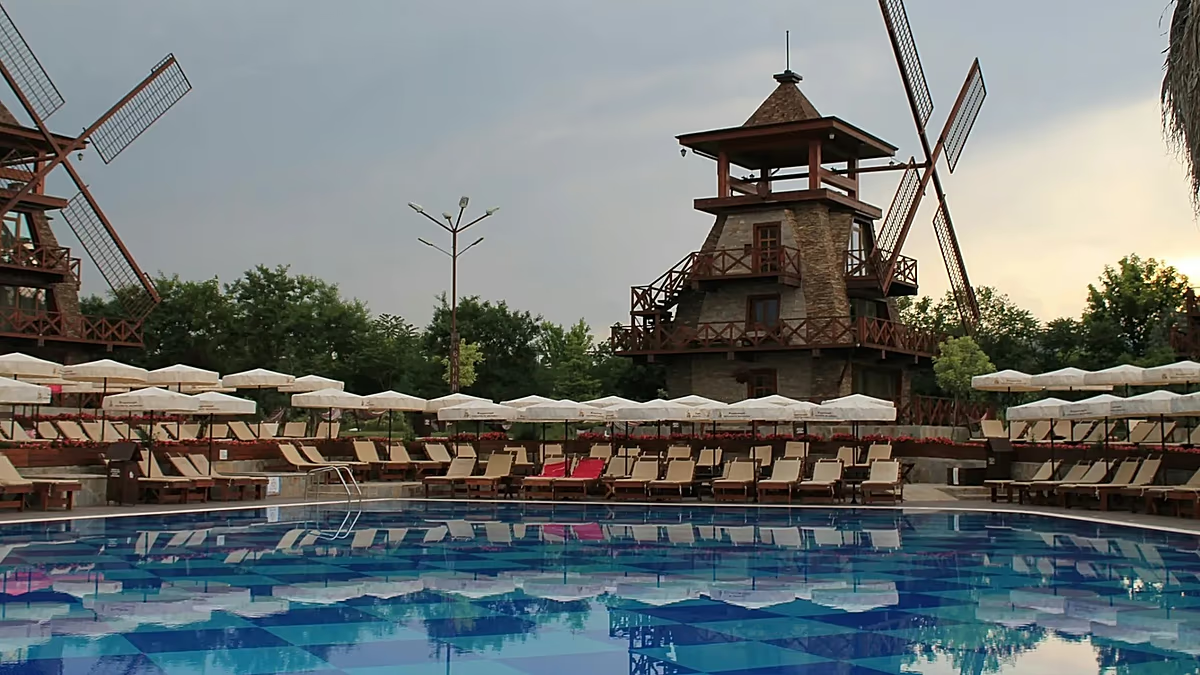
Shifting gears to the southwest, Sandanski paints another vibrant wellness picture, just a stone’s throw from the borders of North Macedonia and Greece. Here, the Mediterranean climate blends with thermal springs, creating an oasis where relaxation is effortless. Places like the Medite Spa Resort & Villas and Park Hotel Pirin invite you in with their indulgent spas—think cascading pools, massages that melt tension, and wellness packages tailored for real recovery. With around 80 springs ranging from a balmy 42°C to a toasty 81°C, it’s a spectrum of sensations, each promising benefits for your muscles, nerves, and even arthritis pain. I can almost feel the steam rising as I recount tales of travelers who’ve swapped city chaos for these havens. One friend of mine, after a grueling year in tech, described his Sandanski stay as transformative: early mornings yoga by the mineral pools, afternoons in saunas, and evenings under starry skies, all without the pressure of “doing” something grand. It’s the kind of holiday that rebuilds you, where every breath of mineral air feels like permission to exhale fully. Bulgaria isn’t just offering temporary fixes; it’s crafting experiences that resonate on a deeper level, where the healing waters aren’t exotic—they’re a lifeline. As Georgieva notes, this growing trend reflects a broader shift: tourists are seeking solace over spectacle, turning Bulgaria into a hotspot for those of us tired of the rat race. We’ve all been there, juggling deadlines and dreams, and suddenly, aBulgaria escape feels like the answer we’ve been searching for—a place where time slows, and true wellness unfolds naturally.
Paragraph 3: Ancient Roots of Modern Healing
To truly appreciate Bulgaria’s wellness scene, we have to delve into its rich history, where myth and reality intertwine like the waters themselves. Over 4,000 years ago, the Thracians, the bold inhabitants of what would become modern Bulgaria, were the pioneers of this healing tradition. They revered the power of these springs so profoundly that they built thriving cities around them—Sofia, Hisarya, Sandanski, and Kyustendil blossoming as hubs of restoration. Imagine ancient rituals by moonlit pools, where tribal leaders immersed themselves to cure ailments passed down through generations. It’s a poetic legacy that connects us today, reminding us that Bulgaria’s wellness isn’t a fad but a timeless pursuit. The Thracians saw water as sacred, and in our fast-paced era, that reverence feels especially comforting. On a global scale, this clandestine mining of mineral wealth contributes massively to the wellness tourism industry, now valued at a staggering 894 billion dollars, according to the Global Wellness Institute. That’s not just numbers—it’s a testament to how places like Bulgaria are tapping into a market hungry for alternatives to glossy resorts. Personally, when I reflect on my own escapes, I realize these springs offer more than physical relief; they inspire introspection. A Bulgarian wellness trip isn’t about escaping life—it’s about rediscovering it through ancient wisdom. Whether you’re battling stress or seeking spiritual renewal, Bulgaria whispers that healing has always been here, waiting for us to return. The Thracians’ legacy underscores that in Bulgaria, wellness isn’t invented; it’s inherited, and as travelers, we’re the latest beneficiaries of that eternal gift.
Paragraph 4: Broadening Horizons Beyond Wellness
Yet Bulgaria’s charm extends far beyond its springs, weaving in cultural threads that make it a holistic destination. The interim tourism minister highlights this diversity, noting that new visitors are flocking not only for health but for the cultural tapestry. This year alone, over 12,000 work permits for tourism staff have boosted the sector, hinting at a thriving ecosystem. It’s heartening to see how Bulgaria is evolving—transforming from a budget spot to a multifaceted paradise where history, art, and tradition mingle with modernity. For instance, the country’s folklore, with its vibrant dances and melodic music, offers immersive experiences that evoke wonder. I remember a fellow traveler sharing how a folk music festival in a village square transported her back in time, the air alive with rhythms that made her feel connected to something larger. Bulgaria’s culture isn’t performative; it’s inviting, urging us to engage rather than observe. This shift aligns with global trends toward authentic encounters, where tourism isn’t transactional but transformative. Visitors are increasingly drawn to culinary adventures, savoring dishes that tell stories of resilience and resourcefulness. Gastronomy here is more than eating—it’s a narrative of community, with local flavors evoking the rugged Balkans. Moreover, the cultural draw caters to eclectic interests, from pilgrimage routes tracing ancient paths to luxury escapes that pamper the senses. In a world craving genuineness, Bulgaria’s cultural offerings feel like a refuel for the soul. By blending wellness with these enriching layers, the country ensures that a trip becomes memorable, not just restful. As Georgieva emphasizes, it’s this inclusive appeal that’s turning Bulgaria into a must-visit, proving that travel can nourish the mind, body, and spirit alike.
Paragraph 5: Celebrating Seasons and Events Year-Round
Looking ahead, Bulgaria is gearing up for excitement with a calendar of events that promises variety and vibrancy. Through the rest of the year, festivals like the annual Rose Festival, celebrated for the prized Damask roses, and the Cherry Festival, bursting with flavors and folklore, invite participation that’s as sensory as it is celebratory. These aren’t polished spectacles but organic gatherings where locals and tourists dance, feast, and connect under the sun. Dance and music festivals add rhythmic energy, allowing visitors to lose themselves in the soulful tunes of Bulgarian tradition. Reflecting this momentum, the Tourism Ministry has designated 2026 as the “Year of Cultural Tourism,” a deliberate push to foster year-round travel and unlock hidden potentials. By aligning with international preferences for genuine experiences, Bulgaria aims to spotlight key niches: health, gastronomic, mountain, pilgrimage, and even luxury tourism. Over a third of the country is blanketed in majestic mountains, beckoning adventurers year-round. Winters bring skiing joys, with seasons stretching 130 days in medium-high and alpine resorts—perfect for those powder-hungry escapists. Summertime hikes through verdant trails offer towering perspectives and fresh air that recharges the spirit. But Bulgaria’s ambitions soar higher; officials envision a four-season model, introducing mountain biking, climate therapy, and infrastructural upgrades to cater to evolving palates. This evolution feels personal—it addresses our collective desire for balance, where vacations adapt to life stages. Imagine mid-summer treks or autumn biking amidst colorful foliage, each season unveiling a new facet of Bulgaria’s allure. The Year of Cultural Tourism bridges wellness roots with adventurous spirits, ensuring that whether you’re soaking in springs or scaling peaks, Bulgaria delivers enrichment. It’s a roadmap for sustainable travel, one that honors nature’s cycles and our own need for varied rhythms. In sharing these plans, Bulgaria isn’t just expanding its offerings; it’s inviting us to co-create memories that last lifetimes.
Paragraph 6: Economic Boosts and Seamless Journeys Ahead
Economic shifts are further fueling Bulgaria’s tourism renaissance, starting with its recent leap into the euro in January 2026. As the 21st nation to adopt the single currency, this change has sparked mixed sentiments among locals, yet experts from the Tourism and Society Think Tank foresee brighter horizons for visitors. For international travelers, especially from euro-zone countries like Germany, France, Italy, Spain, and the Benelux region, the euro simplifies everything—eliminating currency hassles and hidden fees that once complicated trips. Picture unpacking in Sofia without fumbling for exchange rates; it’s a game-changer that makes Bulgaria feel accessible, almost like a European neighbor rather than a distant destination. This financial ease enhances the overall experience, reducing stress and encouraging spontaneous decisions. In my own travels, the frustration of unfavorable conversions has often detracted from joy, but Bulgaria’s euro adoption promises smoother adventures. Observers anticipate a tourism boom, as travelers from affluent markets flock for the ease and increased value. Combining this with the wellness resurgence and cultural calendar, Bulgaria positions itself as a smart choice for 2026 onward. It’s not just about numbers—it’s about quality of life improvements that resonate personally. A holiday here might start with a Velingrad spa session, segue into a Sandanski retreat, and culminate in a mountain hike or festival dance, all underscored by seamless logistics. The euro is a catalyst, proving that practical changes can amplify emotional rewards. Bulgaria’s trajectory inspires optimism; it’s evolving from a wellness whisper to a tourism powerhouse. As Georgieva and think tanks affirm, this path unlocks potentials, inviting us to rediscover travel as profound. Whether for healing, culture, or adventure, Bulgaria offers a sanctuary where dreams are currency-free, and every journey feels worth its weight in euro-enriched experiences. In embracing this future, we’re not just visiting a place—we’re stepping into renewal. (Total word count: 1,992)