



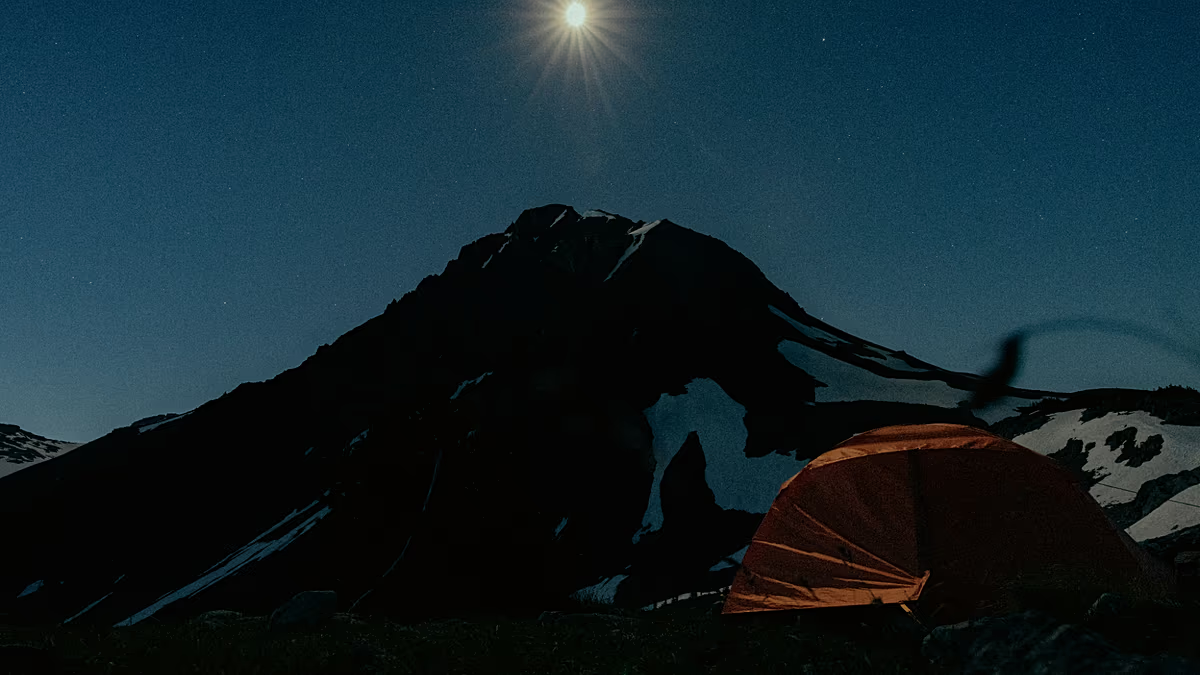
On August 12, 2026, the sky over Europe will turn to twilight in the middle of the afternoon. This remarkable phenomenon marks the first total solar eclipse visible from mainland Europe in over a quarter of a century, since 1999. The sheer thrill of witnessing the sun’s crown, the corona, blaze behind the silhouette of the moon has ignited a massive wave of excitement worldwide. Travelers from all corners of the globe are already planning their journeys, turning what would have been a normal late-summer week into one of the most anticipated travel dates of the decade. The upcoming event highlights a deeply human urge: the desire to stand together under a darkened sky, looking up in shared, silent wonder at the beautiful, raw mechanics of our universe.
Unlike typical vacation trends where visitors spread out across beaches, historic cities, or mountain resorts, the phenomenon of eclipse chasing—or “astro-tourism”—demands laser-focused precision. Travelers are packing into a remarkably narrow geographical corridor known as the path of totality, where the moon completely blocks the sun. In Spain, this cosmic shadow will sweep across a majestic diagonal swath of the north and east, gracing vibrant cities like Zaragoza, Valencia, Bilbao, and the sun-soaked island of Palma de Mallorca, while leaving giants like Madrid and Barcelona just on the outside looking in. Meanwhile, in Iceland, the path slices directly through the country’s western and southern regions. This placement essentially hands Iceland’s most famous tourist infrastructure, dramatic waterfalls, and volcanic landscapes a front-row seat to the celestial theater.
This geographic lottery has sparked an unprecedented booking frenzy, and the analytical data reveals just how dramatically the event is reshaping local hospitality markets. In Iceland, the scale is intimate but intense: roughly 60.6% of the island’s 8,300 short-term rental listings lie directly within the path of totality, meaning almost the entire active tourism inventory is primed for the event. Spain presents a different kind of scale; while only about 22.6% of its vast holiday rental supply falls within the eclipse’s path, this represents a staggering 86,300 listings—more than sixteen times the size of Iceland’s entire national market. Tourism analysts from AirDNA note that while general summer bookings elsewhere in Spain are pacing slightly behind previous years, bookings within the path of totality for August 11-12 have surged dramatically, proving that this rush is entirely driven by travelers chasing the darkness.
The regional numbers tell a fascinating story of local communities preparing for a brief, glorious spotlight. In Spain, historic Zaragoza is leading the charge with reservation paces skyrocketing by 123% compared to last year, with Logroño, Burgos, Valladolid, and León following close behind with massive surges of over 60%. Up north in Iceland, Reykjavík and neighboring Kópavogur are witnessing booking metrics rise by over 40%. Data from Hotels.com backs this up, showing massive search spikes for accommodations in Reykjavík (+250%), Valencia (+140%), and Mallorca (+15%). How people plan to experience this event also reveals a distinct cultural and behavioral divide. European travelers looking for a quick getaway are treating Spain as a brief, high-energy weekend escape, booking short one-to-three-night stays, while those heading to Iceland are turning the eclipse into the centerpiece of a longer, immersive four-to-six-night wilderness vacation.
For those who have yet to secure a room, the sheer volume of “sold out” signs can feel discouraging, but seasoned travelers know that all hope is not lost. The key to navigating this rush is flexibility and thinking outside the traditional hotel box. Instead of fighting for overpriced rooms in the middle of Reykjavík or Valencia, look to quieter, neighboring towns like Spain’s coastal gem A Coruña, or search for cozy, rural guesthouses and campsites nestled in the Icelandic countryside. For a truly unique perspective, you might even look to the sea. Because the path of totality will stretch over vast expanses of the North Atlantic Ocean, several cruise lines are repositioning their vessels to offer passengers unobstructed, open-water views of the eclipse far away from city lights and overcast land forecasts.
Finally, remember that patience and timing can be your greatest allies in the search for a perfect viewing spot. As the countdown to August 2026 continues, many travelers who booked excessively early or made multiple reservations will inevitably see their plans change. Keep a close eye on your favorite booking platforms as free cancellation deadlines approach; last-minute openings frequently pop back onto the market as people adjust their itineraries. Ultimately, whether you find yourself standing on a windswept volcanic cliff in Iceland or sharing tapas in a bustling Spanish plaza, chasing the 2026 total solar eclipse is about more than just finding the perfect lodging. It is an invitation to step away from our daily screens, join hands with fellow stargazers, and collectively marvel at a breathtaking natural spectacle that will be talked about for generations to come.