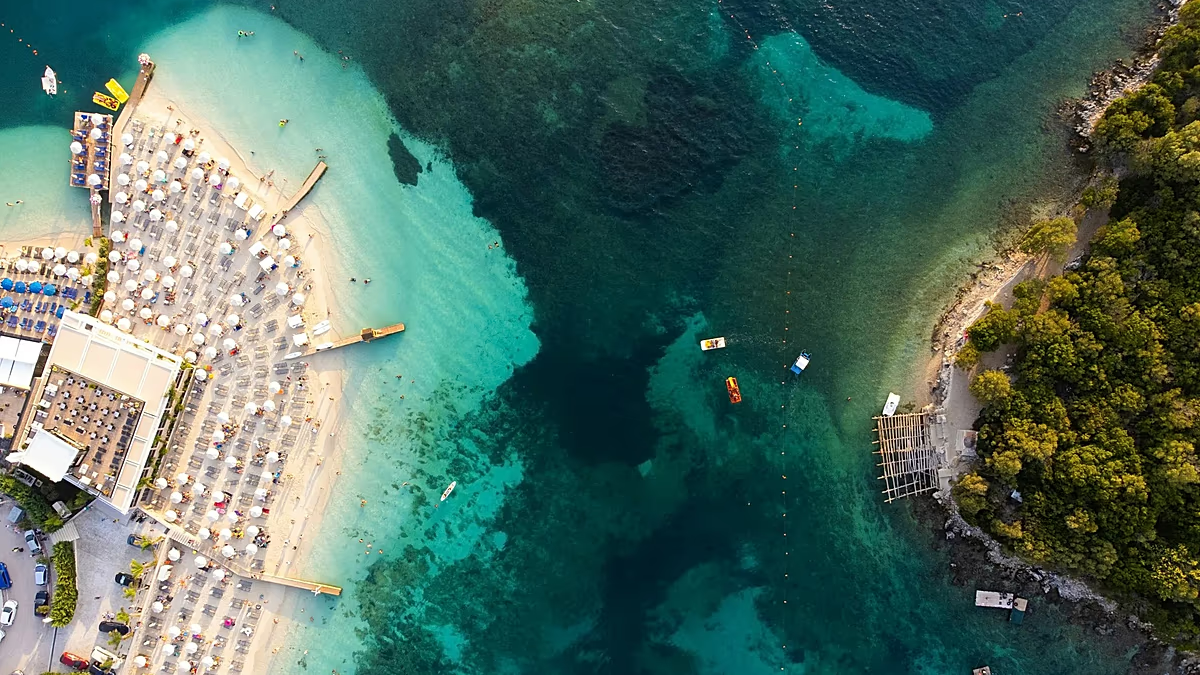



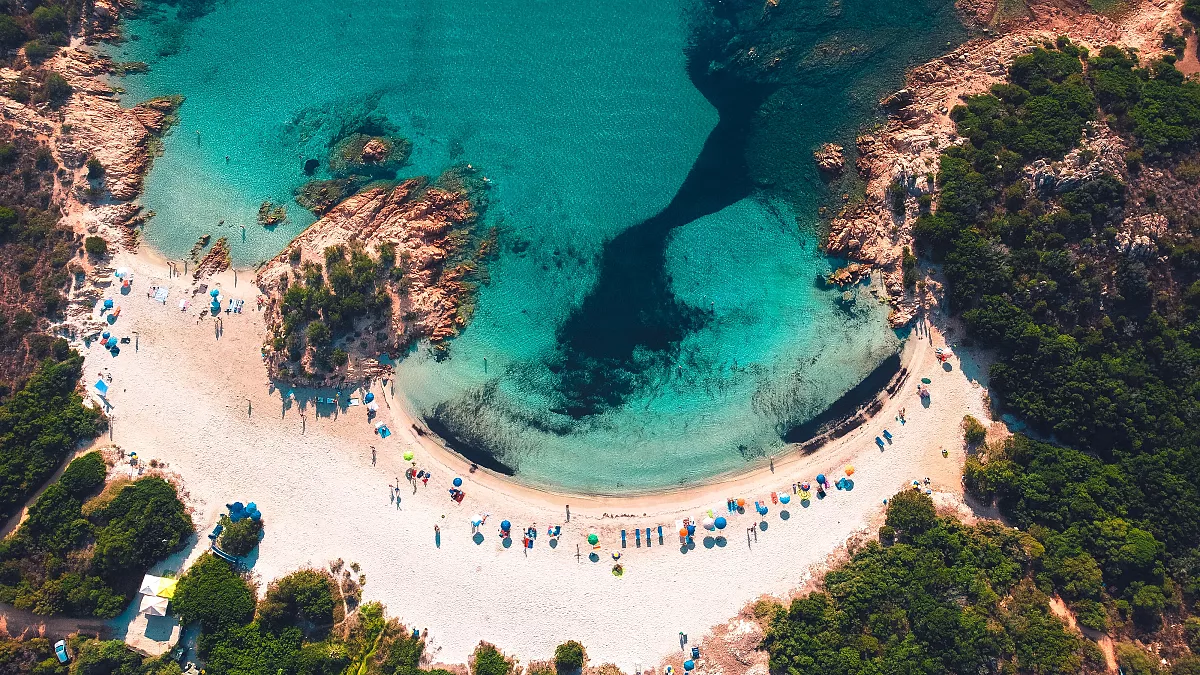
For generations, the sun-drenched Italian island of Sardinia has existed in the global imagination as an untouched Mediterranean Eden, a sanctuary of wild granite cliffs, ancient history, and waters so crystalline they seem to defy gravity. Yet, as the siren song of this island paradise has reached every corner of the Earth, the very qualities that make it breathtaking have been pushed to a precarious breaking point. The modern reality of traveling to Sardinia’s world-renowned coastline now requires much more than a passport, a swimsuit, and an appetite for fresh seafood; it demands meticulous coordination, advance digital reservations, and a deep respect for a growing list of environmental regulations. Driven by decades of overcrowding, ecological wear-and-tear, and increasingly disrespectful visitor behavior, local municipalities across the island have collectively decided that the era of unregulated, spontaneous mass tourism must come to an end. This shift is not merely about bureaucratic gatekeeping, but represents a passionate, necessary defense of a delicate natural heritage, urging travelers to transition from passive consumers of natural beauty to active custodians of the earth.
The most poignant symbol of this conservation battle can be found on the outlying island of Budelli, home to the hypnotic Spiaggia Rosa, or Pink Beach. Famed for its ethereal shoreline colored by the crushed fragments of rare microscopic shells and pink organisms, the beach once attracted thousands of daily visitors who, unfortunately, viewed the sand as a free souvenir rather than a natural wonder. Decades of tourists smuggling away kilograms of this pale rose sand in glass bottles and plastic bags forced the local government to make a drastic, heartbreaking decision in the mid-1990s: they banned public access to the beach entirely. Today, the Spiaggia Rosa remains a bittersweet monument to human greed, viewable only from the safe distance of an offshore boat. To enforce this boundary, authorities have established severe financial penalties, issuing on-the-spot fines of over €500 for anyone daring to set foot on the protected shore, and astronomical penalties of up to €3,500 for those caught attempting to steal or smuggle the precious pink grains.
Further north, nestled within the windswept beauty of the La Maddalena archipelago, the stunning coves of Cala Coticcio and Cala Brigantina have implemented their own strict limits to prevent their fragile environments from being trampled into oblivion. In these secluded, pool-like waters, local authorities have capped visitor numbers to a mere 60 people per day throughout the peak summer months. To secure one of these highly coveted spots, travelers must navigate a digital booking portal, pay a modest €3 entry fee, and commit to exploring only under the watchful eye of an authorized local guide. This highly controlled system aims to foster a more intimate, educational, and respectful connection with the environment. Similarly, further down the northern coast, the expansive stretches of Cala Brandinchi and Lu Impostu have initiated strict daily quotas of 1,447 and 3,352 visitors respectively, managed seamlessly through the San Teodoro mobile app. Meanwhile, at the breathtaking Cala Mariolu, a maximum of 700 sunbathers are allowed at any single time, supported by a localized environmental levy of €2 to €3 depending on the visitor’s point of arrival, proving that safeguarding paradise relies heavily on utilizing modern technology.
As you journey down to the southern and eastern horizons of Sardinia, the regulatory landscape shifts to address different geographical challenges, utilizing both financial disincentives and strict time constraints to manage human flow. In the southeastern resort town of Villasimius, the iconic white sands of Punta Molentis now require a €10 entry fee, while neighboring gems like Riu Trottu and Portu Sa Ruxi have transformed their parking access into defensive barriers against overcrowding, charging motorized vehicles up to €15 for parking while offering a reduced €3 rate for cyclists and pedestrians to encourage eco-friendly travel. Along the dramatic cliffs of the eastern Ogliastra coast, the management of popular coves like Cala Birìala and Cala dei Gabbiani has taken on a rhythmic, almost choreographic quality to prevent logjams of tour boats. At these beaches, daily capacity is capped at 300 people, and those arriving by sea are subject to strict, monitored stays of 70 to 90 minutes. This structured rotation ensures that everyone can enjoy a brief, magical encounter with the turquoise waters without suffocating the landscape, overseen by dedicated park staff who monitor access points.
Perhaps the most unique and talked-about set of regulations on the island can be found on the western coast at Stintino’s legendary Pelosa beach, a shallow, translucent lagoon that feels more like the Caribbean than the Mediterranean. Having previously endured chaotic summer days where over 4,000 visitors packed onto the sand, local officials have slashed the daily capacity to a strict limit of 1,500 people, requiring a pre-booked ticket costing €3.50. However, the most striking rule here targets a ubiquitous summer staple: the classic terrycloth beach towel. Because wet cotton towels act as giant sponges that easily collect and remove large quantities of fine white sand, beachgoers at Pelosa are now legally forbidden from laying conventional towels directly on the shore. Instead, they must place specialized straw or plastic mats beneath their towels, which do not trap the sand and allow it to remain where it belongs. This rule is heavily policed by local wardens, and travelers who ignore the regulation risk facing an on-the-spot fine of €100, highlighting how even our smallest, seemingly harmless beach habits can drastically accelerate coastal erosion.
Sardinia’s comprehensive strategy is not an isolated initiative, but rather a vital chapter in a broader Italian awakening against the destructive power of uncontrolled overtourism. From the historic canals of Venice, which has implemented an entry fee for day-trippers, to the picturesque harbors of Portofino, where tourists face steep €270 fines for lingering too long and blocking scenic walkways, Italy is rewriting the modern rules of hospitality. These evolving restrictions serve as a gentle but firm reminder that travel is a privilege, not an absolute right, and that the long-term survival of our planet’s most beautiful destinations requires us to change our behavior. By adapting to booking apps, accepting daily quotas, paying environmental fees, and learning to keep our towels off the sand, we can help protect these vulnerable shores. Ultimately, these measures invite us to slow down, cultivate a deeper respect for our surroundings, and ensure that the wild, untamed beauty of Sardinia remains intact for generations to come.