



In an era defined by massive media consolidation and corporate-controlled algorithms, local storytelling is facing an unprecedented crisis. As giant conglomerates swallow up independent outlets and gut regional newsrooms, communities are increasingly left with centralized, one-size-fits-all programming that fails to reflect their unique identities. Adding to this challenge is the sudden explosion of low-effort, AI-generated content, which clutters the digital landscape and threatens the authenticity of genuine, on-the-ground journalism. Amid this rapidly shifting media landscape, Seattle’s Cascade PBS (KCTS-TV) has stepped forward with a visionary solution to help public broadcasters reclaim their digital destiny. By spinning out its proprietary streaming technology into an independent startup named Local Public, the station is equipping public media providers across the country with the tools they need to engage modern audiences on their own terms. Launched as a public benefit corporation on July 1, Local Public is entirely owned by Cascade PBS for now, though plans are already in motion to transition the venture into a co-owned coalition backed by a nationwide network of participating PBS stations.
At its core, Local Public is designed to challenge the status quo of national, homogenized streaming platforms by offering local PBS stations their own fully branded, station-curated mobile and connected-TV applications. This innovative approach ensures that regional broadcasters do not get lost in a massive, centralized national portal, but can instead showcase their own localized storytelling, news, and specialized programming right at the forefront. Originally conceived as an internal development team to build custom digital products for Cascade PBS’s viewers in Western Washington and British Columbia, the project’s immense potential quickly became undeniable. Recognizing that stations nationwide faced the exact same digital distribution hurdles, Cascade PBS secured the backing of ten visionary “Founding Sponsor” partner stations to launch the Local Streaming Initiative (LSI). This collaborative effort laid the groundwork for Local Public to scale its technology into a robust, enterprise-grade software-as-a-service platform specifically tailored to the unique mission and financial structures of public broadcasting.
The reception from the public media community has been swift and enthusiastic, with eighteen major stations already adopting the Local Public ecosystem to power their modern streaming experiences. This initial wave of partners represents a diverse cross-section of American public media, including Arizona PBS in Phoenix, Houston Public Media, Oregon Public Broadcasting (OPB), Rocky Mountain PBS in Denver, Vegas PBS, WETA in Washington, D.C., WHYY in Philadelphia, and WQED in Pittsburgh. By uniting under this shared technological framework, these distinct stations can operate with the agility and speed of a modern tech startup while preserving the deep, trusted community relationships they have spent decades building. According to Local Public CEO Kevin Colligan, this model nurtures a powerful, collaborative coalition of independent organizations that can collectively compete with commercial streaming giants without sacrificing their local souls. Early success stories are already emerging, such as Sacramento’s KVIE relaunching its streaming presence as KVIE Plus, giving local viewers free, seamless access to live broadcast feeds, regional original programming, and acquired cinematic documentaries.
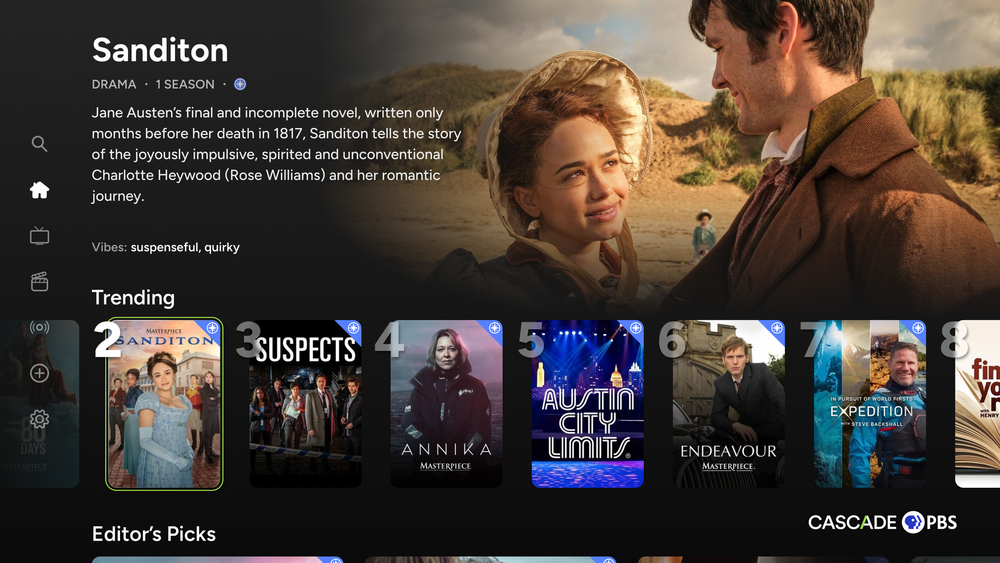
Technologically, Local Public has built a powerhouse engine that solves one of the most frustrating and expensive problems in modern software development: maintaining a high-quality presence across a fragmented digital ecosystem. The platform’s custom-branded applications currently run flawlessly on ten of the most popular consumer devices, including Roku, Amazon Fire TV, Apple TV, Google TV, Android TV, LG and Samsung smart televisions, iOS, Android, and web browsers. By offloading the monumental task of cross-platform app maintenance to Local Public, participating stations can refocus their valuable resources away from software debugging and toward producing impactful local journalism. This ecosystem is powered by a sophisticated, centralized content management system that allows station administrators to easily organize their video libraries, curate featured-content carousels for their homepages, and pull detailed, real-time viewer analytics. Looking ahead, Local Public has mapped out an ambitious development pipeline, with plans to integrate NPR news, local live radio, and regional podcasts directly into the interface by fiscal year 2027.
Beyond simply delivering high-quality video, Local Public is fundamentally built to support the critical financial engines that keep public media alive and independent. Unlike commercial streaming platforms that rely heavily on invasive data tracking and disruptive advertising, public television depends on the voluntary financial support of its viewers. To support this relationship, Local Public’s apps are fully integrated with PBS Passport, the popular video-on-demand benefit reserved for recurring station donors, as well as PBS Media Manager, the standard backend system used to manage national and regional program distribution. This tight technical integration allows stations to communicate directly with their viewers, run targeted in-app membership drives, and convert casual streamers into loyal premium donors. By placing powerful fundraising and audience-relationship tools directly into the hands of local station managers, the platform transforms the streaming experience from a passive, isolating activity into a direct, interactive pathway for community support and civic engagement.
Recognizing that public media budgets vary wildly across the country, Local Public has introduced a highly equitable, tiered pricing structure based on a station’s size and its existing number of Passport-eligible members at the time of signup. This ensures that smaller, rural, or community-funded stations are not priced out of the digital revolution. For instance, smaller stations with fewer than 15,000 members can access this suite of cutting-edge TV and mobile apps for an onboarding fee of $8,000 and an annual subscription of $60,000—a mere fraction of what it would cost an individual station to develop and maintain ten separate native apps from scratch. Through this shared-services model, Local Public is democratizing elite streaming technology, ensuring that whether a station is operating in a major metropolitan hub or a quiet rural pocket, they have the tools to deliver trusted, authentic local stories directly to the living rooms of the communities they serve.