



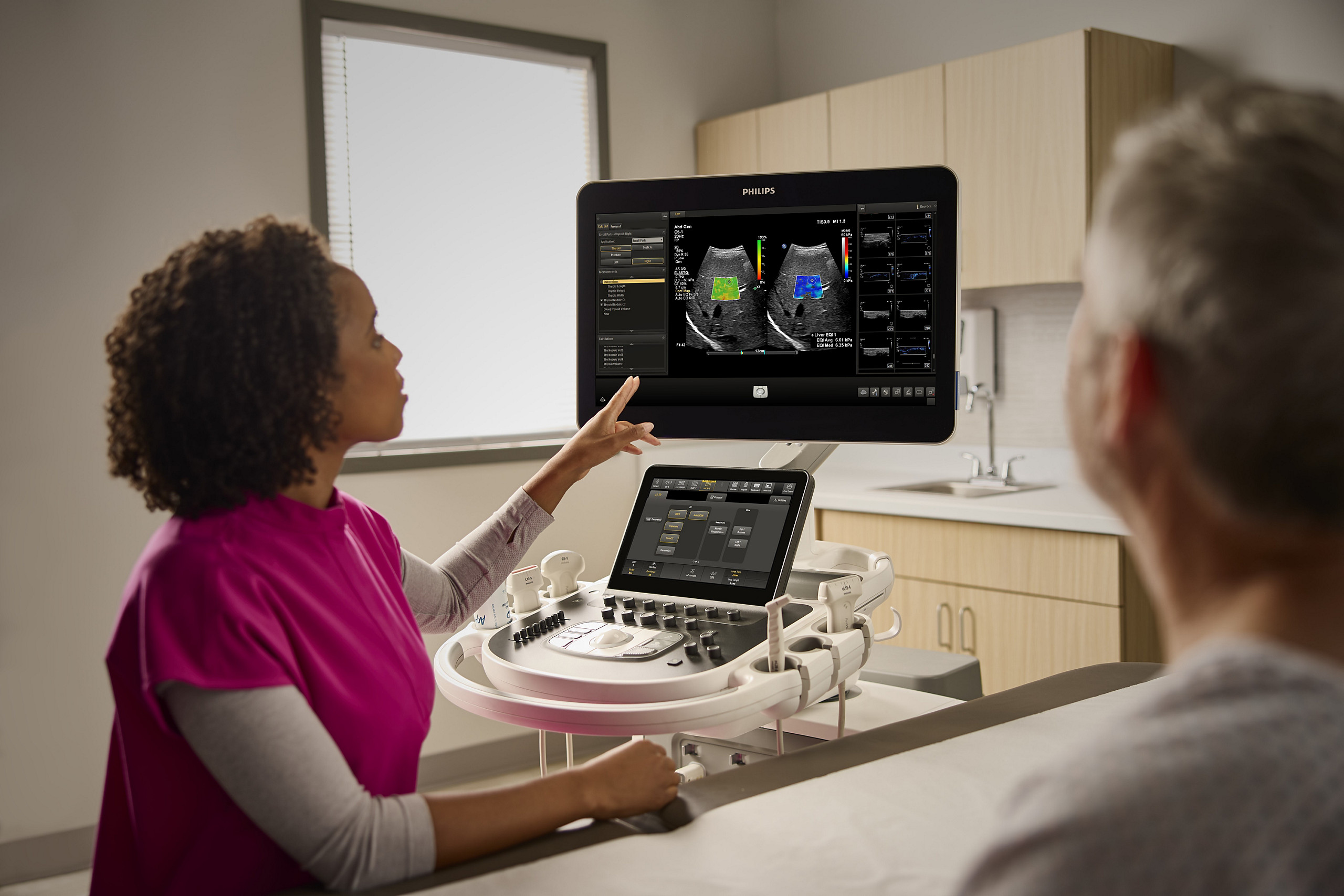
Corporate real estate moves are often written about in dry financial jargon—lease agreements, square footage, asset liquidations, and strategic realignments—but behind every transaction lie the stories of the people who arrive at these facilities every morning to do the quiet, vital work of saving lives. In June 2026, the global healthcare technology giant Royal Philips announced its intention to place its sprawling, multi-building campus in Bothell, Washington, on the market, sparking a wave of deep introspection across the Pacific Northwest’s medical technology sector. Nestled among the evergreen trees along the Bothell Everett Highway, this quiet campus has for decades served as an active, bustling crucible for medical imaging innovation, where roughly 1,500 researchers, engineers, technicians, and administrative professionals build premium diagnostic machinery. These are not merely assembly lines; they are labs of hope where scientists construct premium imaging platforms that help physicians peer inside the human body with crystalline clarity, detecting illnesses before they can cause harm. For these employees, the announcement of a sale brings an inevitable cocktail of uncertainty and nostalgia, despite corporate assurances that their roles and daily duties remain unchanged. Corporate leadership was quick to frame this move as an evolutionary step in a highly deliberate, multi-year real estate and workplace alignment strategy designed to modernize their physical footprint and adapt to changing operational needs. By promising to secure a new local site, Philips balances financial strategy with a commitment to its workforce, yet to those who walk these halls, the move is a poignant reminder that even the most deeply rooted institutions must eventually adapt to a rapidly changing world. The campus, which holds decades of shared breakthroughs and collaborative triumphs, represents a physical sanctuary of innovation that cannot be easily packaged and moved. Thus, this transition marks not just a simple change in property ownership, but a deep psychological shift for a community of scientists who have defined their professional identities by the very bricks and mortar of Canyon Park.
To understand why this sale resonates so deeply, one must look back to the late twentieth century, when Washington state was transforming into the global capital of medical ultrasound technology. The pioneer of this movement was Advanced Technology Laboratories (ATL Ultrasound), an imaging trailblazer that pioneered real-time diagnostic scanning. In 1998, recognizing the sheer brilliance and market potential of ATL’s engineering workforce, Philips acquired the company for a staggering $800 million, a landmark deal that instantly established Bothell as the undisputed crown jewel of Philips’ international ultrasound division. This acquisition was far more than a mere transaction; it was a seeding event that fertilized the entire regional biotechnology soil, spawning a vast, interconnected ecosystem of engineers and visionaries. From this fertile environment emerged SonoSite, a revolutionary spin-out that transformed bulky ultrasound carts into portable, handheld devices that could be carried into frontline military field hospitals and remote rural clinics alike—a company that itself was later acquired by Fujifilm in 2012 for nearly a billion dollars. The Canyon Park facility became a physical monument to this legacy of innovation, housing an extraordinary concentration of intellectual capital where generations of experts mentored younger colleagues in the delicate art of transducer engineering and acoustic physics. For nearly thirty years, the site has been a beacon of technical excellence, proving that a medium-sized suburb of Seattle could outpace the traditional tech hubs of Silicon Valley and Boston in medical imaging brilliance. Consequently, dismantling or moving this campus feels, to many local veterans, like altering the physical coordinates of their shared heritage, a heritage built on the premise that sound waves could be harnessed to peer into the mysteries of the human body and alleviate suffering.
The DNA of the Bothell campus is also profoundly shaped by the legacy of cardiac care, specifically through the achievements of Heartstream. In the mid-1990s, Heartstream revolutionized public safety by inventing the portable automated external defibrillator (AED), enabling citizens to rescue cardiac arrest victims. The trajectory of this technology read like an epic corporate saga: Heartstream was purchased by Hewlett-Packard in 1998, transitioned into Agilent Technologies, and was ultimately acquired by Philips in 2001 as part of a massive consolidation of medical assets. For over two decades, these two lifesaving divisions—ultrasound and cardiac care—coexisted, sharing resources, ideas, and physical space under the Philips banner in Bothell, creating a highly unique, multidisciplinary center of gravity. In a poetic twist of corporate history, the Heartstream name was triumphantly revived just earlier this year when Bridgefield Capital acquired Philips’ Emergency Care business and relaunched it as an independent entity, once again based right here in Bothell with hundreds of global employees. This cycle of acquisition, consolidation, and eventual rebirth highlights the organic, almost living nature of the Washington med-tech community, showing that while corporate logos on the outside of buildings may change, the underlying dedication to public wellness remains incredibly resilient. The physical boundaries of the Bothell offices have acted as a greenhouse for these life-sustaining tools, allowing ideas to cross-pollinate between different teams of passionate technicians. When we look at the campus today, we are looking at the birthplace of technologies that have saved countless lives in schools, airports, and sports stadiums worldwide, making the impending sale of the site a highly symbolic moment of transition for the pioneers who built these industries from the ground up.
Beyond historic scientific triumphs, this real estate decision must be understood through the lens of a broader cultural shift in how we view the workplace. The post-pandemic era disrupted the model of centralized corporate headquarters, sparking a reevaluation of how physical spaces can foster collaboration while respecting hybrid workforces. For a multinational giant like Philips, maintaining sprawling suburban campuses with massive utility bills and half-empty offices no longer aligns with the realities of modern engineering and manufacturing workflows. The planned sale of the Canyon Park facility is a pragmatic response to these shifting tides, representing a conscious pivot toward manufacturing agility, environmental sustainability, and fiscal responsibility rather than an abandonment of the region or its talent. The company’s stated goal of finding a more modern, tailored local site if the property sells reflects a desire to create a working environment that mirrors the flexible, forward-thinking nature of their own medical products. Moving to a new location, while logistically challenging, offers an opportunity to design facilities from scratch, integrating state-of-the-art laboratory spaces with open, collaborative communal areas that meet the social and professional needs of younger generations of workers. This transformation will alter the daily rhythms of local staff, who are accustomed to the serene, park-like settings of Bothell. Relocating these teams means transplanting a unique, localized lifestyle that has been nurtured over many years. Managing the sheer logistics of such an operation—scaling down, packing delicate scientific instruments, and asking hundreds of employees to adapt to a new daily commute—is a deeply human challenge that requires empathy, clear communication, and corporate transparency. Ultimately, this change forces us to ask what truly defines a company’s culture: is it the specific physical walls within which people work, or is it the shared mission and collective brilliance of the people themselves that endure, regardless of the zip code?
However, one cannot ignore the operational and regulatory pressures that have swept through the Bothell facility. The biomedical field is heavily scrutinized; even minor oversights can impact patient safety. This harsh reality hit home recently when the U.S. Food and Drug Administration issued a formal warning letter to the executive leadership of Royal Philips, pointing to critical oversight and quality assurance documentation vulnerabilities within the Bothell facility, alongside sites in Pennsylvania and the Netherlands. These issues did not stem from malicious neglect, but rather from a lack of systematic documentation regarding consumer complaints when ultrasound devices suffered physical breakage or operational glitches, exposing the bureaucratic challenges of scaling quality control in a global enterprise. Federal inspectors raised urgent concerns regarding how the plant documented feedback when ultrasound devices malfunctioned during clinical use. This regulatory friction was compounded by painful internal restructurings, including localized layoffs that affected dozens of dedicated manufacturing workers at the site, injecting an element of anxiety and vulnerability into the campus atmosphere. For the engineers and quality control specialists on the ground, these challenges have demanded long hours of painstaking work to review processes, rewrite documentation protocols, and restore absolute confidence in their production lines. This heightened pressure serves as a stark reminder that behind the sleek marketing of premium medical hardware lies an intense, sometimes exhausting human struggle to maintain perfection under the watchful eyes of global regulators. Managing relocation while resolving compliance mandates creates a balancing act, demanding resilience from a dedicated workforce. It is within this crucible of challenge that the true strength of the Bothell team is tested, proving that their commitment to patient safety remains their guiding North Star despite administrative shifts.
Ultimately, the story is not one of decline, but a transition highlighting the strength of the Pacific Northwest’s scientific community. While the physical structures of Canyon Park may eventually welcome new tenants, the human capital that made those buildings legendary remains firmly rooted in the local community, ready to write the next chapter of regional innovation. Philips’ commitment to securing a new local home ensures that the expertise of its 1,500 employees will remain in Washington. By ensuring that these brilliant minds stay geographically close, the region retains its status as a premier global hub for biomedical engineering, inspiring future generations of local students and researchers to enter the noble path of medical technology. The brilliance of Seattle’s med-tech corridor has never resided in concrete, glass, or steel; it has always lived in the curious minds of the engineers who spend their lives figuring out how to render the internal workings of the human heart in high-definition clarity. As these teams prepare to eventually pack up their laboratories and move to a new facility, they carry with them a proud legacy of breakthrough discoveries that will continue to shape global healthcare for generations to come. This transition is a reminder that in both business and science, progress requires constant adaptation, and that the end of one era is merely the quiet beginning of another. The spirit of ATL, the heartbeat of Heartstream, and the pioneering drive of Philips will undoubtedly find a new space to flourish, proving that the true heart of innovation is portable, resilient, and deeply human. As sales signs go up along the highway, the community looks forward, knowing their mission remains as vital as ever. The human touch continues to guide the tools that heal us, proving that innovation cannot be bound by property lines.