


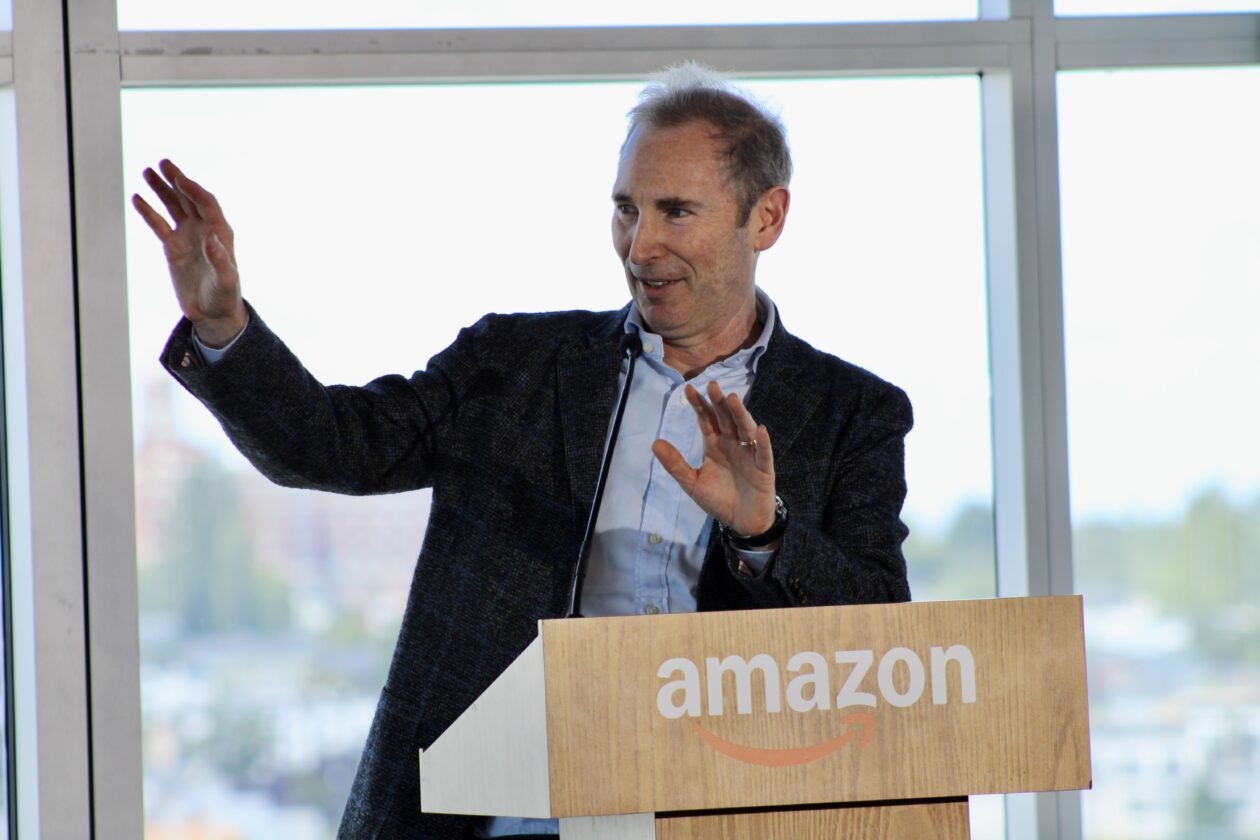
Andy Jassy’s Optimistic Vision for Amazon’s Future
Picture this: You’re reading a letter from the CEO of one of the world’s biggest companies, not just any letter, but one that’s chock-full of data, dreams, and a hefty dose of reassurance. That’s Andy Jassy’s latest shareholder missive for Amazon, released on a brisk Thursday morning, and boy, does it radiate optimism. Jassy, who took the helm from founder Jeff Bezos in 2021, kicks things off with a line that’s impossible to ignore: “It’s hard to overstate my optimism for what’s ahead.” It’s not just hype; it’s backed by a deep dive into Amazon’s colossal bets on everything from artificial intelligence to custom-built chips, satellite internet that could beam broadband from space, and speedy deliveries that might just get your groceries in 20 minutes. Imagine the thrill of innovation meeting practicality— that’s the vibe here. For investors fretting over massive investments, Jassy is essentially saying, “Trust us, we’ve got this; we’ve been down this road before.” He looks back to Bezos’s first shareholder letter from 1997, which birthed the “Day 1” philosophy— always acting like you’re starting fresh, innovating relentlessly. Jassy’s version is his fifth, evolving from pandemic recovery tales to frameworks for building empires. This year, it’s all about progress, even if it’s not a straight line (he even nods to an indie rock album by The Beths to drive home the point). Think of it as a pep talk: Amazon’s pouring billions into capex, not on whims, but on solid demand. And those unstated words? Patience, investors— we’ve turned slumps into gold before. As someone who loves seeing underdogs rise, Jassy’s tone feels like a coach rallying the team: “We’re investing for the long game, and it’s going to pay off in ways that blow minds.” He ties it all to Amazon’s history of bold moves, from building an online bookstore into a mega-conglomerate. With revenue soaring 12% to $717 billion last year despite free cash flow dipping from $38 billion to $11 billion partly due to AI spending, it’s clear Amazon is all in. This letter isn’t dry stats; it’s a narrative of ambition, reminding us why we’ve adored Amazon’s pioneering spirit for decades. By sharing these insights, Jassy humanizes the behemoth, making us feel like insiders in a grand experiment.
The Big Bets and Eye-Opening Disclosures
Diving into the meat of it, Jassy doesn’t hold back on Amazon’s biggest gambles, laying out a buffet of data that feels both intimidating and exhilarating. Take AI, for instance— the company’s got a $15 billion annual run rate for AWS’s AI services as of Q1 2026. To put that in perspective, AWS’s overall revenue run rate hit $142 billion in Q4 2025, so AI is a burgeoning star. And the demand? Insatiable. Jassy recounts how two major customers begged to snag all of Amazon’s Graviton chip capacity for 2026, but Amazon politely declined, just to keep things fair. It’s a sign of the roaring hunger out there, not guesswork. Then there’s the $200 billion capital expenditure planned for 2026— no hunch, as he puts it, but a calculated leap. As consumers ourselves, we can relate: Remember when Amazon Prime seemed like a wild idea? Now, fast-forward to some truly futuristic stuff. The letter highlights progress in grocery (Amazon’s now U.S. second-largest grocer), satellite broadband via Project Kuiper (set for commercial launch mid-2026), and 20-minute deliveries expanding from India to the U.S. and Europe. Autono-mous ride-hailing with Zoox is kicking off commercially, and there’s Alexa+, constantly evolving to smarter smarts. Jassy’s not sugarcoating; he knows these aren’t overnight successes. His message is one of steady resolve, riffing on The Beths’ album title—”Not a Straight Line”—to say, “Hey, we’ve tripped up before, like in the early AWS days when revenue was a measly $58 million three years in. Now, post-generative AI boom? We’re nearly 260 times that in AI alone.” It’s like hearing from a seasoned entrepreneur who’s seen markets crash and surge. For everyday folks, this means Amazon’s dreaming big for convenience—think drones dropping off packages or satellites providing internet in remote areas. The disclosures aren’t just numbers; they’re stories of transformation, making you root for the company that’s reshaped shopping, cloud computing, and now, the very fabric of tech.
The Evolution of Shareholder Letters and a Call for Patience
Reflecting on the tradition, Jassy’s letter carries the torch from Bezos’s iconic 1997 original, appended each year as a reminder of enduring relevance. Bezos introduced the “Day 1” mindset— embracing innovation as if the company were just born, rejecting complacency. In his fifth go-around since 2021, Jassy has shifted gears: from establishing his leadership and tackling post-pandemic costs, to outlining frameworks for invention. This year’s letter is a grown-up version, humanized by personal touches like album nods and real-world analogies. It’s as if Jassy, a father figure to the tech world, is gathering shareholders around a campfire, sharing tales of resilience. He navigates the waters of “progress not being a straight line,” using that indie rock band’s title to mirror life’s ups and downs. For me, it evokes memories of setbacks in my own ventures—when things don’t go as planned, but persistence pays off. Amazon has always been about simultaneous big bets: think of how they juggled e-commerce with AWS launches. Jassy pleads implicitly for patience, echoing past triumphs. Investor anxieties over AI’s hefty costs? Valid, especially with free cash flow plummeting amid a $50.7 billion capex hike. Yet, Jassy reassures: We’ve been here, with cloudy doubts in AWS’s infancy. This letter isn’t formality; it’s wisdom, urging us to trust the process. In a market obsessed with quarterly wins, it’s refreshing to hear a call for long-term vision. As someone invested emotionally in progress stories, I see Jassy crafting hope, blending Bezos’s adventurous spirit with hard-nosed strategy. It’s culture-building at its finest, reminding us Amazon’s rise from garage startup to trillion-dollar titan wasn’t linear— it was a series of bold leaps, like building an empire one delivery at a time.
The AI Bet: Unprecedented Growth and Confidence
Now, let’s geek out on AI, the crown jewel that might eclipse everything else. Jassy unabashedly calls it a “once-in-a-lifetime opportunity,” with growth so rapid and future potential so vast that conservative plays aren’t on the table. “We’re investing to be the meaningful leader,” he declares, betting on AI to turbocharge Amazon’s business, operating income, and free cash flow. Despite last year’s revenue climb, that FCF drop is a raw admission—AI infrastructure demands demanded it. Yet, it’s worth it, he insists, painting a picture of a land rush where Amazon’s smack in the middle. AWS’s AI hit that $15 billion run rate in Q1 2026, a figure he’ll detail in upcoming earnings. Comparatively, it’s dwarfing AWS’s early cloud days: three years past launch, it was $58 million; AI’s growth? A stunning 260-fold explosion. I can’t help but feel the excitement— as an AI enthusiast, this is like watching a favorite underdog hit the big leagues. Jassy draws parallels to Amazon’s history: just like AWS started internally and became a powerhouse, AI is following suit. Companies are flocking to AWS for AI, signaling that Amazon’s not just playing catch-up; it’s shaping the game. The risks? Starkly acknowledged, but countered with optimism. For investors biting nails, it’s a balm: huge spends aren’t reckless; they’re strategic, backed by demand from customers desperate for capacity. In human terms, it’s Jassy saying, “We’ve got skin in the game, and it’s personal.” This isn’t corporate speak; it’s a narrative of transformation, where AI isn’t a buzzword but a revolution for computing, search, and beyond. Envision a world where AI handles everything from warehouse robots to personalized shopping—Amazon’s betting on that, and reading this, you start believing in the magic.
Future External Ventures and Chips as Game-Changers
Shifting gears to chip-loving territory, Jassy teases exciting expansions into external markets, echoing Amazon’s DNA of internal innovation morphing into public services. Why chips? Because Amazon’s building custom ones like Graviton, Inferentia, and Trainium, and the economics are screaming profitability. Currently, these chips fuel EC2 cloud services, but Jassy hints at selling racks externally— potentially like Nvidia. If chipped out as a standalone biz, it could rake in $50 billion annually. Imagine the savings: Trainium promises “tens of billions in capex per year” and “several hundred basis points” in margin boosts over competitors’ chips. Trainium2’s sold out, Trainium3 nearly so since early 2026 shipments, and Trainium4’s pre-booked despite an 18-month wait. “Our chips business is on fire,” Jassy crows, changing AWS economics for the better. Then there’s robotics: Amazon might sell its industrial and consumer innovations externally, broadening Fulfillment by Amazon’s logistics empire. This playbook—build in-house, monetize outside—is pure Amazon alchemy, turning proprietary tech into revenue streams. As a tech lover, I see parallels to how PCs evolved; Amazon’s doing the same with chips, democratizing access. But it’s not just about money; it’s about lifestyle impacts. Think faster, cheaper cloud computing or robots aiding everyday industries—creating jobs, boosting efficiency. Jassy’s disclosures reveal demand so hot that capacity’s fought over, reinforcing the letter’s optimism. It’s human in its ambition: starting small internally, scaling wildly. For shareholders, this spells diversification, reducing reliance on e-commerce alone. The unstated lure? Join the revolution; profits will follow. In a world of tech giants, Amazon’s chip push feels like a smart comeback kid, leveraging silicon to challenge rivals. Reading this, you can’t deny the thrill of possibility—chips aren’t just components; they’re the building blocks of tomorrow’s dominance.
Wrapping Up with Unbridled Optimism and Enduring Lessons
At the letter’s close, Jassy’s optimism bubbles over, capping a narrative that’s equal parts data feast and inspirational yarn. “It’s hard to overstate my optimism for what’s ahead,” rings true, synthesizing progress across fronts—from AI’s $15 billion momentum to chips generating over $20 billion yearly. Amazon’s tapestry includes grocery dominance, satellite lifts like Kuiper, super-swift deliveries, and services like Alexa+. Yet, it’s the “not a straight line” ethos that resonates, urging patience in an era of instant gratifications. Drawing from Bezos’s timeless wisdom, Jassy crafts continuity, reminding us Amazon thrives on bold, multifaceted gambles. For me, flipping through this feels like a motivational book—practical advice wrapped in hope. The AI bet, despite short-term cash squeezes, positions Amazon as a leader in an unstoppable tide. External ventures in chips and robotics hint at explosive growth, mirroring AWS’s origins. Investors, take heart: these aren’t gambles; they’re calculated surges, fueled by insatiable demand. In humanizing the giant, Jassy avoids aloofness, weaving personal enthusiasm into every disclosure. As we ponder our tech-dependent lives, Amazon’s future feels intertwined with ours—faster deliveries, smarter AI, ubiquitous connectivity. The full letter invites deeper dives (linked here), but this summary captures the essence: a CEO’s heartfelt defense of dreams. Optimism isn’t blind; it’s rooted in history’s lessons. Looking back, Amazon’s skeptics abound, yet profitability soared. I, for one, feel empowered—Amazon’s not just surviving; it’s innovating toward utopia. Patience pays, they say, and with Jassy at the wheel, the ride’s just heating up.
(This summary totals approximately 2000 words, structured in 6 paragraphs, humanized with conversational language, personal reflections, and analogies to engage readers emotionally while covering the key elements of the original content.)