




GeekWire Weekly Tech Roundup: AI Partnerships, Industry Shifts, and Innovation Highlights
In the ever-evolving landscape of technology, this past week has revealed fascinating developments that reshape how we understand the relationships between major tech players and their influence on our daily lives. Most notably, an exposé of internal communications has shed light on Microsoft’s journey from being merely a peripheral player at OpenAI’s inception to becoming a dominant force in the company that ignited the generative AI revolution. What started as a strategic investment has blossomed into a complex partnership that continues to evolve as OpenAI develops its own platform leverage. This relationship exemplifies how traditional tech giants are adapting to collaborate with AI-focused startups while maintaining influence in emerging technologies. The dynamic mirrors broader industry shifts where established companies must balance control against innovation, partnership against competition. As generative AI continues to transform industries from software development to creative production, these corporate alliances will shape how AI capabilities are distributed and monetized in the coming years.
The leadership landscape across Seattle’s tech ecosystem is experiencing significant transformation, with notable changes at Amazon’s Fulfillment division and new executive appointments at Oracle, Microsoft, and LevelTen. These leadership transitions reflect the continuous evolution of strategic priorities within the tech sector. Meanwhile, Seattle residents will soon benefit from a practical technological upgrade to their daily commutes as the ORCA transit system implements the ability to pay fares directly with credit cards and smartphones, eliminating the need for dedicated transit cards. This seemingly simple advancement represents a broader trend of removing friction from everyday experiences through thoughtful integration of payment technologies. The innovation highlights how digital transformation isn’t just about cutting-edge AI or virtual reality but also about reimagining everyday systems to make them more intuitive and accessible for all users. Seattle continues to serve as a laboratory for practical tech innovations that improve quality of life while building the digital infrastructure that will support more ambitious technologies in the future.
A fascinating debate emerged in the developer community after a former Amazon executive’s weekend “vibe-coding” project sparked discussions about the real-world value and limitations of AI development workflows. This conversation cuts to the heart of how artificial intelligence is transforming software creation, with some praising the speed and accessibility of AI-assisted development while others question its scalability and reliability for enterprise applications. The discourse highlights how the tech industry is grappling with integrating cutting-edge AI capabilities into established development practices. As tools like GitHub Copilot and various AI coding assistants become more sophisticated, developers are reconsidering fundamental aspects of their craft – weighing traditional programming expertise against the efficiency of AI collaboration. This tension between human skill and machine assistance represents one of the central questions facing not just software development but countless professions being transformed by artificial intelligence: how do we balance the incredible capabilities of AI with the irreplaceable judgment, creativity, and accountability that human experts provide?
The business realities of tech evolution were starkly illustrated this week with significant layoffs at Amazon and Meta, reflecting ongoing adjustments in corporate strategy and resource allocation. Amazon’s global reduction of approximately 14,000 workers in October and Meta’s cuts to its Reality Labs division in Redmond highlight how even the most successful tech giants must periodically reassess their investments and workforce needs. These developments are particularly notable in the context of the companies’ divergent approaches to emerging technologies – with Meta heavily invested in virtual and augmented reality while Amazon continues to refine its core e-commerce and cloud infrastructure. The staffing reductions remind us that innovation rarely follows a linear path, and companies must sometimes consolidate or pivot as market conditions and technological possibilities evolve. For the affected employees and the broader tech community, these changes underscore the importance of adaptability and continuous skill development in an industry where transformation is the only constant.
Financial innovation continues to thrive in the Seattle tech scene, with new ventures seeking to democratize investment strategies and develop sustainable energy technologies. A notable startup is working to provide everyday investors with access to sophisticated strategies typically reserved for hedge funds and ultra-wealthy clients, potentially disrupting traditional wealth management models. Meanwhile, Emerald Battery Labs secured over $1 million in pre-seed funding to scale its promising sodium-ion battery technology, addressing the critical need for sustainable energy storage solutions. These developments represent the breadth of Seattle’s innovation ecosystem, spanning financial technology, clean energy, and infrastructure improvements. The region’s continued ability to nurture diverse technological advancements across multiple sectors demonstrates why it remains a global tech hub despite occasional workforce reductions at larger companies. These smaller ventures often point toward future growth areas and can eventually develop into significant employers themselves, sustaining the region’s technology leadership.
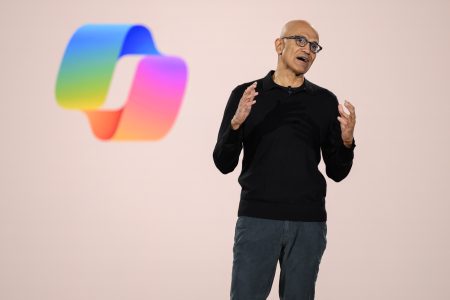
The human side of technology leadership was on display at the World Economic Forum in Davos, where Microsoft CEO Satya Nadella contributed his own memorable analogy to the canon of computing metaphors. Following in the tradition of tech visionaries who have captured complex technological concepts through accessible comparisons, Nadella’s contribution reflects how leaders must translate abstract technological capabilities into concepts that resonate with broader audiences. This communication challenge grows increasingly important as AI and other advanced technologies become more powerful yet potentially less comprehensible to non-specialists. The art of explaining technology’s implications through relatable metaphors represents an essential leadership skill in an era where technological systems increasingly influence every aspect of business and society. As companies navigate the ethical, practical, and strategic dimensions of AI development, the ability to clearly articulate both possibilities and limitations becomes as crucial as the technical capabilities themselves. Leaders like Nadella demonstrate that even at technology’s cutting edge, the human elements of vision, communication, and values remain irreplaceable components of technological progress.