

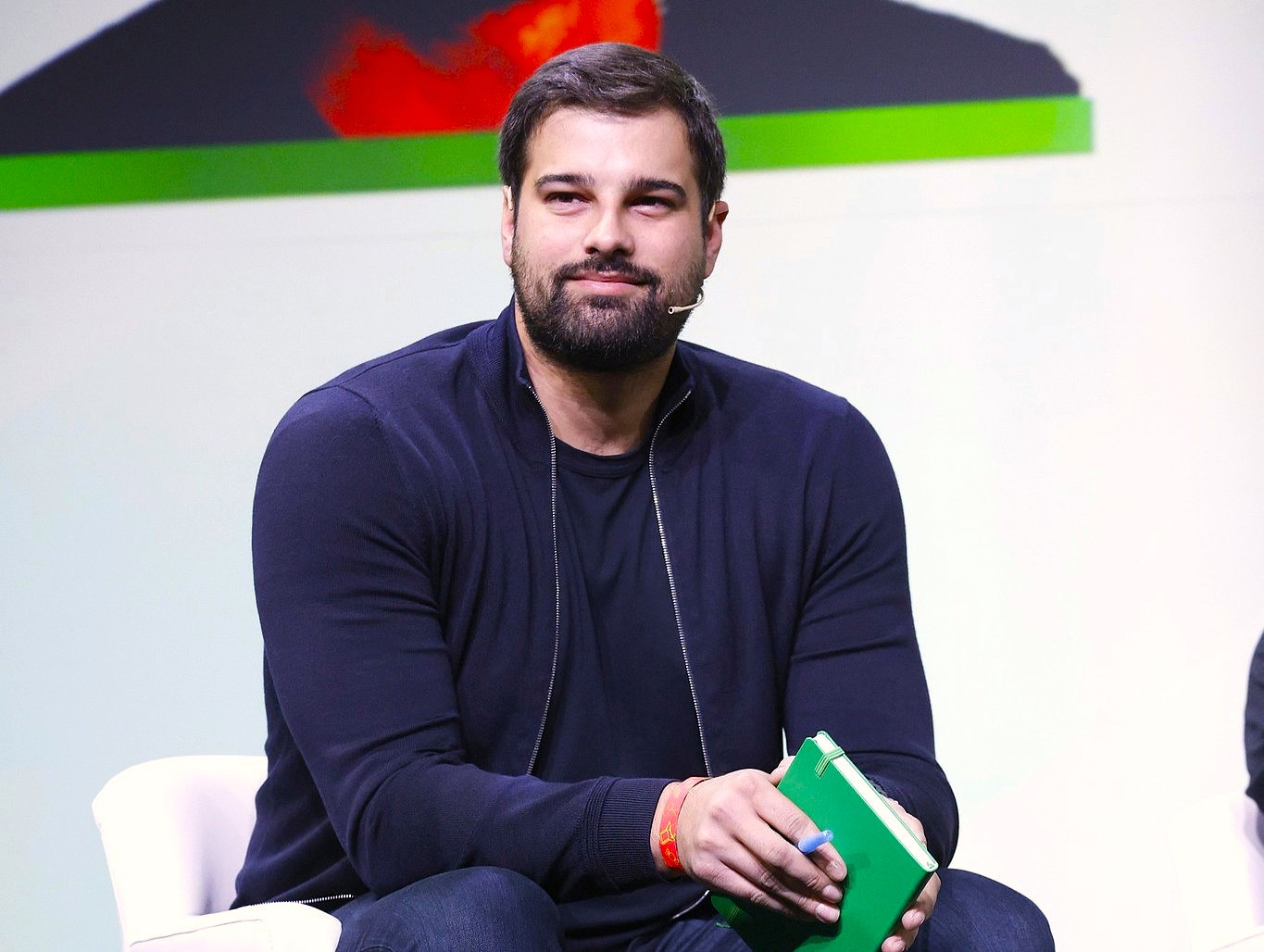
Historically, Microsoft has operated within a highly refined, fiercely guarded corporate ecosystem where upward mobility is earned through years of navigating the labyrinth of Redmond politics. Yet, the brutal, breakneck race for artificial intelligence supremacy has forced the tech giant to tear up its traditional playbook and look outward for salvation. Enter Jacob Andreou, a thirty-three-year-old consumer tech wunderkind whose rapid ascent to Executive Vice President of Copilot signals a massive cultural shift inside the company. Andreou, who was poached from the venture capital firm Greylock Partners after a highly successful tenure at Snap Inc., now commands an army of over eleven thousand Microsoft employees. This massive structural shake-up has sent shockwaves through the veteran corridors of the company, especially as Andreou brings with him a grueling, startup-style work ethic. Reports have emerged of the young executive pushing his teams to work intense, twelve-hour days—a demanding schedule reminiscent of the legendary “crunch times” during the development of Windows NT and Windows 95, yet highly unusual for the modern, modern-day Microsoft. This aggressive approach is designed to close the gap with younger, nimbler AI competitors, but it risks alienation within a corporate culture that has spent decades prioritizing work-life balance and steady internal promotion over disruptive, outsider-led revolutions.
To help navigate this monumental shift and bolster his leadership ranks, Andreou is once again drawing from his past experiences by recruiting fellow Snap and Discord alumnus Peter Sellis. Insiders have confirmed that Sellis is stepping into a vital leadership role overseeing Copilot Design, Growth, and Engineering, reporting directly to Andreou as a key component of the newly minted Copilot Leadership Team. This influx of consumer-centric product talent is a deliberate calculation by Microsoft CEO Satya Nadella, who outlined a sweeping corporate reorganization aimed at solidifying the “Copilot experience.” However, the division represents a massive operational headache: Andreou’s core mandate is to merge Microsoft’s consumer Copilot and enterprise-level Microsoft 365 Copilot into a unified ecosystem. Bridging this gap is far easier said than done, as the two systems are built on entirely different data architectures, security frameworks, and backend technologies. Historically, Microsoft has a notoriously poor track record of uniting its enterprise and consumer products—a failure most clearly evidenced by the massive success of business-focused Microsoft Teams compared to the virtual ghost town that is the free, consumer-oriented version of the same app. Consumer applications require playfulness, simplicity, and lightning-fast growth metrics, whereas enterprise software demands ironclad compliance, predictability, and complex corporate governance, creating an immense friction point for the new leadership team.
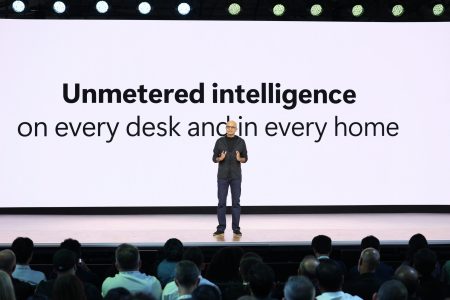
The ultimate goal of this grand, high-stakes restructuring is the creation of a definitive “Super App,” an all-in-one digital assistant designed to serve as the singular gateway for all user activities. Microsoft’s leadership envisions a centralized environment where users never have to leave the Copilot interface, whether they are drafting a casual email, writing complex software code, or orchestrating massive corporate data sets. During his address at the Build developer conference, CEO Satya Nadella painted a vivid picture of this impending reality, promising that by the summer, Microsoft will consolidate coding, everyday conversation, and professional collaboration into a single, cohesive interface. Under this model, the boundaries between various work streams will dissolve entirely, allowing Chat, Cowork, and Code to exist side-by-side. For the user, this means that the core functions of an entire computer operating system could eventually be abstracted away behind a single, conversational command bar. Microsoft hopes this paradigm shift will capture the loyalty of both casual desktop users and massive enterprise clients, effectively turning Copilot into the modern equivalent of the browser or the desktop itself—an indispensable utility that dominates the user’s screen-time and attention throughout the day.
However, Microsoft is far from the only technology titan attempting to capture this lucrative new market, and the race to build the ultimate AI Super App has turned into an existential battleground. OpenAI, Microsoft’s close partner turned fierce competitor, is aggressively working to transform ChatGPT into its own version of a Super App by fusing ChatGPT’s conversational prowess with its advanced Codex coding system, aiming to deliver a seamless personal assistant that can execute complex programming tasks directly within the chat window. Meanwhile, Anthropic is taking a remarkably similar path with Claude, quietly expanding its platform to bundle automated productivity, software development, and workflow automation tools into a unified workspace. This parallel evolution among major AI players highlights a growing industry consensus: conversational AI is no longer just a neat novelty or a search engine replacement; it is the foundation of the next major software ecosystem. For Andreou, this means his team is not just competing against Microsoft’s internal inertia, but also racing against highly focused, natively agile AI startups that do not have decades of legacy software weight dragging down their engineering velocity.
Beyond the design and engineering hurdles, Andreou must also navigate a complex, rapidly evolving technical landscape concerning model selection and cost-efficiency. In an interview, Andreou highlighted that offering users a choice of diverse AI models while maintaining home-grown model excellence is one of his primary objectives. To this end, Microsoft is expanding model choices within its Copilot Cowork feature, moving beyond its reliance on Anthropic and OpenAI to introduce its own proprietary models, including the highly anticipated “Cowork 1.” Industry whispers suggest that Cowork 1 may be built upon Microsoft’s hosted version of the open-source DeepSeek model, representing a major strategic shift toward open-source integration. This focus on proprietary modeling is more than just a branding exercise; it is a vital economic strategy. By debuting seven new in-house models at the Build conference, Microsoft is positioning itself as the champion of cost-effective, token-efficient computing. For massive enterprises that are constantly “token-maxing”—consuming vast amounts of computational power to process millions of document pages—the high cost of proprietary third-party queries can quickly become unsustainable, making affordable, specialized internal models the key to long-term profitability.
As the summer deadline looms, Jacob Andreou faces an incredibly daunting uphill battle to turn these disparate initiatives into a cohesive, user-friendly reality. Currently, Microsoft’s AI strategy is a confusing, fragmented landscape, featuring over two dozen distinct, specialized “Copilot” brands scattered across various semi-autonomous business divisions. This branding chaos has left both everyday consumers and corporate IT administrators feeling utterly overwhelmed by the sheer volume of choices. Furthermore, Microsoft must establish a clear, intuitive directory so users can easily discover and utilize the rapidly expanding universe of first- and third-party AI agents, such as the newly introduced, OpenClaw-based personal assistant named Microsoft Scout. If Andreou’s Super App vision succeeds, it will bring much-needed order to this digital wild west, gracefully unifying Microsoft’s chaotic AI catalog under a single, elegant interface. If it fails, Microsoft risks losing its dominant position in the AI revolution to more agile, focused competitors who can deliver a simpler user experience. Whether this bold gamble on an aggressive, consumer-minded outsider will pay off and revolutionize the tech industry remains to be seen, but the answers will undoubtedly begin to crystallize as this critical summer unfolds.