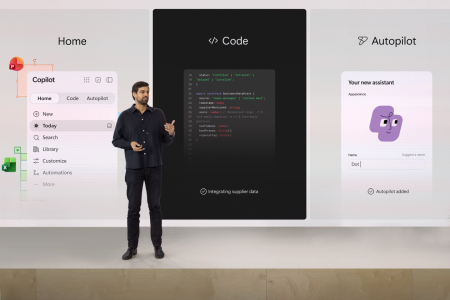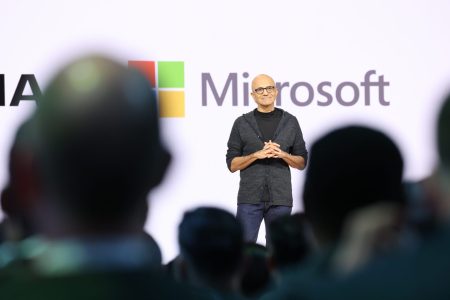






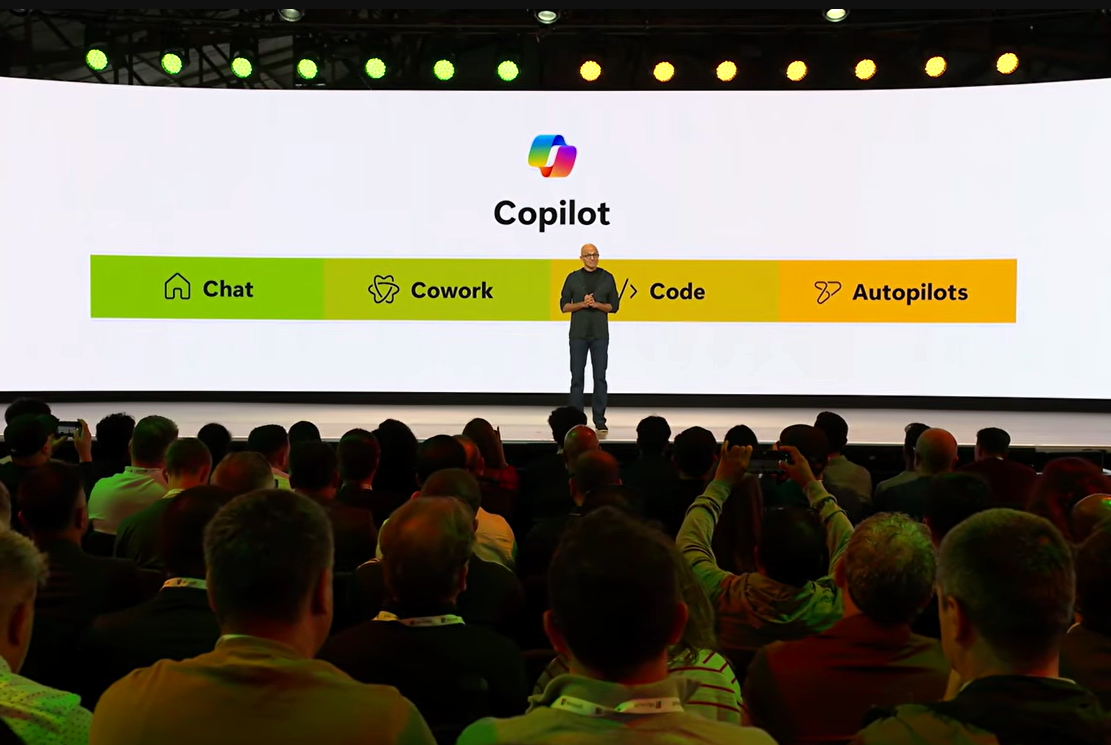
The annual Microsoft Build developer conference has always acted as a barometer for the tech industry’s underlying pressures and strategic ambitions, and the 2026 edition in San Francisco was no exception to this rule. As token-hungry developers packed into the keynote halls, flanked virtually by tech royalty like Nvidia’s CEO Jensen Huang and punctuated by the unexpected, high-energy entertainment of the Chainsmokers, the air was thick with the anticipation of a genuine watershed moment in personal computing. For days leading up to the event, social media feeds, developer forums, and backchannel leak networks had been buzzing with extensive reports of an imminent, game-changing reveal: the long-rumored Copilot “Super App.” This highly anticipated digital workspace was supposed to serve as the unified, definitive shell for Microsoft’s sprawling suite of artificial intelligence tools, finally bringing structural order to what had become an increasingly fractured, confusing product ecosystem. Yet, when the lights went up on the main stage and the keynote unfolded over a grueling three hours, the physical software itself was conspicuously absent from the projection screens, leaving attendees and virtual viewers with a lingering sense of mystery and disappointment. Microsoft CEO Satya Nadella did not entirely ignore the digital elephant in the room, choosing instead to offer a tantalizing, fleeting verbal tease of what lies ahead just over the horizon. He confidently assured the audience that by the summer of 2026, Microsoft would consolidate complex coding and professional knowledge work into a singular, integrated experience, promising that users would soon find Chat, Cowork, and Code unified under one robust roof. Despite this verbal confirmation, the absolute lack of a live, practical demonstration raised immediate questions about the current state of the software and left industry observers trying to piece together the strategic roadmap of a company caught in a historic, high-stakes arms race for generative AI dominance.
To understand why the concept of a Copilot Super App has captured the collective imagination of both industry analysts and daily developers, one must look at the increasingly fragmented state of modern artificial intelligence tools. Today, users are routinely forced to hopscotch across a bewildering array of sandboxed AI environments—using one tool for composing emails, another for debugging software, and yet another for organizing internal corporate databases. The envisioned Super App promises to demolish these digital silos by acting as an all-encompassing terminal that seamlessly blends various dedicated modalities under a single, highly customizable operating window. Users would theoretically be able to toggle effortlessly between a standard conversational chat module, a robust coding workspace powered by GitHub Copilot, a collaborative “Cowork” environment designed specifically for information workers, and a highly autonomous “Autopilot” agent mode capable of running silently in the background of their operating system. Strategically, this move is a survival imperative for Microsoft as it seeks to reclaim and solidify its early-mover advantage. Having captured an early lead in the generative AI market through its massive multibillion-dollar investments in OpenAI and the quick, successful rollout of GitHub Copilot, the Redmond-based tech giant now finds itself facing fierce, relentless competition from highly focused, specialized rivals. The rapid, grassroots rise of Anthropic’s Claude Code and the evolving autonomous capabilities of OpenAI’s independent developer tools have threatened to chip away at Microsoft’s developer base. By assembling a unified Super App, Microsoft hopes to build an ironclad digital hub that keeps both casual prosumers and heavy-duty enterprise programmers firmly anchored within its proprietary cloud ecosystem, offering a streamlined, frictionless workflow that no single-point competitor can easily duplicate.
Yet, transforming this ambitious, multi-faceted vision into a cohesive digital product is an engineering and organizational challenge of historic proportions, which is why all eyes are currently focused on Jacob Andreou. Recently appointed as the Executive Vice President of Copilot, Andreou has been thrust directly into the corporate hot seat, reporting straight to Satya Nadella as part of an elite, streamlined leadership circle that effectively bypassed the long-established hierarchy of the Experiences and Devices division, formerly headed by veteran executive Rajesh Jha. Andreou represents a fascinating, highly unconventional choice for a legacy enterprise giant like Microsoft; operating out of Los Angeles, he joined the company only a year and a half ago after highly successful, consumer-focused stints at Snap and the venture capital firm Greylock Partners. His mandate is as clear as it is daunting: he must reconcile, trim, and unify a product lineup that Microsoft originally tried to market as a single, harmonious brand, but which in reality remained deeply segregated by different data repositories, inconsistent user interfaces, and varying levels of administrative control. In recent months, corporate officials had openly acknowledged this friction, retreating to explicitly distinguish between consumer-grade Copilot, the specialized GitHub Copilot, and the business-centric Microsoft 365 Copilot as separate offerings. However, the winds of corporate strategy have shifted once again, and Andreou’s team is now steering the company back toward a singular, unified brand identity across both consumer and enterprise lines. The scale of this task cannot be overstated, as they must somehow satisfy the fast-paced, intuitive UI expectations of everyday consumer apps, such as their recent Copilot design shake-up which widened prompt boxes for speedier results, while simultaneously supporting the rigid security, compliance, and enterprise-grade infrastructure that Microsoft’s traditional business client base expects.
While the overarching Super App remained hidden in the shadows during the Build keynote, Microsoft did use the San San Francisco stage to shine a bright spotlight on some of the core underlying components that will eventually populate this ecosystem, most notably a groundbreaking personal agent for work code-named “Scout.” Operating on the open-source OpenClaw framework, Scout represents the vanguard of what Microsoft is officially classifying as “Autopilots”—a new generation of always-on, proactive digital agents that go far beyond the reactive, prompt-and-response dynamics of traditional chatbots. Powered by a highly context-aware internal layer known as WorkIQ, Scout has the unique capability to sift through an employee’s professional history across Microsoft Teams messages, Outlook emails, and decentralized SharePoint directories. It is designed to operate autonomously in the background, proactively organizing prep materials for upcoming meetings, identifying and self-correcting calendar schedule conflicts, and coordinating background tasks without requiring constant human intervention or explicit step-by-step instructions. Formerly restricted to absolute secrecy as an internal “skunkworks” project led by Corporate Vice President Omar Shahine, Scout has finally transitioned into the hands of real-world testers via Microsoft’s “Frontier” vanguard program. The launch of Scout carries significant weight, as the development team has spent months carefully engineering strict behavioral guardrails around the OpenClaw framework to address the profound security, compliance, and privacy anxieties that have kept major enterprise organizations hesitant to adopt autonomous systems. By field-testing Scout under the Autopilot banner, Microsoft is attempting to normalize the idea of a digital co-worker that never sleeps, preparing the commercial market for the deeper, systemic integration that will eventually form the backbone of the upcoming Super App experience.
This brings us back to the persistent question that lingered in the minds of anyone who sat through the exhausting three-hour marathon of the Build opening keynote: why did Microsoft choose to withhold a public demo of the actual Copilot Super App? On one hand, it is entirely possible that Redmond’s leadership simply suffered from an embarrassment of riches, fearing that showcasing a highly complex, theoretical ecosystem workspace would overshadow the dozens of other immediate developer-focused announcements made during the event. Alternatively, they might be strategically pacing their announcements, waiting for crucial underlying operating system integrations—such as the highly anticipated “Ask Copilot” taskbar feature in Windows 11—to fully mature before revealing the grand design. However, seasoned industry observers cannot help but wonder if the Super App was simply not stable enough to survive the brutal scrutiny of a live, global broadcast. Microsoft has historically demonstrated a profound willingness to rush incomplete concepts to the public arena, sometimes relying on “creatively architected” simulation demos that gloss over significant technical gaps behind the scenes—a legacy that stretches back to the infamous, over-promised early showcases of Windows Longhorn decades ago. Given how rapidly the company is moving today, pushing Scout from private testing to public preview in a matter of months, the standard of holding back products until they are flawlessly polished and entirely stable appears to have been downgraded in favor of sheer competitive speed. By keeping the Super App tightly under wraps for just a little longer, Microsoft may be trying to avoid committing to layout designs and systemic parameters that are still undergoing erratic, day-by-day revisions in their development labs.
The fundamental tension at the heart of Microsoft’s current AI sprint is whether this hyper-accelerated developmental cycle will ultimately capture the market or alienate the very corporate clientele that funds the company’s continuous growth. The sheer velocity at which the software giant is transitioning from highly experimental, internal alpha builds to public, corporate-facing previews is virtually unprecedented in the enterprise software world. Large corporations and multinational institutions operate on foundations built upon absolute predictability, meticulous regulatory compliance, rigid data-residency guarantees, and robust security protocols that cannot tolerate the erratic, unpredictable behavior of developing AI software. For these enterprise clients, an always-on, semi-autonomous agent that scans emails and modifies calendars internally is not just an efficiency booster; it is a potential liability and a data-leak risk that requires months of exhaustive internal auditing before deployment. If Microsoft pushes its unified Copilot Super App out to the public before these enterprise-grade guardrails are corporate-ready and thoroughly battle-tested, it risks triggering a major backlash from CIOs and security administrators who prefer slow, stable increments over flashy, rapid-fire releases. As the promised summer launch window rapidly approaches, the tech world will be watching closely to see if Microsoft can perform the ultimate corporate balancing act: delivering a revolutionary, unified consumer-grade artificial intelligence experience without compromising the trusted, sterile security boundaries that have made them the undisputed backbone of global business for half a century.