







Imagine stepping back into the world of space exploration dreams back in 2000, when Jeff Bezos, the tech titan who built Amazon into an empire, quietly founded Blue Origin as a personal passion project. For over two decades, Bezos fueled this ambitious venture by dipping into his Amazon wealth, selling chunks of stock to pour billions into turning science fiction into reality. It’s like watching a billionaire play a long game of chess, betting on humanity’s future among the stars. But now, as Blue Origin stands on the brink of scaling up, whispers are circulating that those personal funds might not be enough anymore.
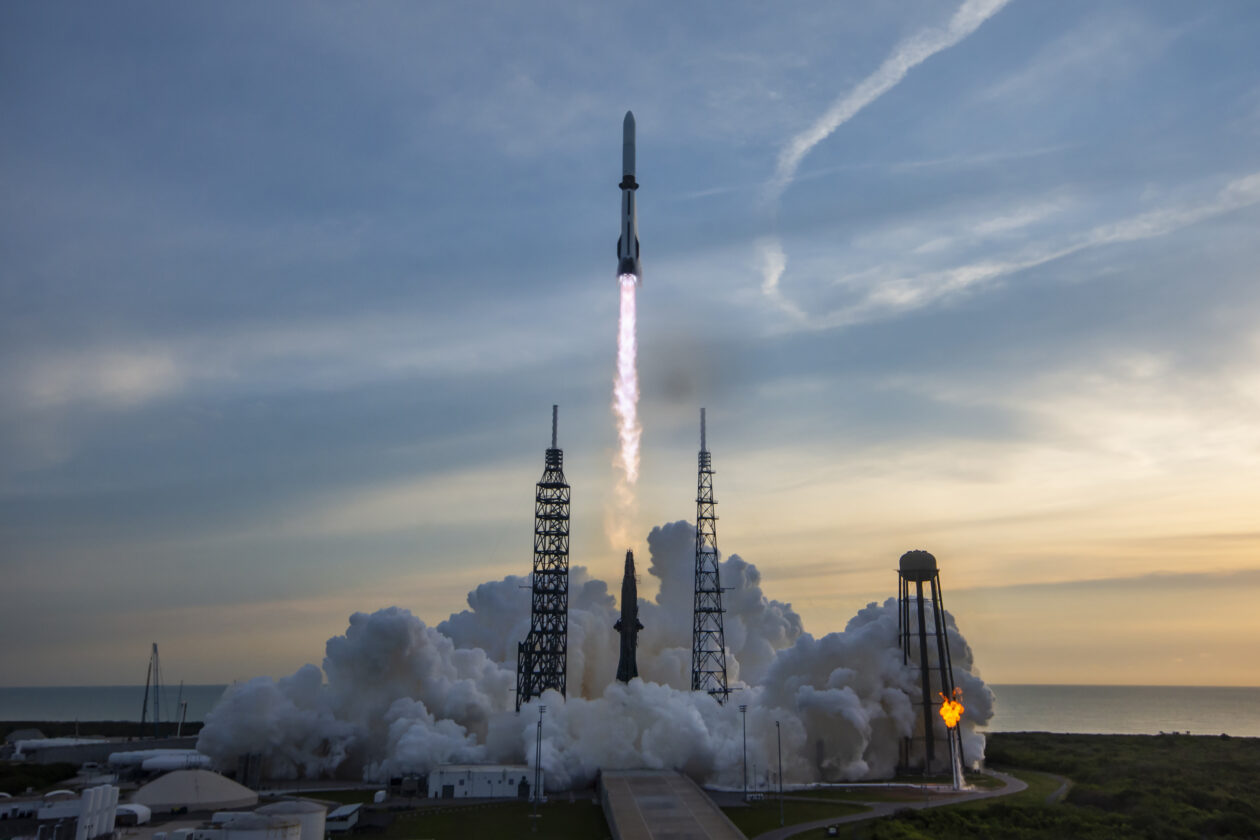
Fast-forward to January 2025, and Blue Origin achieved a major milestone: the maiden launch of its massive New Glenn rocket from a sunny spot in Florida. This beast of a launcher, capable of carrying heavy payloads to space, is designed to rival the giants like SpaceX’s Falcon Heavy. Two more flights followed, testing the waters of commercial space ventures. Yet, the most recent one in April hit a snag—it failed to stick the landing in the right orbit, stranding payloads and forcing a_TIMEOUT_ on operations. Blue Origin is now under the FAA’s watchful eye, conducting a thorough probe to iron out the kinks, all while the world eagerly watches this sophomore effort in the rocket ballet under the skies.
Bezos has long painted a picture of self-reliance for Blue Origin. In interviews back in 2017, he sketched out his strategy: liquidate about a billion dollars’ worth of Amazon shares yearly to bankroll the space dreams. This steady stream has been bolstered by real revenues—folk flying suborbital joyrides on New Shepard capsules, scientists running experiments, commercial satellites hitching rides, and even government gigs from NASA. A standout? That juicy $3.4 billion contract to craft a lunar lander for Artemis missions, a vote of confidence from Uncle Sam to push the envelope of crewed lunar exploration.
But building rockets isn’t cheap. Blue Origin’s Florida pad—a hub of innovation with gleaming manufacturing bays and launch towers—demands hefty capital injections to expand its horizons. Think of it as renovating a sprawling garage band studio into a symphony hall: the costs spiral with every upgraded tool and bigger stage. And then there’s the talent war. SpaceX, led by Elon Musk, is eyeing a blockbuster IPO that could value the company at over $200 trillion, drawing the brightest engineers and visionaries with stock options and moonshot promises. Blue Origin isn’t sitting idle; it’s competitive, yet the financial pressures are mounting as launch cadences ramp up.
Enter the buzz from inside Blue Origin. According to a Financial Times scoop sourced from attendees of a recent company-wide huddle, CEO Dave Limp cracked open the door on external funding. For the first time, the company founded on Bezos’ personal fortune is pondering bids from outside investors to fuel aggressive plans—like aiming for a dozen New Glenn launches this year and scaling to 100 annually down the line. It’s a pivotal shift, like a family business deciding to go public to accelerate growth. Limp, fielding questions about employee perks, didn’t outright dismiss an IPO, leaving the door ajar for that transformative leap.
As Blue Origin scrubs the glitches from its latest launch and eyes the stars, this potential foray into outside capital feels like a rite of passage. After 26 years of bootstrapping, it’s time to blend Bezos’ visionary fire with broader backing to keep pace in the cutthroat space race. The company’s story is one of innovative spirit meeting practical realities, reminding us that even billionaires face the cosmic cost of dreams.