



In the world of biotechnology, the path from groundbreaking idea to life-saving medicine is rarely a straight line. It’s a journey filled with immense promise, staggering financial investments, and, sometimes, unexpected detours. Such is the story of a massive, state-of-the-art facility in Everett, Washington, a building that sat silent and unfinished for years after its original purpose was swept away by a corporate merger. Now, that silence is finally coming to an end. A real estate firm has given this modern white elephant a second chance, securing a long-term tenant and breathing new life into a structure that represents millions of dollars in sunk costs and a whole lot of unrealized potential. The deal marks a significant turning point for the region’s life sciences sector and offers a fascinating glimpse into how the industry adapts when plans go awry.
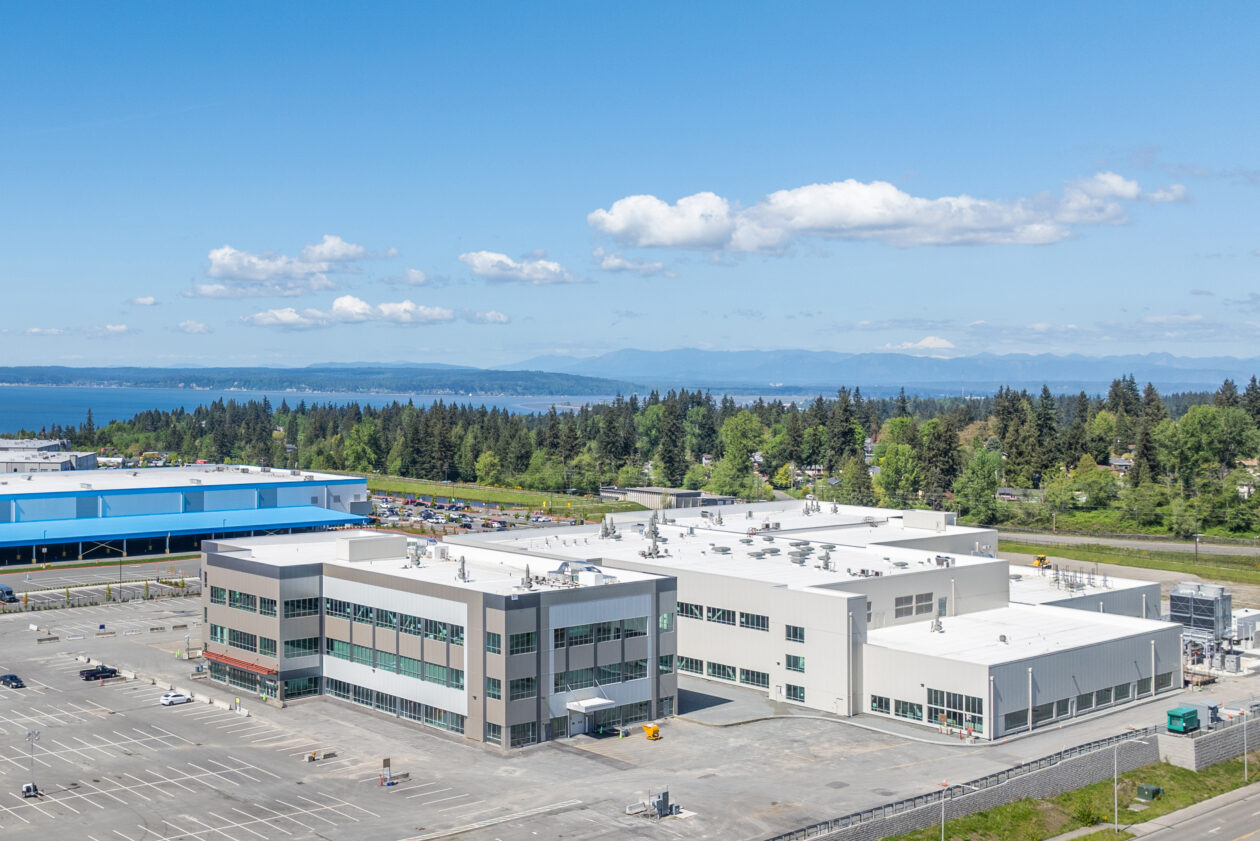
The story begins with Seagen, a Seattle-based biotech pioneer that was once a shining star in the field of cancer treatment. The company poured a monumental amount of money—roughly $350 million—into constructing a 270,000-square-foot facility in Everett, located about 25 miles north of Seattle along the I-5 corridor. This wasn’t just any building; it was designed to be a cutting-edge manufacturing plant, complete with specialized labs for quality control and the sophisticated infrastructure needed to produce the complex antibody-drug conjugates that Seagen was famous for. The plan was ambitious and forward-looking, intended to give the company its own dedicated hub for producing the next generation of cancer therapies. Construction was well underway, with the skeleton of the facility rising from the ground, poised to become a cornerstone of the local biotech economy and a source of hundreds of high-paying jobs. It was a testament to Seagen’s growth and a bold bet on the future of targeted oncology treatments.
However, in the fast-paced world of pharmaceutical development, corporate strategy can change overnight. In late 2023, Pfizer, the global pharmaceutical giant, completed its acquisition of Seagen in a deal valued at a staggering $43 billion. This was a landmark transaction, solidifying Pfizer’s entry into the lucrative and rapidly expanding field of antibody-drug conjugates. But with great acquisitions come great consolidations. As Pfizer integrated Seagen’s operations into its own vast global network, it began a comprehensive review of its manufacturing assets. The company already possessed a huge network of production facilities around the world. In 2024, Pfizer made the difficult call: the unfinished Everett facility no longer fit into its long-term strategic plans. In a statement to GeekWire, a company representative explained, “Pfizer regularly evaluates our manufacturing network to ensure capacity is effectively utilized based on projected product demands. After careful evaluation, we have made the difficult decision to wind down construction of the site.” With that, the half-built facility was put on the market, leaving behind a question mark for the community and the industry.
Enter Breakthrough Properties, a real estate investment firm that specializes specifically in life sciences buildings. Seeing an opportunity where others might have seen a liability, Breakthrough Properties acquired the property for $78 million. This price, a fraction of what Seagen had originally invested, reflected the building’s unfinished state and the complexities of finding a new tenant for such a specialized asset. But Breakthrough Properties saw the immense value in the location and the building’s fundamental design. The facility had been built to pharmaceutical-grade standards, with high ceilings, advanced HVAC systems, and robust utility infrastructure—features that are incredibly expensive and time-consuming to build from scratch. By purchasing it, Breakthrough could offer a turnkey solution to a biotech or pharma company looking to establish a manufacturing presence in the Pacific Northwest without waiting years for construction. The gamble was that the intrinsic value of the specialized shell would attract a major player. And it did.
The gamble paid off. Breakthrough Properties announced that it had successfully leased the entire 270,000-square-foot campus to an as-yet-unnamed global biopharmaceutical company. The lease is not a short-term arrangement; it’s a massive 21-year commitment, signaling a long-term, strategic investment by the new tenant. While the company’s name remains a closely guarded secret, the sheer duration and size of the lease suggest a major player with serious manufacturing needs. This deal is more than just a real estate transaction; it’s a resurrection. What was once a cautionary tale about corporate consolidation and abandoned plans has become a story of resilience and adaptability. The building will now be completed and fitted out to meet the needs of its new occupant, creating jobs, stimulating the local economy, and restoring the promise that this piece of land would one day be a hub for producing medicines that could change patients’ lives.
This acquisition and lease deal is also a harbinger of broader trends in the pharmaceutical industry. The timing is no coincidence. In the wake of the COVID-19 pandemic, which exposed significant vulnerabilities in global supply chains, there has been a massive push by pharmaceutical companies to reshore and strengthen their domestic manufacturing capabilities. Breakthrough Properties accurately points out that major drugmakers have announced more than $600 billion in commitments to expand production within the United States. The Everett facility is now a perfect piece of infrastructure to support that trend. Instead of building a new facility from the ground up, a process that can take five or more years and billions of dollars, a company can move into this existing shell, accelerate its timeline, and get its products to market much faster. It’s a win-win: the pharmaceutical company saves time and money, and the local community gets a revitalized industrial anchor.
Looking ahead, the success of this deal could have a ripple effect across the entire Puget Sound region. For Breakthrough Properties, this represents their first investment in the area, and their ability to quickly secure a major tenant bodes well for future projects. It also demonstrates that the Pacific Northwest remains a highly attractive location for the life sciences industry, despite the recent turbulence in the biotech market. The building itself, once a symbol of arrested progress, is about to become a hive of activity, filled with scientists, engineers, and production specialists. While the identity of the mystery tenant will likely be revealed in the coming months, the impact is already being felt. The story of the Seagen facility is a powerful reminder that in business, and in science, setbacks are often just setups for a comeback. A $350 million dream didn’t die when Pfizer walked away; it was simply waiting for the right partner to help it finally come to life.