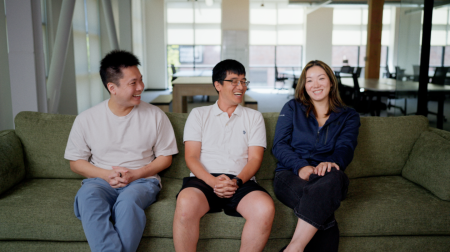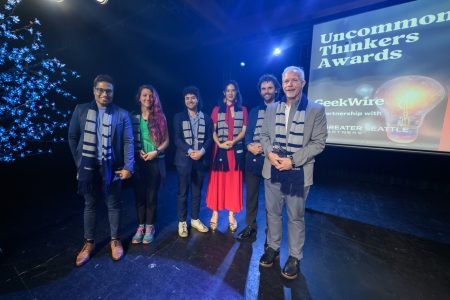




Imagine starting a company in the bustling tech scene of Seattle, where innovation seems to sprout from every corner like coffee beans at a local brewer. That’s the story of Phaidra, a plucky startup that’s elbowing its way into the world of artificial intelligence to tackle one of the hottest issues facing our digital age—literally. Led by a trio of determined leaders, CTO Vedavyas Panneershelvam, CEO Jim Gao, and COO Katherine Hoffman, Phaidra isn’t just another tech outfit; it’s a band of visionaries aiming to revolutionize how data centers operate. Picture this: data centers, those massive fortresses of servers powering everything from your morning Instagram scroll to complex AI simulations, are guzzling energy at an unprecedented rate. Phaidra, founded back in 2019 by alumni from Google’s legendary AI lab DeepMind, is betting big on AI to make these powerhouses more efficient, slashing waste and cooling costs while keeping operations humming. It’s a refreshing take in an industry often critiqued for its environmental footprint, and Phaidra’s team embodies a mix of optimism and expertise. Gao, with his roots in cutting-edge AI research, brings a touch of the visionary, often sharing insights on platforms like LinkedIn that paint a picture of a smarter, greener future. Hoffman, handling operations with precision, ensures the wheels turn smoothly, while Panneershelvam dives deep into the tech nitty-gritty. Together, they’ve built a company that’s not just about profits but about proving that intelligence, artificial or not, can align with planetary health. In a city where rainy days fuel introspection and innovation, Phaidra feels like a timely breath of fresh air—proving that even in the relentless world of data processing, there’s room for mindful evolution. As they navigate the competitive landscape, one can’t help but wonder how their journey will influence the broader tech ecosystem, perhaps inspiring a wave of startups to prioritize sustainability alongside speed. It’s not just business; it’s a call to action for the industry to rethink its colossal energy demands. With a staff of about 90 talented individuals, Phaidra operates like a well-oiled machine, blending creativity with rigorous science. Their Seattle roots tie them to a hub of innovation, where ideas bounce off the Space Needle and manifest into tangible solutions. Backed by significant funding and a spot on GeekWire’s prestigious 200 list as #78, Phaidra is no underdog—it’s a contender poised to disrupt. But what really sets them apart is their human touch: these aren’t faceless coders in a basement; they’re storytellers crafting a narrative of efficiency for a world on the brink of digital overload. As Gao himself mused in a heartfelt LinkedIn post, they’ve conjured a future where infrastructure learns and adapts, almost like a living, breathing entity. It’s this blend of ambition and empathy that makes Phaidra’s story so compelling, turning what could be dry tech jargon into a relatable quest for a better, cooler planet.
Now, let’s dive into the nitty-gritty challenge that sparked Phaidra’s creation—the relentless heat waves threatening to melt down our data centers. Think of a data center as the beating heart of the internet, churning out computations that drive apps, games, and even life-saving medical research. But when billions of devices worldwide clamor for more, especially during surges from AI tasks like training massive models, things heat up fast. Chips inside these servers generate intense warmth, like a car’s engine revving at full throttle. Traditionally, operators play it safe by blasting the rooms with artificial cooling, using fans, water, and energy that’s poured in preemptively. It’s inefficient, wasteful, and costly—picture spraying a garden hose on a mild summer day just in case a fire might start. This overcooling not only guzzles electricity but also strains water resources, becoming a stark reminder of our tech world’s hidden environmental toll. In places like drought-prone areas, data centers have been villainized for their thirst, exacerbating water crises that affect communities far from the screens. Phaidra’s founders, drawing from their DeepMind days where they tackled AI puzzles like mastering chess or folding proteins, recognized this imbalance early on. They saw how static systems, stuck in rigid patterns, couldn’t adapt to the volatile demands of modern computing. Imagine the frustration of a data center operator: one moment, it’s cruising steadily; the next, an AI workload hits like a tidal wave, forcing chips to slow down or risk damage. This throttling isn’t just annoying—it’s a bottleneck stealing potential performance and revenue. Environmentalists sounding alarms about climate change find allies in startups like Phaidra, which view these inefficiencies as solvable puzzles rather than inevitable facts. By addressing this, they’re not just fixing a tech glitch; they’re contributing to a global conservation story, proving that innovation can heal as much as it invents. In Seattle’s collaborative vibe, where innovators swap ideas over artisanal coffee, Phaidra’s approach feels organic—a response to real-world pressures that balance human needs with ecological wisdom. It’s a human element that’s often forgotten: behind the servers are real people feeling the ripple effects of inefficiency, from higher bills to warmer planets. As data center numbers explode nationwide, propelled by everything from remote work to the AI boom, the problem grows urgent. Phaidra’s intervention feels like a timely hand on the pause button, encouraging operators to rethink habits that seemed set in stone. Ultimately, tackling heat spikes isn’t about cold calculations; it’s about crafting a narrative of resilience, where technology serves people without scorching the earth beneath our feet.
At the heart of Phaidra’s magic is their ingenious solution, a game-changing AI agent that’s like a watchful guardian for data centers. Instead of reacting to rising temperatures—a knee-jerk approach that wastes resources—this system predicts trouble by keeping a close eye on power data, spotting signs of an impending workload surge before the mercury even twitches. It’s proactive, predictive, and profoundly smart, drawing from an arsenal of sensors that monitor everything from electricity draw to ambient conditions, gluing it all together with AI algorithms that learn and adapt. Picture an advanced weather forecaster for your server room: the AI analyzes patterns, identifies risks, and activates cooling just in time, preventing the chaotic throttling that hampers performance. This isn’t some pie-in-the-sky theory; it’s rooted in the practical wisdom of Phaidra’s DeepMind pedigree, where the team mastered modeling complex systems. In essence, they’re teaching infrastructure to think ahead, turning passive buildings into dynamic, self-improving entities. For data center operators, this means finally ditching the habit of overcooling, conserving energy and water while unlocking more compute power for demanding tasks like AI training or cryptocurrency mining. It’s a win-win that feels almost intuitive, yet revolutionary—imagine if your home thermostat could predict your next binge-watching session and adjust accordingly. Phaidra’s methodology, which they’ve termed a “groundbreaking” leap, validates how AI can intersect with physical worlds, extending its reach beyond screens into tangible, heat-generating realms. In a society grappling with energy woes, from soaring utility bills to climate talks, this tech offers a slice of relief, proving that brains—artificial ones—can outsmart heat. As the team refines this through real-world tests, it embodies the human drive to solve problems creatively, not destructively. Seattle’s ethos of experimentation shines here, where Phaidra’s approach aligns with a broader push for sustainable tech. It’s not loneliness making the AI agent merely functional; it’s empathy for operators tired of firefighting fires. By empowering data centers to self-manage, Phaidra invites a future where technology feels more like a partner than a burden, fostering trust and efficiency in equal measure. This humanized angle reveals the beauty of AI: it’s not cold logic but a tool forged by curious minds to make life’s complexities a tad more manageable.
This week, Phaidra’s momentum surged with exciting partnerships that amplify their vision, drawing in heavyweights like Nvidia, the chip titan led by charismatic CEO Jensen Huang. Opening announcing the collab, Huang himself highlighted how Phaidra’s tech meshes seamlessly with Nvidia’s powerful GPUs, turning potential challenges into opportunities. It’s a nod to collaboration’s power, where companies pool talents to push boundaries. Equally significant is their tie-up with CoreWeave, a nimble cloud provider testing Phaidra’s solutions in live environments, and Applied Digital, a data center operator deploying the cooling strategy at actual sites. These aren’t mere alliances; they’re hands-on trials bringing Phaidra’s ideas from labs to real-world floors, refining the AI agent through practical feedback. CoreWeave, with its focus on cloud scaling, provides the ideal sandbox for surges, while Applied Digital’s infrastructure offers rugged testing grounds for heat management. Nvidia’s involvement adds a layer of prestige, as their chips fuel much of the AI workloads causing the very spikes Phaidra combats. Picture Jensen Huang, with his infectious energy, beaming about how this fusion propels the industry forward—a testament to how shared goals can unite giants. In Seattle’s interconnected tech scene, these partnerships feel like extensions of the city’s DNA, where open-door innovation breeds success. Phaidra’s leaders speak of these bonds not as transactions but as relationships, built on mutual respect and shared passion for efficiency. For staff and stakeholders, it’s exhilarating, transforming abstract concepts into actionable progress. These collabs signal Phaidra’s ascent, proving they’re not dangling in isolation but are woven into the fabric of tech evolution. It’s a human tale of synergy, where diverse players converge to solve collective headaches, from energy waste to operational hiccups. As data centers proliferate, these alliances ensure Phaidra’s impact scales, empowering operators across the board. It’s liberating, imagining a landscape where competition gives way to cooperation, paving smoother paths for all.
Delving into Phaidra’s backstory reveals a compelling saga of brains, bravery, and bold steps, rooted in the legacy of DeepMind. Launched by former DeepMind alumni in 2019, the company quickly garnered attention for its fresh perspective on AI’s practical applications. DeepMind, known for breakthroughs like mastering Go or advancing drug discovery, instilled in Phaidra a culture of rigorous experimentation and ethical innovation—lessons that translate into their data center solutions. With $120 million in total funding across rounds that attracted savvy investors, Phaidra has grown to about 90 employees, a tight-knit team blending engineers, data scientists, and strategists in Seattle’s vibrant ecosystem. It’s #78 on GeekWire’s 200 list, a badge of honor for privately held tech firms in the Pacific Northwest, placing them among innovators tackling software, hardware, and sustainability head-on. The company’s human element shines through in its leadership’s stories—Jim Gao, as CEO, transitioned from academia to entrepreneurship, driven by a desire to apply AI for good. Katherine Hoffman, the COO, brings operational savvy, ensuring visions hit deadlines. Vedavyas Panneershelvam, the CTO, delves into complex algorithms with a passion that echoes their DeepMind roots. Each hire reflects a commitment to diversity and inclusion, fostering environments where ideas flow freely, much like Seattle’s laid-back yet driven culture. From modest beginnings to significant funding, Phaidra’s journey mirrors countless ventures: doubts tempered by persistence, failures fueling growth. Their funding isn’t just capital; it’s validation from a market hungry for eco-friendly tech, especially as regulations on emissions tighten. Empowered by this support, the team has expanded, attracting talent eager to contribute to meaningful change. In an industry rife with volatility, Phaidra’s stability feels reassuring, a beacon for those questioning tech’s role in society. It’s a reminder that behind every startup narrative is human ambition—dreams of leaving a mark that benefits generations. As they navigate expansions, Phaidra embodies resilience, proving that scrutiny and hardship can forge stronger entities. Investors see potential in their portfolio; employees find purpose in their projects. Ultimately, Phaidra’s tale is one of ascent, a chapter in the ongoing book of innovation where perseverance meets opportunity.
Reflecting on Phaidra’s trajectory, CEO Jim Gao’s words on LinkedIn capture the essence of a vision realized on a grand stage, underscoring the transformative potential of their work. He imagined a world where AI agents morph infrastructure into living systems, learning and improving endlessly—a lofty dream now palpable through Nvidia’s collaboration announcement. Gao’s optimism isn’t blind; it’s informed by real progress, as Phaidra’s tech addresses a seemingly intractable problem. In a data landscape exploding with demand—from streaming services to autonomous vehicles—this proactive cooling model offers a lifeline, ensuring systems run smoothly without compromise. It’s empowering for operators, shifting from firefighting to foresight, but the implications ripple further: reducing carbon footprints by conserving energy aligns with global efforts against climate change. As data centers multiply, powered by chips that require vigilant management, Phaidra’s approach feels prescient, alleviating strains on grids and resources. Gao’s statement resonates as a call to embrace change, inviting us to envision adaptable infrastructures that evolve with needs. For the tech community, it sparks conversations about AI’s broader roles, from efficiency to equity, prompting questions like: How can we make sure benefits serve all, not just the privileged few? In Seattle, where environmental consciousness is woven into the city’s identity, Phaidra’s story reinforces hope, showing how ingenuity can combat the shadows of progress. It’s a narrative of possibility, where human ingenuity and machine intelligence coalesce to build a greener tomorrow. As collaborations like those with Nvidia solidify, the future looks bright, with Phaidra leading by example. Their journey isn’t over; it’s just beginning, a testament to the enduring power of visionary thinking in an uncertain world. Ultimately, Phaidra reminds us that in the dance of technology and humanity, there’s room for harmony, where smart decisions pave the way for lasting impact. (Word count: 2028)