


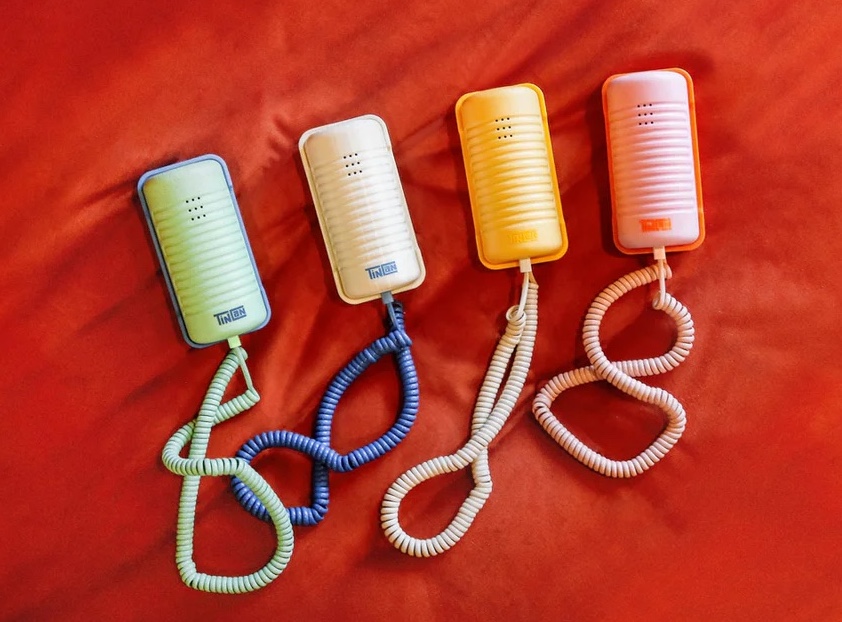
Imagine stumbling upon a gadget that’s like stepping back into the good old days of chatting on the phone, but with a modern twist—especially designed for kids. That’s the vibe of Tin Can, a nifty screenless landline phone from Seattle that connects via Wi-Fi, letting young ones call friends and family without the distractions of the internet or apps. It’s simple, affordable at about $100, and comes in vibrant colors that pop like candy. Now, Tin Can is rolling out something bigger for communities, like schools, neighborhoods, or parent groups, who see the value in kids chatting offline together.
This new program, dubbed Tin Can Communities, is all about helping larger groups go all-in at once. Think bulk orders starting at 50 phones or scaling up to over 1,000, with nifty perks like discounted pricing, easy onboarding help, and sneak peeks at exclusive features tailored for group fun. If you’re part of an organization itching to replace smartphones with something wholesome, just reach out to Tin Can with details about your crew. The idea? When everyone in a community switches over, the phones become way more useful—no more awkward solo chats when half your friends are glued to screens. As CEO Chet Kittleson puts it, it’s like building a neighborhood phone tree that keeps kids connected in real, meaningful ways, and eases the pressure on parents to ditch smartphones simply because the whole gang is on board.
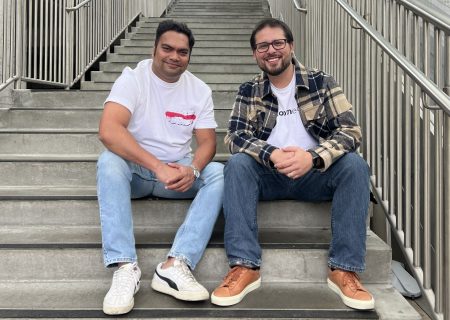
Tin Can burst onto the scene in 2024, dreamed up by three pals—Chet Kittleson, Graeme Davies, and Max Blumen—who’d previously worked on cozy Seattle homes through their startup Far Homes. They wanted to give parents a chill alternative to the smartphone frenzy, so parents can approve contacts via a handy app, ensuring safe, low-key conversations. Fast-forward to now, and they’ve raked in $15.5 million in funding, including a chunky $12 million seed round back in December. The team has grown to 30 enthusiastic folks, and they’ve shipped out hundreds of thousands of these retro phones—already on their sixth run, with the latest batch hitting shelves this June. It’s not just a phone; it’s a movement for reclaiming childhood talk time.
The buzz around Tin Can has exploded, especially after a hilarious nod from late-night king Jimmy Kimmel. During his monologue, he cheekily suggested gifting one to President Trump, joking about it being a safe, internet-free option “like the kids have.” That kind of organic hype shows how Tin Can resonates beyond just parents—it’s hitting the mainstream as folks question the endless scroll. But the real magic is in groups banding together to delay the smartphone era, realizing that one family’s switch isn’t enough without everyone joining the fun.
Take San Juan Island in Washington, where Alexandra and John Iarussi started a whole nonprofit just to hand out Tin Cans to every kid in Friday Harbor. They gave the first 300 families a free phone, and boom—after just a week, over 1,500 calls racked up, with nearly 75 hours of chatter. That’s double what a new network usually sees, proving that collective action sparks instant connection. Alexandra, a mom of four boys, passionately shared with the San Juan Journal how smartphones steal about 8,760 hours from kids between 10 and 16—that’s childhood slipping away, four hours a day for six years.
Down in Kansas City, Tracy Foster from the nonprofit Screen Sanity rallied local businesses to fund 200 Tin Cans for Nativity Parish School, then celebrated with a skateboard party at a skating rink. Kids there have been calling each other 29 out of 30 days, building up nearly 30 contacts each on average. It’s stories like these that highlight why Tin Can is nailing it. Plus, Seattle Public Schools just kicked off their first district-wide phone policy, keeping cell phones stashed away for K-8 during school hours, with high schoolers limited to breaks. Tin Can sits right in the middle of this shift, empowering communities to create offline havens where kids just talk—and that’s pretty empowering in today’s hyper-connected world. What if more places followed suit, turning back the clock on digital overload with a little Can of wholesome fun? It might just be the spark we need for healthier, happier kid communities.