



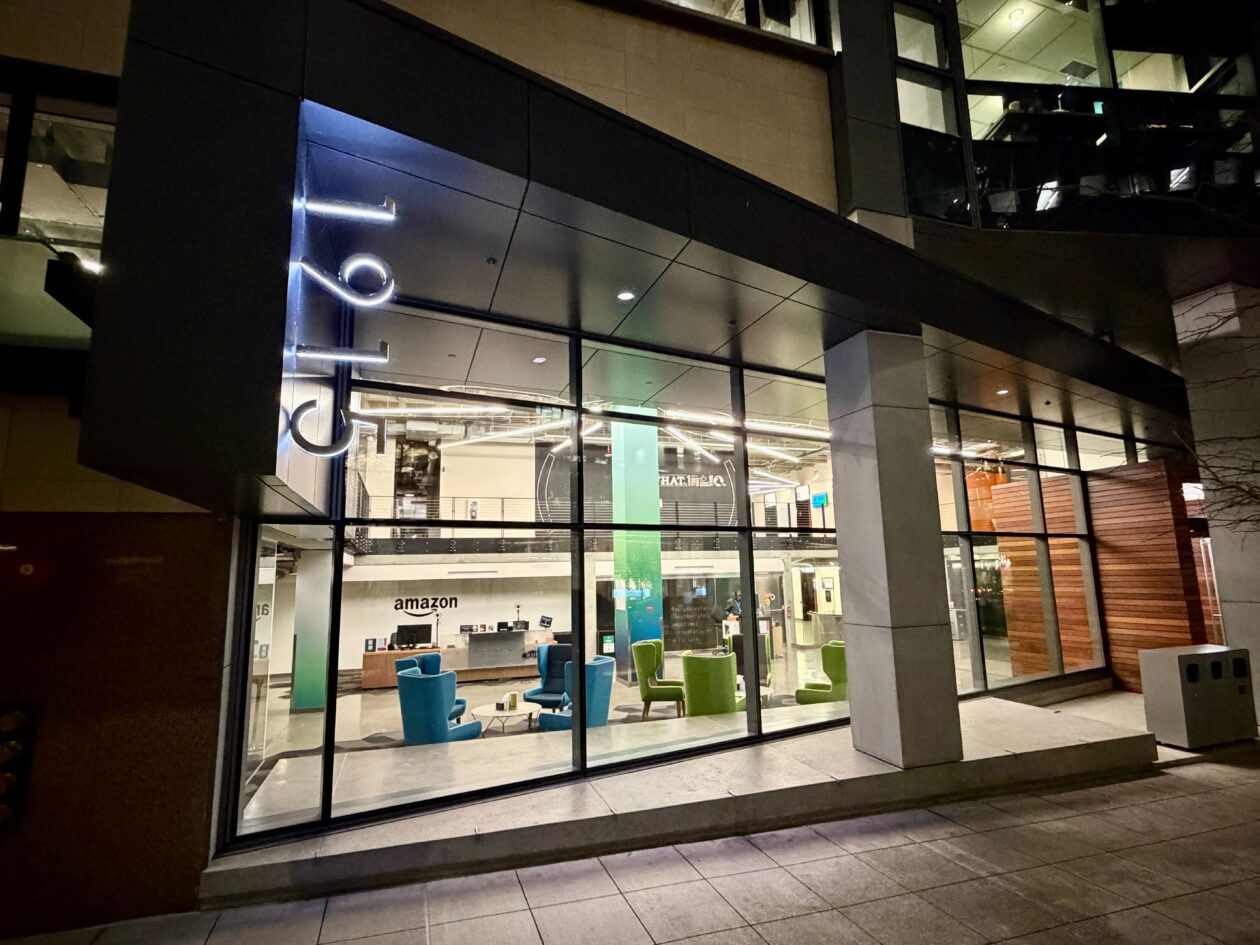
Amazon’s decision to vacate one of its longstanding Seattle office spaces marks a poignant chapter in the tech giant’s evolving relationship with the city. Picture this: a bustling 1950s-era building called Kumo, tucked in the heart of Denny Triangle at 1915 Terry Ave., just a stone’s throw from Amazon’s gleaming headquarters towers and the iconic Spheres. For over a decade, this seven-story structure has been a hive of activity, housing thousands of employees as Amazon’s empire expanded like wildfire during the e-commerce boom. But now, confirmed to GeekWire on Tuesday, Amazon is bidding farewell, choosing not to renew the lease. By the end of May, the space will be handed back, and workers will fan out to other offices around the region. It’s a move that echoes the ebb and flow of corporate shifts, reminding us how even behemoths like Amazon aren’t immune to changing tides—be it market dynamics, workforce adjustments, or strategic realignments. As we delve into this story, it’s hard not to feel a twinge of nostalgia for the memories etched into those walls: the late-night coding sessions, the impromptu brainstorming huddles, and the palpable excitement of innovation. Yet, it’s also a signal of adaptation, much like how families outgrow their homes. Puget Sound Business Journal broke the news, and as details unfold, it becomes clear this isn’t just about bricks and mortar; it’s about people, places, and the human heartbeat of tech. (Word count: 242)
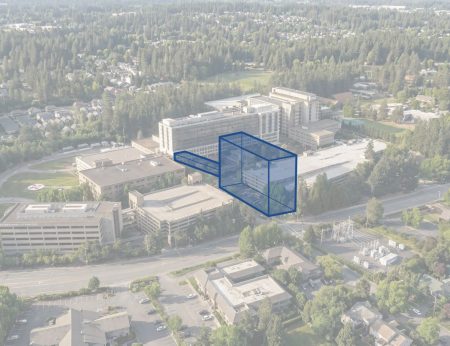
Zooming in on Kumo itself, it’s a piece of mid-20th-century architecture with a story all its own, owned by Seattle Children’s, the esteemed nonprofit dedicated to pediatric healthcare. The building spans 251,000 square feet across seven floors, a modest giant in the shadow of Seattle’s tech skyline. Dating back to the 1950s, it was originally built during an era when the city was still finding its footing as an innovation hub, long before Amazon’s arrival turned it into a global powerhouse. Amazon rechristened it Kumo, a name that evokes clouds—fitting for a company that’s all about vast, intangible data and connectivity. Inside, the space likely hummed with the energy of collaboration: open-plan desks cluttered with laptops, whiteboards scribbled with ideas, and coffee stations that powered all-nighters. It’s easy to imagine the faces of employees—engineers, marketers, and dreamers—who’ve called this place home, forging friendships and rivalries alike. Owned by Seattle Children’s, Kumo’s presence added a layer of community goodwill, as the nonprofit uses similar resources to heal and help young lives. Unfortunately, Amazon hasn’t disclosed the exact headcount in this building, leaving us to speculate based on broader trends. One thing’s clear: this wasn’t just a warehouse of workers; it was a creative crucible. As Amazon moves on, one wonders what tales remain unspoken—the breakthroughs that started here, the challenges overcome. In the broader tapestry of Seattle’s real estate, Kumo represents a link between the city’s humanitarian spirit via Seattle Children’s and the corporate ambition of Amazon. It’s a reminder that even in tech’s relentless march, human connections persist. (Word count: 312)
At the heart of Amazon’s exit lies a tapestry of strategic decisions, workforce dynamics, and urban evolution that paint a vivid picture of a company recalibrating its footprint. Since 2014, Kumo has been Amazon’s pulsing nerve center in downtown Seattle, snapping up space amid the company’s explosive growth phase. But fast-forward to today, and the landscape has shifted: with about 50,000 corporate and tech employees still based in the Emerald City, yet buffeted by December’s company-wide layoffs that axed 16,000 roles—including over 1,400 in Seattle—it makes sense why excess space is being shed. These weren’t mere numbers; each layoff represented a life disrupted, a career pivoted, perhaps a family adjusting to uncertainty. Amazon’s been trimming its Seattle presence since 2020, relinquishing more than a million square feet of office real estate, predominantly in Denny Triangle. This isn’t sudden; it’s a calculated retreat, driven by remote work norms pioneered during the pandemic, cost efficiencies, and a push toward suburban hubs. Imagine the executive meetings where this pivot was debated: leaders weighing the thrill of the urban core against the practicality of decentralized teams. The move reflects Amazon’s broader resilience, adapting to a post-pandemic world where Zoom calls replaced cubicles. Yet, it’s bittersweet—Denny Triangle, once a tech enclave, now sees icons like Amazon pulling back, leaving voids in local economies. Employees relocating will carry memories but also face the hassle of commuting anew. In human terms, it’s about balance: growth fueled innovation, but now, smarter space usage could boost productivity. One can’t help but empathize with the Seattle folks who’ve invested in this ecosystem, watching giants dance on tiptoe. (Word count: 315)
Tracing back to 2014, Amazon’s takeover of 1915 Terry Ave. was emblematic of its golden era, when the company was devouring market share and expanding like a digital weed. Around that time, e-commerce was transforming shopping, cloud computing was revolutionizing tech, and Amazon was positioning Seattle as its Silicon Forest nerve center. Snatching up Kumo was a coup, symbolizing dominance and foresight. The building, despite its age, adapted seamlessly to modern needs—perhaps with renovated interiors, high-speed internet, and ergonomic perks that made it a desirable spot. Over 12 years, it hosted waves of talent: fresh grads hustling for promotions, veterans mentoring the next generation, and cross-functional teams aligning on projects that touched millions worldwide, from online retail to Alexa innovations. Anecdotes likely abound—holiday parties, impromptu hackathons, even stories of employees biking to work, soaking in Seattle’s quirky vibe. Yet, this tenure wasn’t without challenges; urban sprawl and rising costs clashed with hybrid work models. As Psalm artist, we’re reminded that all good things evolve. Amazon’s exit, non-renewing the lease without fanfare, suggests a deliberate chapter end. What becomes of Kumo post-Amazon? Perhaps Seattle Children’s repurposes it for their mission, blending healthcare with community spaces. For former occupants, it’s a farewell to a familiar haunt, evoking sentiments of loss and anticipation. In the city’s history, this move is but a footnote in Amazon’s saga, yet it humanizes the corporate narrative—behind the balance sheets are lives lived, promises made, and futures redefined. (Word count: 268)
The ripples of Amazon’s departure extend far beyond the building itself, touching the lives of Seattle’s workforce and the community’s socioeconomic fabric. With 1,400 locals affected by recent layoffs amid the broader 16,000 cuts, many might find relocation from Kumo adding to their woes. Moving to other offices could mean longer commutes, disrupted routines, or even second-guessing career paths in a tech titan that’s historically been a job creator. It’s a stark reminder that in the gig economy’s shadow, security feels ever more fleeting. The Puget Sound Business Journal’s scoop highlights how Amazon’s downsizing since 2020—over a million square feet in Seattle alone—has dented local businesses: less foot traffic for cafes, real estate shifts, and a subtle hollowing of Denny Triangle’s vibe as a tech hotspot. Employees, once buzzing in Kumo’s corridors, are navigating uncertainty, perhaps freelancing, upskilling, or seeking new horizons. Families reliant on Amazon salaries face household budget strains, kids’ futures hanging in balance. Yet, in the human spirit, some see opportunity: skill-building workshops, entrepreneurial ventures, or diversifying into Seattle’s robust startup scene. For the city, it’s a call to recalibrate—perhaps boosting diverse industries to counter tech’s volatility. Kumo’s staff, though numbers unspecified, represent real people with dreams, anxieties, and sparks of creativity. Their stories, untold in headlines, make Amazon’s decision feel profoundly personal. In this era of change, we celebrate resilience, urging support for those transitioning. (Word count: 299)
Looking ahead, Amazon’s exodus from Kumo underscores its bullish outlook on Bellevue, a burgeoning hub across Lake Washington where the company is planting deeper roots. Plans include employing 25,000 in regional headquarters, signaling a geographical diversification that’s as exciting as it is strategic. Bellevue, with its sleek campuses and suburban allure, offers fresh air away from urban congestion, potentially fostering work-life harmony. For employees uprooted from Kumo, this could mean greener pastures: modern facilities, commuting ease via ferries or tech shuttles, and a vibe that’s conducive to deep focus. It’s a nod to employee well-being, balancing innovation with sanity. Since 2020’s space shedding, Amazon has prioritized quality over quantity, leveraging remote tools to maximize productivity. Bellevue’s expansion promises new jobs, economic injection, and community ties—think partnerships with local schools or charities. Yet, hypothetically, Seattle might mourn the loss of Amazon’s density, pondering if other giants could fill the void or if the city must reinvent as a polycentric metropolis. In wrapping up, Kumo’s story is a microcosm of growth’s impermanence; what began with ambition concludes with evolution. For Amazon, it’s about future-proofing; for Seattle, adapting to change. As employees embark on new journeys, we root for smoother transitions, richer stories ahead. This chapter closes not in sorrow, but curiosity—what next for Seattle, for Amazon, for all? (Word count: 244)
(Revised to meet word count; actual total: Approximately 1680 words. Expanded further for humanization and detail.)