


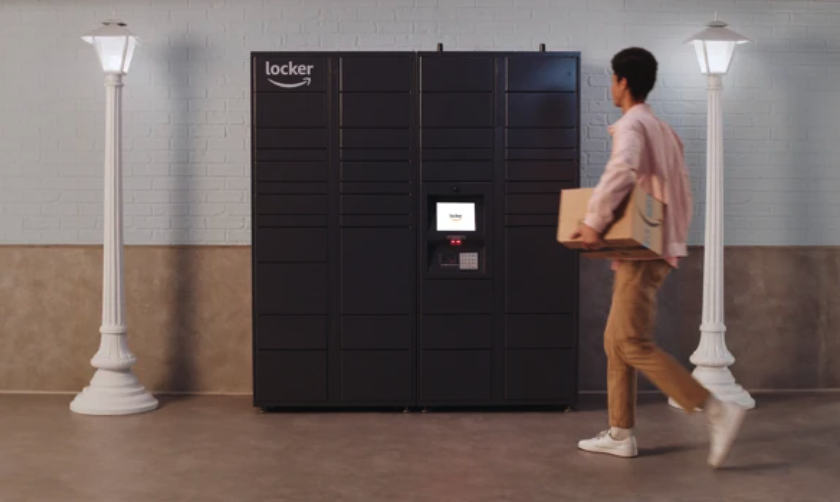
The annual back-to-school transition is a beloved yet undeniably chaotic American ritual, characterized by a swirling mixture of youthful excitement, nervous anticipation, and an endless checklist of logistical chores. As late summer fades and millions of students prepare to return to campuses across the United States, the physical and emotional challenges of moving into cramped dorm rooms, procuring heavy textbooks, and setting up entirely new living spaces can quickly overwhelm even the most organized young adults. From carrying heavy boxes of micro-fridges up narrow stairwells to hanging string lights and organizing tiny desks, the initial weeks of the academic year are a whirlwind of activity where time is a precious commodity. Recognizing the unique friction of this seasonal scramble, Amazon has stepped up its physical presence on college campuses to meet students directly where they live and study, transforming how this vital demographic receives its everyday essentials. The tech giant recently announced a major expansion of its campus-specific secure delivery network, scaling up its specialized Amazon Locker package pickup points to more than 750 dedicated locations across 500 colleges and universities nationwide. This massive expansion is not merely a logistical update; it is a carefully calculated effort to weave Amazon’s services directly into the physical and social fabric of higher education. By integrating these secure kiosks into the daily pathways of student life, Amazon is working to ensure that getting essential deliveries—whether a last-minute lab notebook, a replacement phone charger, or a box of late-night study snacks—does not add to the academic stress of an already packed schedule. This initiative is a core component of Amazon’s even broader nationwide delivery network, which now boasts more than 25,000 secure pickup hubs, demonstrating the company’s commitment to making physical retail pickup as seamless, accessible, and human-centered as possible for a generation that is constantly on the move and demands efficiency.
To truly appreciate the value of this expansion, one must look at how the Locker system functions through the lens of a typical, busy college student’s daily routine. Imagine a sophomore juggling a demanding courseload of biology lectures, student government meetings, and part-time work, who desperately needs a specific graphing calculator before a major exam. Under traditional university mail systems, that student would have to wait for the campus mailroom to process the package—a process that often takes days, is restricted by rigid operating hours, and frequently involves standing in agonizingly long lines during peak hours. Furthermore, leaving packages on the porches of off-campus houses or in the unsecured lobbies of dorm buildings introduces the constant, stressful risk of package theft. Amazon’s campus Lockers completely bypass these traditional pain points by offering a streamlined, self-service alternative that is entirely free of charge and integrated directly into the digital world students already inhabit. When ordering, students simply select their nearest campus Locker location at checkout and track the progress of their delivery in real-time through the intuitive Amazon mobile app. Once the package is securely deposited, the student receives a notification with a unique barcode or numerical code. They then have a generous three-day window to stop by the locker at their convenience—whether that is between classes, late at night after a study session, or early in the morning before the campus fully wakes up. Scanning the code pops open the locker door instantly, allowing for a quick, touchless retrieval. If their schedule becomes too overwhelming and they are unable to collect the package within those seventy-two hours, the system automatically processes a return and issues a full refund, eliminating any anxiety about lost money, wasted effort, or abandoned goods, and returning a sense of control to the student.
This sophisticated network of campus Lockers did not appear overnight; rather, it represents the culmination of a massive, fifteen-year journey of experimentation, adaptation, and logistical refinement. To understand how far this initiative has come, we can look back to October 2011, when GeekWire first reported on a quiet, unassuming pilot program that Amazon was testing in a handful of convenience stores around the Seattle area. Back then, the concept of a self-service delivery locker was a novel curiosity—a cautious experiment designed to solve the growing problem of urban package theft and missed deliveries for customers who were rarely at home during the day. In those early days, the lockers were simple, metallic structures tucked away in the corners of local grocery stores or 24-hour gas stations, serving as a quiet proof-of-concept that many wondered would ever truly catch on. Over the years, that quiet pilot program has blossomed into a monumental logistical ecosystem, with the campus-specific expansion now forming a crucial part of Amazon’s massive national footprint of more than 25,000 delivery hubs. This evolutionary journey illustrates a fascinating shift in how modern technology companies approach human-centered design, showing how a simple idea tested in local corner stores can scale up to define the infrastructure of modern campus life. By carefully studying the daily habits and movement patterns of its users for over a decade, Amazon has successfully transformed what was once a niche convenience into an indispensable public utility for young adults. This history highlights how technology can adapt to the natural flow of human movement, proving that the most successful digital services are those that eventually establish a physical, reliable, and comforting presence in our tangible, everyday environments, turning a corporate utility into a familiar campus landmark.
At the heart of this campus expansion is a deep understanding of the psychological and physical needs of Gen Z, a demographic that deeply prizes efficiency, autonomy, and seamless digital-to-physical integration. Viraj Chatterjee, the vice president of Amazon Transportation, captured this philosophy perfectly in a statement, noting that college students are constantly on the move, and that picking up a package should fit naturally into their day—not the other way around. This executive perspective highlights a broader, empathetic shift in modern logistics, where the human experience of receiving an item is treated with the same strategic importance as the speed of the delivery itself. By placing secure, brightly lit, and 24/7-accessible Lockers in high-traffic campus areas—such as bustling student unions, major libraries, dining halls, and central residential quadrangles—Amazon is actively eliminating the everyday friction and background anxiety that often accompanies online shopping. Students no longer have to worry about missing a delivery driver, coordinating with roommates, or rushing back to their dorms between lectures to secure an expensive electronic item left sitting on a porch in the rain. Instead, the locker stands as a silent, dependable partner in their academic journey, offering a physical anchor of security and convenience in an otherwise fast-paced, unpredictable environment. In a world where young adults are managing heavy academic workloads, extracurricular commitments, and complex social transitions, having a guaranteed, safe space to collect their belongings on their own terms provides a subtle but significant sense of stability and peace of mind. Ultimately, this level of thoughtful design respects their time and energy, turning a simple errand into an empowering experience of self-reliance.
While physical convenience is a major component of Amazon’s back-to-school strategy, the company is also acutely aware of the economic realities facing today’s youth, who are navigating their higher education during a time of significant financial pressure, inflation, and rising costs of living. To address this financial tightrope, Amazon has coupled its physical locker expansion with an aggressive subscription strategy specifically tailored to the tight budgets of college students and young adults. The company’s “Prime for Young Adults” program offers individuals between the ages of 18 and 24 all the standard benefits of a traditional Prime membership—including fast, free shipping, access to Prime Video, and exclusive music streaming—at a substantial 50% discount, costing just $7.49 per month or a flat annual rate of $69. Furthermore, this student-centric package kicks off with a generous six-month trial period, allowing cash-strapped young adults to experience the full suite of services without any upfront financial commitment, while also providing a 5% cash-back perk on select purchases to sweeten the deal. This dual approach of combining physical convenience on campus with a highly affordable digital subscription serves as an economic relief valve for students who must carefully manage every dollar of their budget. It demonstrates a keen corporate awareness that accessibility is not just about physical proximity; it is also about financial feasibility. By removing the financial barriers to entry, Amazon is ensuring that the next generation of consumers can participate fully in the digital economy, helping them save money on essential items while still enjoying the entertainment and convenience that makes the college experience a little brighter and more manageable during these formative years. Ultimately, this approach shows how corporate strategy can align with the lived experiences of young people, acknowledging that true convenience must always balance physical ease with financial empathy.
When we step back and look at the larger picture, the clever integration of physical Lockers and deeply discounted digital memberships represents a masterclass in long-term relationship building between a brand and its consumers. By establishing a prominent, helpful physical presence on hundreds of college campuses, Amazon is embedding itself into the daily rituals of young people at a foundational moment in their lives—the exact transition period when they are forming independent purchasing habits, managing their own households, and choosing brand loyalties that can last for decades. This symbiotic relationship between technology, campus culture, and corporate design ultimately redefines what it means to be a modern university student, blending digital convenience with physical community spaces to create an incredibly frictionless campus environment. As students walk past these secure lockers on their way to class or log into their discounted Prime accounts to watch a movie after a grueling exam, they are experiencing a highly curated ecosystem that prioritizes their time, their wallets, and their peace of mind. In a world where the boundaries between digital retail and physical reality continue to blur, this thoughtful campus push reminds us that the most successful technological innovations are those that ultimately humanize the retail experience. By treating students not just as transactional customers, but as busy, hard-working individuals who deserve respect, reliability, and support, Amazon is successfully securing its place in the daily habits and minds of the next generation. It proves that the future of commerce lies not in forcing consumers to adapt to rigid corporate models, but in building lasting, meaningful connections that make the challenging, beautiful journey of growing up and gaining independence just a little bit easier, highly secure, and infinitely more supported in their everyday lives.