


The soaring demand for artificial intelligence has triggered a profound environmental paradox at Amazon, revealing a sharp conflict between our digital future and the physical limitations of our planet. According to its latest comprehensive sustainability report, the retail and cloud computing giant saw its carbon footprint surge by a staggering 16% in just one year, emitting nearly 80.9 million metric tons of carbon dioxide equivalent. To put this monumental volume into perspective, the carbon output of this single corporate entity now eclipses the annual national emissions of entire countries like New Zealand. Compounding this challenge, Amazon reported a rise in its “carbon intensity”—the ratio of greenhouse gases emitted relative to every dollar earned—for the first time since 2019. For years, the company pointed to a declining carbon intensity metric as proof that it could successfully decouple its exponential financial growth from environmental degradation; however, the recent spike undercuts that narrative, illustrating that the physical infrastructures required to run modern AI are expanding faster than the clean energy grids built to support them.
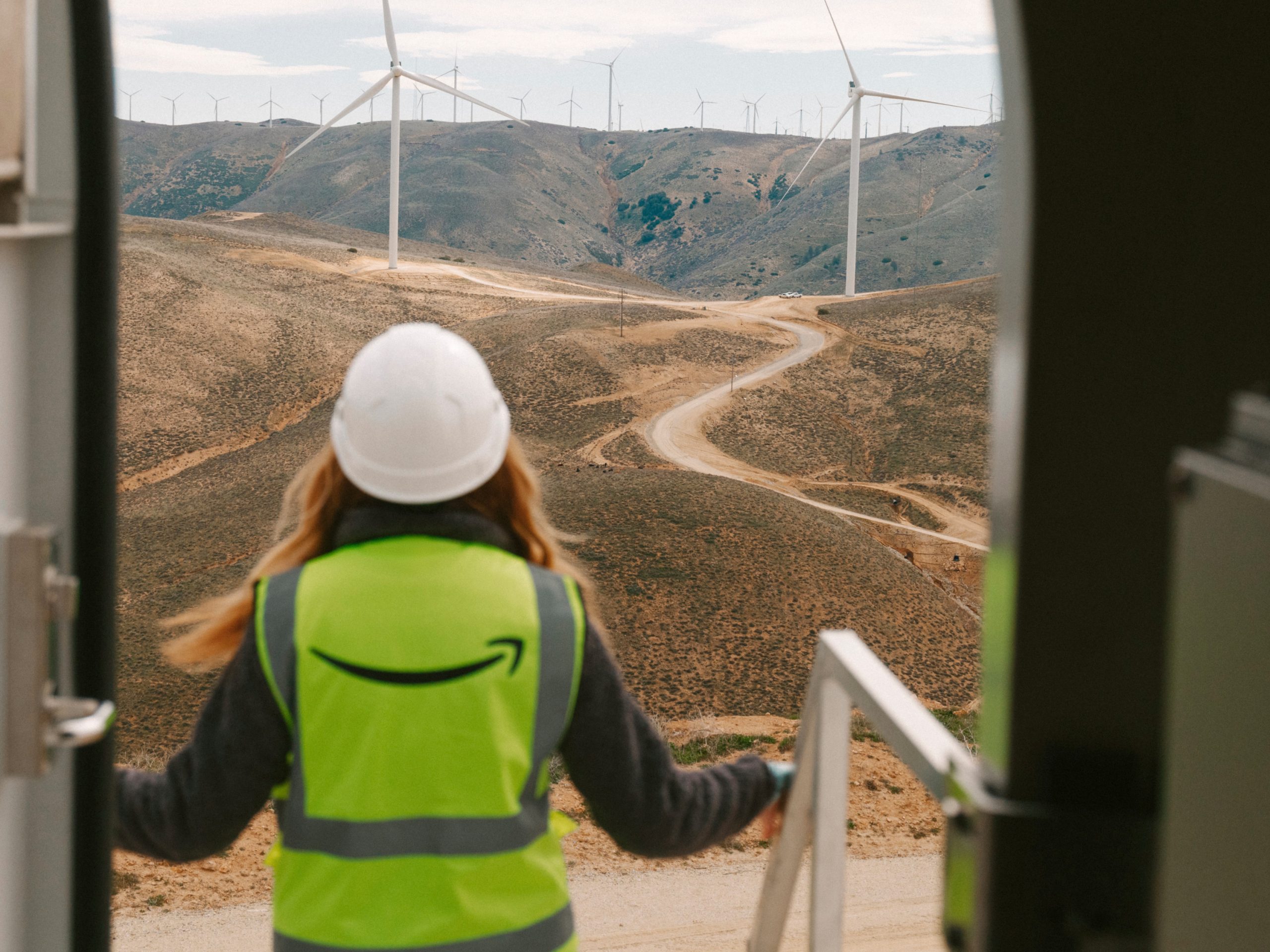
Despite these sobering figures, the leadership at Amazon’s Seattle headquarters remains publicly resolute in its ambitious commitment to reach net-zero carbon operations by 2040. Kara Hurst, Amazon’s Chief Sustainability Officer, expressed enduring confidence and long-term optimism about the company’s trajectory, emphasizing that systemic changes take time to bear fruit. The company’s detailed disclosure highlights several genuine engineering triumphs, notably within its data center designs, which operate 9% more efficiently than the public cloud average and 30% more efficiently than traditional, on-premises corporate data centers. Additionally, by utilizing advanced evaporative air-cooling systems for the vast majority of the year, Amazon’s data centers boast a water-use efficiency that is seven times better than the industry average, driving progress toward its goal of becoming “water positive” by returning more water to local communities than it consumes. The company also celebrated matching its global electricity consumption with 100% purchased renewable energy for the third consecutive year, alongside expanding its delivery fleet to over 52,700 electric vehicles globally—marking the halfway point toward its target of deploying 100,000 EVs by 2030.
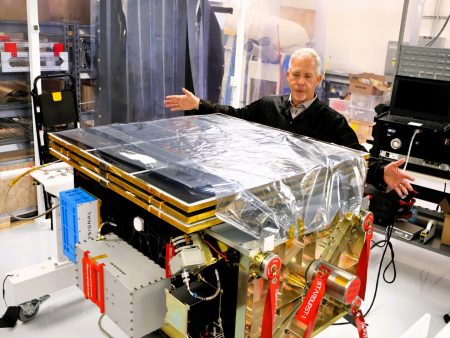
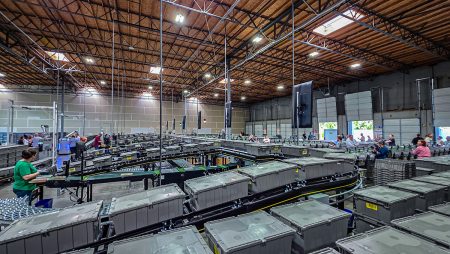
Yet, these clean energy victories are increasingly overshadowed by the colossal, resource-heavy reality of the artificial intelligence gold rush. The primary catalyst behind the emissions spike is the rapid buildout of massive data center complexes, which require immense amounts of round-the-clock electricity and steel-and-concrete infrastructure. Amazon’s Chief Executive Officer, Andy Jassy, announced that the company plans to inject a historic $200 billion into capital expenditures, heavily prioritizing the chips, robotics, high-density server architectures, and low-Earth orbit satellites necessary to cement its dominance in generative AI. Although Amazon technically offsets its carbon footprint by purchasing massive volumes of Environmental Attribute Credits and investing heavily in wind and solar projects, its data centers still depend on local municipal power grids that remain wedded to coal and natural gas. This creates a stark division between the theoretical 100% clean energy match praised in sustainability reports and the actual fossil-fuel-burning reality of the physical power grids keeping the servers humming.
This environmental divergence has led to growing friction within the company itself, sparking organized pushback from Amazon’s own workforce. A prominent internal advocacy group, Amazon Employees for Climate Justice, has openly criticized the company’s “warp-speed approach” to AI development, warning that ecological safety is being sacrificed in the race for technological supremacy. An open letter condemning this aggressive trajectory has garnered more than 1,000 employee signatures, and representatives from the group recently testified before the Seattle City Council to demand stricter renewable energy mandates and labor protections for data centers. The employee group has also accused Amazon of exercising its immense corporate influence to pressure prestigious international standards bodies, such as the Greenhouse Gas Protocol and the Science-Based Targets Initiative, to weaken carbon accounting rules. By lobbying for more lenient guidelines on how corporations report market-based emissions, employees argue that Amazon is trying to change the scorekeeping rules rather than actually reducing the physical pollution rising from its operations.
Even as it struggles to manage its internal carbon balance, Amazon continues to leverage its global influence to rally other major corporations under the banner of collective climate action. The Amazon-founded Climate Pledge—an initiative requiring signatories to target net-zero carbon emissions by 2040, a decade ahead of the Paris Agreement’s target—expanded significantly by adding 107 new companies, bringing its total membership to 656 organizations worldwide. This surge in collective commitment is particularly notable at a time when many global corporations are practicing “greenhushing”—quietly retreating from public ecological initiatives or reducing their environmental transparency due to economic pressures and fear of public scrutiny. By remaining transparent about its own setbacks while simultaneously convincing hundreds of peer companies to uphold strict climate goals, Amazon positions itself as an indispensable system-level leader, attempting to steer global commerce toward sustainability even as its own operational footprint temporarily expands.
Ultimately, Amazon’s environmental report serves as a case study for the profound dilemma facing the entire modern tech sector. As Kara Hurst acknowledged, cutting-edge artificial intelligence could either provide the breakthroughs needed to model climate solutions and optimize clean energy grids, or it could dangerously accelerate global warming through its sheer electrical demand. Yet, as Hurst posed to critics in her annual foreword, the industry believes there is no viable alternative but to aggressively invest, learn, and push ahead to solve these intertwined crises. The coming decade will determine whether Amazon’s massive financial investments in renewable energy, circular economy packaging, and structural efficiencies can outpace the explosive energy demands of the digital revolution, or if the digital cloud will continue to cast a rising shadow over the physical earth.