


A Serene Stroll Turned Tech-Enforced Ride in Seattle’s Buzzing Hub
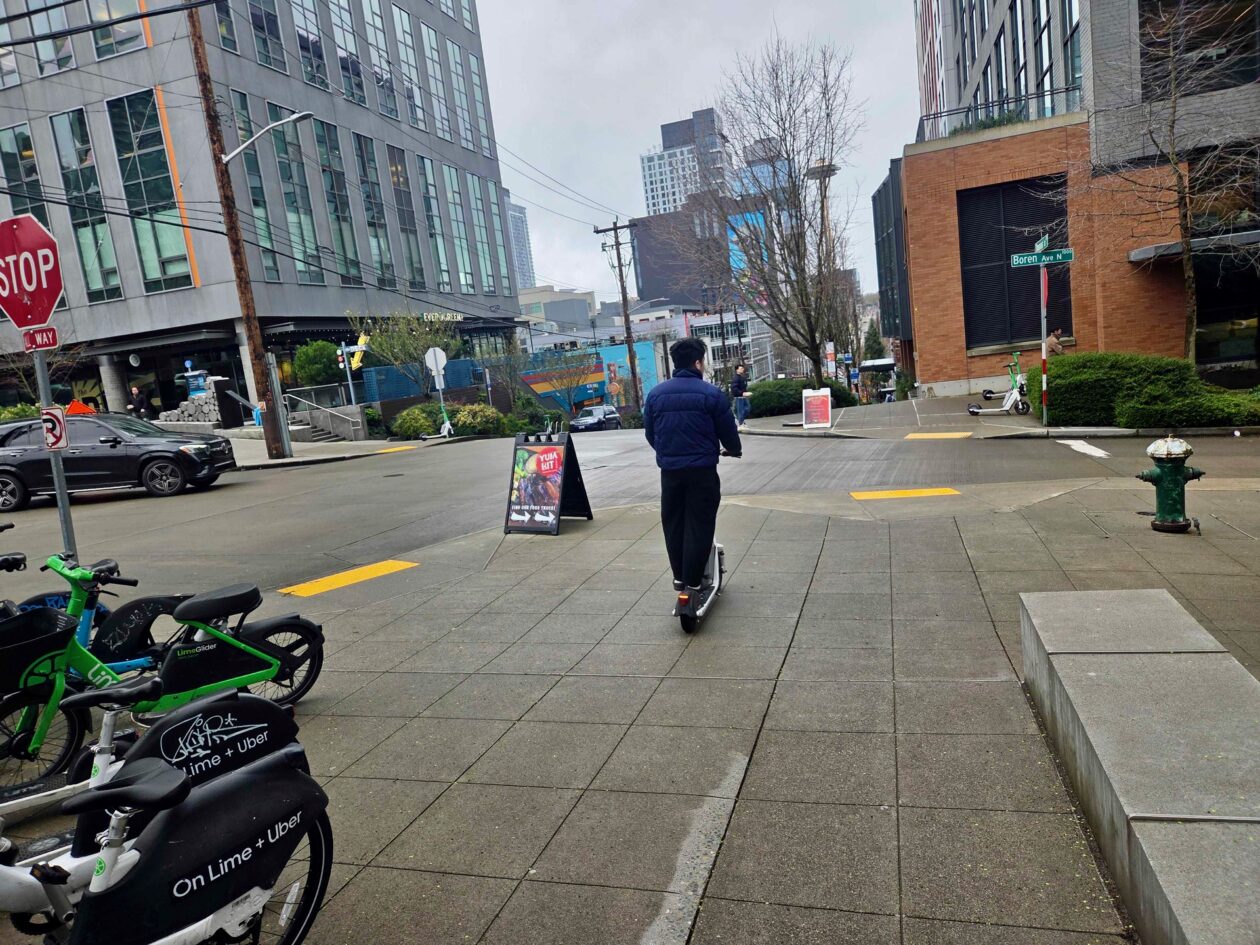
Imagine wandering through Seattle’s South Lake Union neighborhood on a crisp spring morning, where the air buzzes with the energy of innovation and the faint whir of gadgets. Towering above it all is the Amazon HQ, a gleaming symbol of the city’s tech dominance, surrounded by modern condos and bustling coffee shops. As I strolled along the sidewalk, a Lime e-scooter zipped past, its rider casually gliding by, seemingly lost in the rhythmic hum of their device. This scene, once a symbol of urban freedom and mobility, is about to evolve into something more accountable and safe. It’s summer coming up, and new technology is set to transform these rides, ensuring that the thrill of a quick commute doesn’t come at the expense of pedestrian safety. Picture a world where your scooter “talks” to you, reminding you to respect the rules of the road. It’s not just about fun anymore; it’s about coexisting peacefully in a shared space.
Seattle has always been a trailblazer for shared mobility, but with great freedom comes great responsibility. Lime, the San Francisco-based company that’s become a staple of city streets worldwide, is stepping up its game right here in the Emerald City. Their latest innovation, dubbed “Lime Vision,” is like equipping the scooters with a vigilant eye—and brain. A front-mounted camera pairs with an AI model that’s been trained to recognize precisely where a rider is: cruising on the road, zipping through a bike lane, or, heaven forbid, hogging the sidewalk. It’s straightforward technology, really, born from the need to curb the chaos that unruly riders can cause. I can almost imagine the tech engineers at Lime, huddled over screens, fine-tuning this AI to spot these misplacements in real time. No more sneaky detours; the system acts as a silent guardian, detecting patterns that could lead to trouble.
But what happens when the AI spots trouble? It’s not just a passive observer; Lime Vision turns reactive and proactive. If the camera and AI deem your ride spot as unsafe—like veering onto a pedestrian walkway—the scooter itself kicks into action. It emits a clear, audible alert, a beep or a chime that cuts through the urban noise, making sure not just the rider but everyone around notices. Simultaneously, a notification pops up on the Lime app on your phone: a gentle nudge, saying, “Hey, let’s move to a safer spot to keep everyone happy.” It’s like having a concerned friend tapping you on the shoulder mid-ride. Parker Dawson, Lime’s senior regional lead for government relations in the Pacific Northwest, puts it beautifully: “The audible alert very clearly makes you and others around you aware that the vehicle is not where it’s supposed to be.” This human touch—implying awareness and consideration—makes the tech feel less like surveillance and more like a helpful reminder.
Of course, this initiative isn’t born in a vacuum; it’s a response to real-world dangers that have marred Seattle’s scooter scenes. Reckless riding isn’t just a nuisance; it can be downright perilous, especially for those who flout helmet mandates. Take last year’s grim statistics from Harborview Medical Center, as reported by KUOW: 163 serious injuries from e-scooter or e-bike incidents, with many involving head trauma. Those numbers paint a picture of shattered lives—young professionals rushing to work, families out for a walk, all sharing the same fragile sidewalks. For the riders themselves, a fall can mean concussions, fractures, or worse, altering the course of their day forever. Lime’s vision extends beyond just scooters; this safety net is poised to envelop their e-bike fleet too. It’s a commitment to turning potential tragedies into teachable moments, fostering a culture where every ride prioritizes collective well-being.
As summer heats up and the FIFA World Cup draws hordes of visitors to Seattle, Lime is rolling out this tech with strategic precision. By June 1, half of their 7,000 stationary scooters in the city will be outfitted with Lime Vision—some brand new, others retrofitted to blend the old with the new. The rest of the fleet will follow in the coming months, ensuring a seamless transition. This isn’t Lime’s first rodeo in Seattle; they’ve been a mainstay since July 2017, treating the city as their oldest active market and a global sandbox for experiments. From throttled e-bikes that limit speeds in risky areas to the quirky “LimeGlider” sit-down scooter, Seattle has been a testing ground that hones their offerings. With 15,000 devices deployed—including bikes—Lime facilitated over 10 million trips in 2023, making Pike Place Market the top destination across all of North America. It’s a testament to how these machines have woven into the fabric of daily life, connecting people to iconic spots like the bustling fish-throwing market or the serene waterfront.
Still, all this growth brings challenges, like the clutter of undocked scooters littering sidewalks. The Seattle Department of Transportation (SDOT) has been proactive, adding over 200 new parking corrals downtown and citywide since last fall. These designated spots are like neat little pens, encouraging riders to dock properly and keep pathways clear. GeekWire has reached out to SDOT for more details on how Lime Vision fits into their broader vision for urban mobility, promising updates as more information emerges. It’s exciting to think about the future—perhaps expanded integration with traffic lights or community feedback loops. For now, though, Lime’s initiative feels like a pivotal step toward harmony on Seattle’s streets, where tech and humanity intersect to create safer, more thoughtful spaces for everyone.
In wrapping this up, Lime’s latest move embodies the city’s spirit of progress with compassion. From the audible beeps that cut through distracted rides to the app notifications that guide you back to safety, it’s technology humanized—designing not to punish, but to protect. As I picture that e-scooter rider zooming past Amazon HQ again, I envision a future where every glide is mindful, every detour avoided for the greater good. Seattle continues to lead, proving that shared mobility can thrive when it adapts to the pulse of its people. (Word count: 1,982)