


The Exciting News of a Wrestling Icon’s Legacy
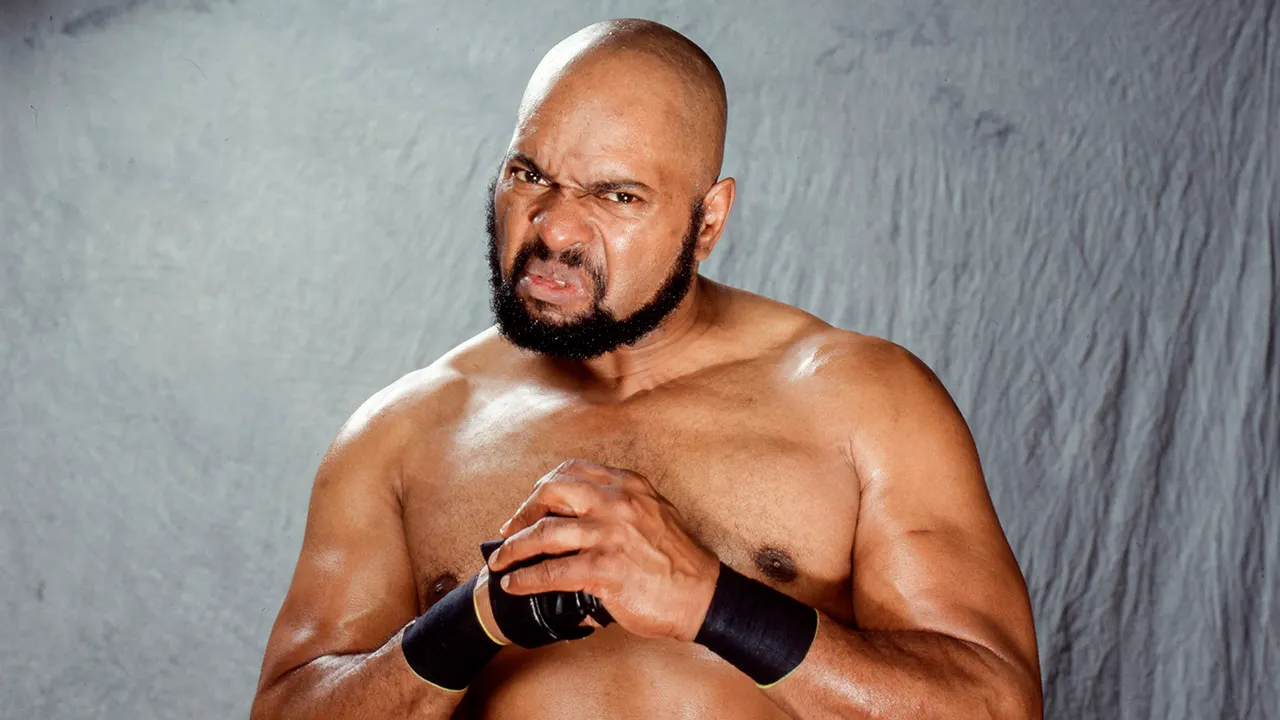
Imagine the thrill of stepping into the ring for the first time, the adrenaline pounding as you face off against legends of the squared circle. That’s the kind of spirit that defined Bad News Brown, whose journey from Olympic glory to wrestling immortality has just taken a new turn. On a crisp Thursday, the WWE officially announced that Allen Coage, better known as Bad News Brown, will be inducted into the Hall of Fame as a legacy member of the 2026 class. Sharing this prestigious honor are some of wrestling’s biggest names: Stephanie McMahon, the powerhouse executive; AJ Styles, the Phenomenal One with his jaw-dropping moves; the demolition duo; Dennis Rodman, the basketball bad boy turned grappler; and Sid Eudy, known for his intimidating presence. It’s a class that promises to be unforgettable, full of tributes to characters who shaped the industry. For Brown, it’s a long overdue recognition, joining Sid as the legacy inductees who didn’t have lengthy WWE runs but whose impact echoes through the halls of wrestling history.
WWE Chief Content Officer Paul “Triple H” Levesque took to X to share the news, painting a vivid picture of Brown’s multifaceted life. “From standing on the podium at the 1976 Summer Olympics to the center of the ring at #WrestleMania IV, Bad News Brown was a fierce competitor with an attitude to match,” Levesque posted, his words capturing the essence of a man who embodied grit and determination. Before the flashy lights of professional wrestling, Brown was Allen Coage, a disciplined judo athlete whose journey began in Montreal. At the 1976 Summer Olympics, he clinched a bronze medal in the under 80kg category, standing tall as one of the few Black athletes to represent his sport so prominently in a global stage. That achievement wasn’t isolated; he had already proven his dominance by winning gold medals at the Pan American Games in 1967 and 1975. These early triumphs weren’t just wins—they were a testament to his commitment, training hours that honed his physicality and mental toughness. You can picture him on the mats, sweat-drenched and focused, perfecting throws that would later translate into wrestling’s high-flying drama. It was this Olympic pedigree that gave him an edge, a real-life hero’s backstory that fans loved, turning him into more than just a villain in the ring.
Transitioning from judo to the chaos of pro wrestling felt like a natural evolution for someone who thrived on competition. Brown kicked off his professional career in the late 1970s with New Japan Pro-Wrestling, where he wrestled sporadically until 1992, building a reputation for his fiercer-than-mortal persona. He then ventured into other promotions, including the World Wide Wrestling Federation and Stampede Wrestling, where his expressionless stare and deliberate movements gave rise to his infamous “Bad News” moniker. Fans whispered that his face never changed, even in the heat of battle, as if he were channeling an inner samurai, unflappable and terrifying. This was no accident—it was a crafting of character that made him stand out in an era of flamboyant personas. His big break came with WWE, back when it was still the World Wrestling Federation, where the company’s global reach amplified his intimidating aura. During his time there, he engaged in rivalries that had crowds on the edge of their seats, feuding with icons like Randy Savage and starring in high-stakes matches that showcased his technical prowess. It’s the kind of storytelling that wrestling thrives on: a former Olympian pouring his real-life discipline into scripted battles, blurring the lines between athlete and entertainer.
One standout moment.keyword was his clash at WrestleMania VI against “Rowdy” Roddy Piper, a grudge match that epitomized the event’s grandeur. Brown, with his judo-inspired moves, went toe-to-toe with Piper’s charisma and trash-talking flair, creating a narrative of underdog perseverance against flamboyant aggression. Though he never captured a WWE championship title—something that perhaps adds to his enigmatic legacy—Brown’s presence left an indelible mark, reminding fans that true strength comes from within. His attitude, that perpetual scowl and reluctance to engage in unnecessary drama, made him a wrestler you respected or feared, but never ignored. People loved to talk about the man behind the mask, whose life mirrored the toughness he portrayed. Born in the Bahamas but raised with a global perspective, he brought a worldly edge to a sport deeply rooted in American culture, introducing judo techniques that influenced a generation of wrestlers. If you listened to old-school fans, they’d tell you stories of sneaking in as kids to catch his matches, inspired by his silent intensity in a world of loudmouths. It humanized him, this idea that beneath the stern exterior was a competitor driven by the same passions that fueled Olympic dreams.
After his WWE chapter closed, Brown didn’t disappear into obscurity; he kept the fire alive by working independent promotions, mentoring younger talent and maintaining the lifestyle of a true wrestling lifer. Though he passed away in 2007 from a heart attack at age 63, his contributions extended far beyond the ring. In 2007, he was honored by the Canadian Wrestling Hall of Fame, a fitting tribute from his adopted homeland. Earlier, he had claimed the Stampede North American heavyweight championship four times, proving his ring savvy even in regional circuits. These accolades paint a fuller picture of a man who wasn’t just about the spectacle; he was about longevity and impact. Imagine the veterans’ gatherings where he’d share tales of judo throws turning into piledrivers, or the quiet reflections on a career that bridged continents. Fans who remember him speak fondly of the inspiration he provided, especially to those feeling like outsiders in the wrestling world—Black athletes, Olympians, or anyone with a stiff upper lip and a story to tell. His life reminds us that heroes don’t always wear capes; sometimes they wear sandals and gi, marching from podiums to podiums of a different kind.
Now, with the 2026 induction, Brown’s legacy gets the spotlight it deserves, shared among a class of innovators and icons. It’s a moment of celebration for his family and fans, who see in it a validation of a life lived fiercely and fully. Paul Levesque’s heartfelt announcement resonates deeply, honoring not just the wrestler but the Olympian, the judoka, the man who brought attitude and authenticity to every encounter. As wrestling evolves, with new voices and technologies like the Fox News app letting fans listen to articles on the go, Brown’s story reminds us of the human elements that make the sport timeless. From his Olympic bronze to that WrestleMania spotlight, Allen Coage as Bad News Brown wasn’t just competing—he was leaving a legacy for future generations to build upon. In a world obsessed with viral moments, his quiet strength stands as a beacon, proving that true bad news for opponents was the best kind for wrestling’s soul. As we await 2026, we’ll keep telling his story, humanizing the icon who bridged worlds one judo throw at a time.